
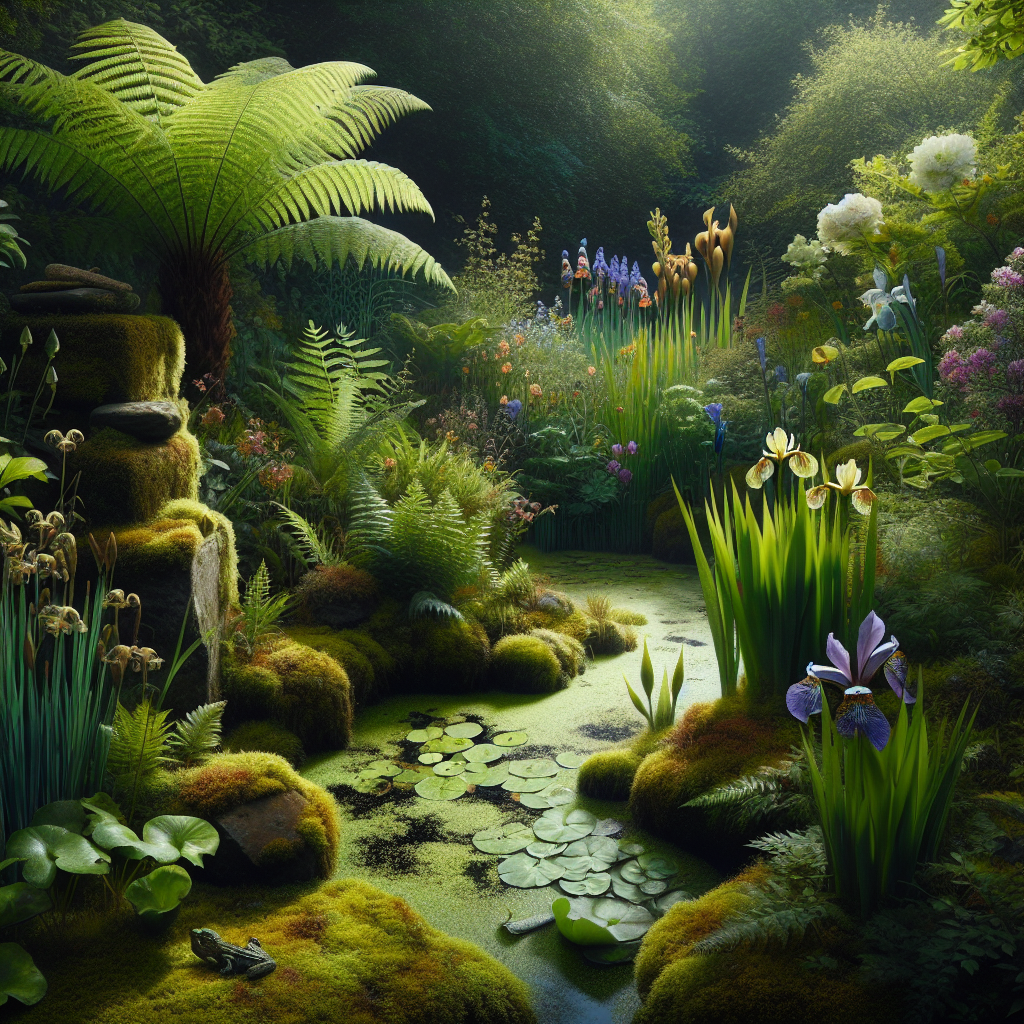
A Deep Dive into Bog Garden Plants for Shade: Creating Lush, Tranquil Retreats
Introduction
Turning a shaded area of your garden into a bog garden may seem like an unusual venture, but it can transform those often-overlooked sections into stunning, lush retreats. Sagging into the earth, a bog garden not only helps to manage water runoff but also nurtures a diverse array of plants that thrive in moist conditions. In this article, we’ll address all your questions about bog gardens specifically designed for shaded environments, explore suitable plant varieties, and provide tips for creating and maintaining a serene, green oasis.
What Is a Bog Garden?
A bog garden is a specific type of wetland garden that incorporates plants that thrive in consistently moist, acidic conditions. These gardens are often filled with water-loving plants, but they can also accommodate a range of flora that can tolerate varying levels of moisture.
Benefits of a Bog Garden
- Water Retention: A well-designed bog can help to manage excess water in your landscape, absorbing runoff from rain and preventing erosion.
- Habitat: Bog gardens provide critical habitats for wildlife, especially amphibians such as frogs and toads, as well as beneficial insects.
- Visual Appeal: With their unique plant selections and vibrant foliage, bog gardens can offer stunning visual dimensions to shaded areas of your yard.
- Reduced Maintenance: Once established, many bog garden plants require little care compared to conventional garden plants.
Understanding the Conditions
What Conditions Are Ideal for a Bog Garden?
Bog gardens thrive in areas with:
- Consistently Moist Soil: This is crucial for the health of bog plants. Soils should be kept consistently damp but not waterlogged.
- Acidic pH: The optimal pH level for many bog plants is typically between 4.0 and 6.0.
- Shade: While many bog plants tolerate direct sunlight, shaded conditions provide a cooler environment that helps some species flourish.
Selecting Plants for Shade in Your Bog Garden
When selecting plants for your shaded bog garden, consider the various layers of plants—ground covers, mid-height perennials, and taller plants—to create an interesting and dynamic landscape. Here are some excellent candidates:
1. Sarracenia (Pitcher Plant)
These unique carnivorous plants feature tubular leaves that trap insects. They thrive in wet, acidic soils and can bring an exotic element to your garden. Ideal for part-shade, they provide interesting visual heights with their striking silhouettes.
2. Iris (Sword Lily)
The Iris family includes various species well-suited for bog conditions. While many irises prefer full sun, several hybrids, such as Iris versicolor (Blue Flag Iris), can thrive in partial shade. These plants produce beautiful, showy flowers and can spread quickly, adding colorful flair.
3. Lobelia cardinalis (Cardinal Flower)
The Cardinal Flower is renowned for its brilliant red spikes, which bloom in late summer. These vibrant blooms attract hummingbirds, adding life to your garden. They thrive in moist soils and do well in shade, making them a fantastic choice for your bog garden.
4. Mimulus ringens (Monkey Flower)
Monkey Flowers are a favorite in wet areas, providing cheerful yellow and purple blooms in late spring and summer. They readily adapt to shaded conditions and their leaves can withstand consistent moisture.
5. Hostas
While not typically thought of as bog plants, certain species of hostas can tolerate wet soils. Their large, decorative leaves create lush ground coverage and give a vibrant green backdrop to flowering plants.
6. Acorus calamus (Sweet Flag)
This ornamental grass is not only eye-catching with its arching leaves, but it’s also exceptionally tolerant of wet soils, making it a perfect addition to your bog garden. Sweet Flag also offers a delightful scent when its leaves are crushed.
7. Carex (Sedges)
Sedges add a contrasting textural element to the garden. Many species thrive in wet, shady conditions and can create beautiful grassy tufts that enhance the overall design of your bog garden. They are also beneficial for wildlife, providing habitat and forage.
8. Caltha palustris (Marsh Marigold)
This early spring bloomer produces sunny yellow flowers that can brighten your garden even in shaded conditions. Marsh Marigold thrives in wetlands, making it an excellent choice for your bog.
How to Create a Bog Garden in Shade
Step 1: Choosing the Location
Select an area of your garden that receives limited sunlight but isn’t overly shaded by trees that might compete for nutrients and water. Look for a spot near downspouts or in low-lying areas where water tends to collect.
Step 2: Preparing the Ground
-
Drainage and Soil Preparation: Begin by digging a shallow depression (approximately 2 feet deep). The soil should be a mix of equal parts peat moss, compost, and topsoil. This blend maintains moisture while allowing adequate drainage.
-
Setting Edges: Use bricks, stones, or timber to define the edges of your bog garden. Not only does this enhance the aesthetic, but it also helps contain the soil mixture.
Step 3: Planting
-
Layering Plants: Place taller plants towards the back or center and gradually lower the height as you move to the front. This layering creates depth and visual interest.
-
Spacing: Ensure each plant is allowed adequate room to grow. Read the tags for mature size to avoid overcrowding as plants mature.
Step 4: Watering and Mulching
-
Initial Watering: Water the plants thoroughly after planting. Keep the soil consistently moist, especially during the first few weeks as the plants establish themselves.
-
Organic Mulch: Use organic mulch such as shredded bark or leaf litter to maintain moisture and suppress weeds.
Maintaining Your Bog Garden
What Kind of Care Does a Bog Garden Need?
-
Watering: Continuous moisture is key. Check the moisture level regularly, particularly during dry spells. Use a soaker hose or drip irrigation system if necessary.
-
Pruning and Deadheading: As with any garden, regular maintenance is essential. Deadhead spent flowers to prolong blooming and prune back any excessive growth.
-
Weed Control: Weeds can thrive in the same moist conditions as your bog plants. Regularly check for weeds and remove them by hand or employ a natural herbicide if necessary.
-
Fertilizing: While bog plants often don’t require heavy fertilizing, a diluted liquid fertilizer during the growing season can give them a boost.
Common Questions About Bog Garden Plants for Shade
Can I Create a Bog Garden in a Small Space?
Absolutely! Even small areas can be transformed into a bog-inspired section by using a series of containers filled with water-retentive soil and bog plants that require shade. This can be an excellent solution for patios or smaller yards.
What Are the Best Plants for Very Dense Shade?
In areas experiences very heavy shade, consider plants like ferns, which tend to thrive in low light. Ostrich Fern and Japanese Painted Fern are excellent choices. They prefer dampness and add unique textures to the landscape.
Are There Any Invasive Species to Avoid?
Yes, be cautious about introducing plants that can become invasive in your area. For example, Lysimachia punctata (Yellow Loosestrife) is beautiful but can spread aggressively. Always check with your local gardening extension service for recommendations about native, non-invasive plants.
How Do I Attract Wildlife to My Bog Garden?
Create a habitat for wildlife by including a variety of plants that flower at different times of the year, providing nectar for pollinators. Introduce water features like small ponds or birdbaths to attract birds, frogs, and other beneficial creatures.
Conclusion
Creating a shaded bog garden not only serves functional purposes, such as water retention and habitat creation but also allows you to indulge your creativity in designing a serene, verdant space. By carefully selecting the right plants and following proper maintenance techniques, you can develop a refuge of beauty and tranquility. With patience and a bit of knowledge, you can enjoy the myriad benefits that bog gardens in shade have to offer, becoming a haven for nature’s wonders right in your backyard.
Explore the diverse array of plants available, from captivating carnivores to glorious flowering perennials, and cultivate a bog garden that will surely become a cherished part of your outdoor space—an oasis of serenity and biodiversity nestled in the shade.