
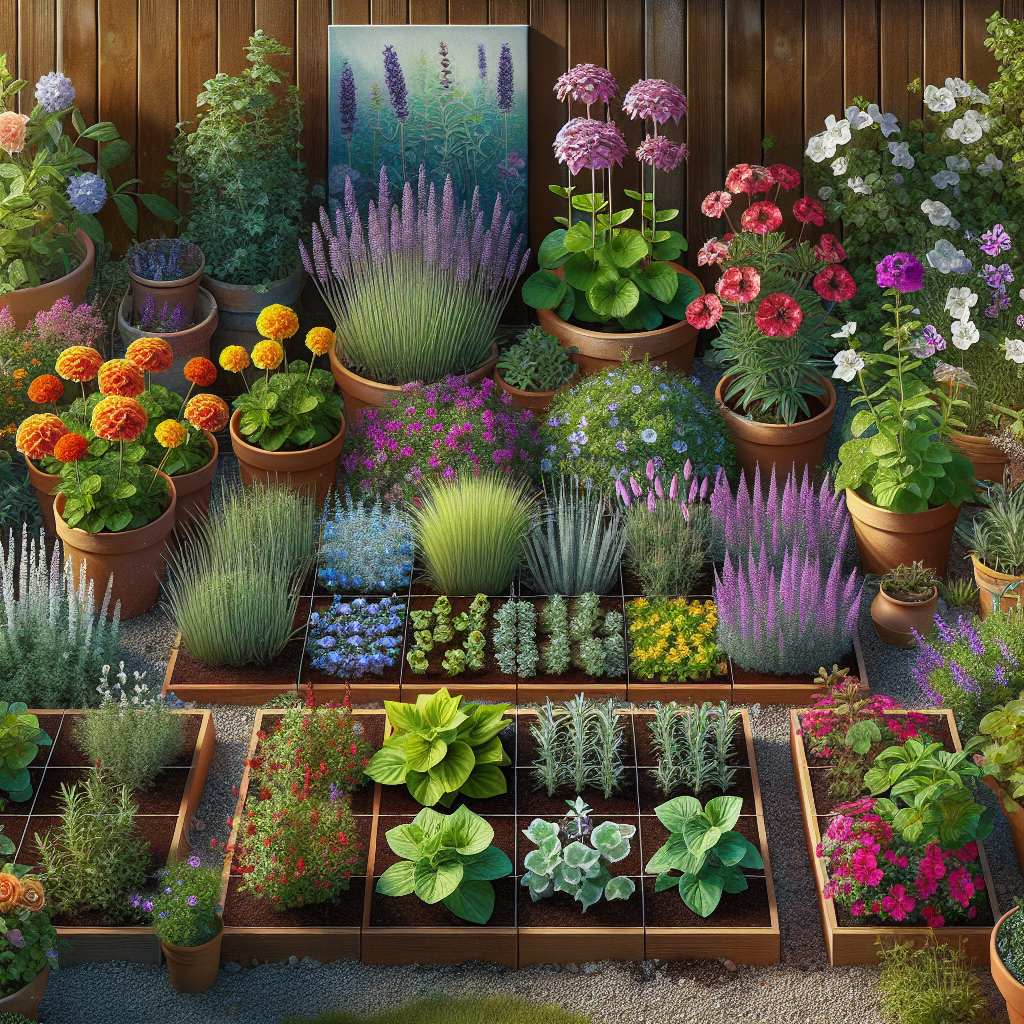
When it comes to gardening, one of the crucial factors to consider is soil pH. The pH scale ranges from 0 to 14, with 7 being neutral. Soils with a pH above 7 are classified as alkaline. Understanding how to work with alkaline soil can open up a whole new world of gardening opportunities. In this comprehensive guide, we will explore the best garden plants for alkaline soil, shedding light on broader concepts while answering common questions along the way.
Understanding Alkaline Soil
What is Alkaline Soil?
Alkaline soil is characterized by a pH level greater than 7. This type of soil tends to occur in arid regions or places with high limestone deposits. Alkaline soils often have higher concentrations of calcium carbonate, which can affect the availability of essential nutrients for plants.
Effects of Alkaline Soil on Plant Growth
While some plants thrive in alkaline conditions, others can struggle. Nutrients such as iron, manganese, and phosphorus may become less available in alkaline soils, which can lead to deficiencies in sensitive plants. Therefore, it’s essential to choose the right plants that can tolerate or prefer higher pH levels.
Benefits of Alkaline Soil
Before diving into the best plants for alkaline soil, let’s explore the benefits of gardening in this type of soil:
-
Reduced Soil Acidity: In alkaline soils, the lower levels of acidity can deter certain pests and pathogens that thrive in more acidic conditions.
-
High Calcium Content: Alkaline soils are rich in calcium carbonates, which can promote strong cell wall development in plants.
-
Unique Plant Opportunities: Certain plant species prefer alkaline environments, giving gardeners opportunities to cultivate unique and beautiful gardens.
Choosing the Best Plants for Alkaline Soil
When selecting plants for alkaline soil, consider the following factors:
- Nutrient Availability: Choose plants that thrive when nutrients like iron and manganese are in lower availability.
- Water Requirements: Many alkaline-soil-loving plants can tolerate dry conditions.
- Aesthetic Appeal: Look for plants that not only grow well but also enhance the visual appeal of your garden.
Top Garden Plants for Alkaline Soil
1. Lavender (Lavandula spp.)
- Description: Known for its fragrant purple flowers, lavender is a hardy perennial that thrives in alkaline soils.
- Growing Conditions: Prefers full sun and well-drained soil. Unlike many other flowers, lavender actually benefits from lower fertility, making it ideal for alkaline environments.
- Use: Great for borders, as ornamental hedges, or in herb gardens.
2. Sedum (Sedum spp.)
- Description: Sedums, or stonecrops, are succulent plants that do exceptionally well in dry and alkaline conditions.
- Growing Conditions: They prefer full sun and well-drained soil, making them perfect for rock gardens.
- Use: Excellent for ground cover and attracting pollinators.
3. Euphorbia (Euphorbia spp.)
- Description: Known for its unique flowering patterns and drought resistance, euphorbia is a versatile perennial.
- Growing Conditions: Thrives in sunny locations with well-drained, alkaline soils.
- Use: Ideal for adding texture and variety to borders or as a backdrop for other flowering plants.
4. Daylily (Hemerocallis spp.)
- Description: With their vibrant blooms and resilience, daylilies are perfect for alkaline soils.
- Growing Conditions: Tolerate a variety of soil types but flourish in slightly alkaline conditions.
- Use: Excellent choice for perennial beds or mixed borders.
5. Hollyhock (Alcea rosea)
- Description: These tall, vibrant flowering plants add vertical interest to any garden.
- Growing Conditions: Prefer rich, well-drained soil that is slightly alkaline.
- Use: Ideal for cottage gardens or against walls for support.
6. Foxglove (Digitalis purpurea)
- Description: Foxgloves are known for their tall spires of tubular flowers and are a favorite in garden landscapes.
- Growing Conditions: Thrive in well-drained, alkaline soils and can tolerate partial shade.
- Use: Great for woodland gardens or cottage-style plantings.
7. Globe Thistle (Echinops spp.)
- Description: This plant is characterized by its striking blue flowers and spiky, globe-shaped heads.
- Growing Conditions: Prefers sunny locations and is tolerant of poor, alkaline soils.
- Use: Wonderful for attracting bees and butterflies.
8. Borage (Borago officinalis)
- Description: Known for its striking blue flowers, borage is an annual herb that also has culinary uses.
- Growing Conditions: Thrives in full sun and well-drained, alkaline soils.
- Use: Great addition to herb gardens and renowned for attracting pollinators.
FAQs About Gardening in Alkaline Soil
How can I test the pH level of my soil?
To determine your soil’s pH, you can use a soil test kit that’s available at most garden centers. These kits typically involve adding a small amount of soil to a test solution and comparing the resulting color to a pH scale. Alternatively, you can send a soil sample to a local extension service for a more detailed analysis.
How can I amend alkaline soil if necessary?
If you find your soil is too alkaline for the plants you wish to grow, you can amend it by:
- Adding Organic Matter: Incorporate compost or well-rotted manure. Organic materials can help balance soil pH.
- Using Sulfur: Elemental sulfur can lower soil pH but must be used cautiously, as it takes time to change the pH level.
- Planting Acid-Loving Plants: Introduce plants that naturally thrive in alkaline conditions to create a balanced ecosystem.
What are the signs that my plants are not thriving in alkaline soil?
Some common signs that plants are struggling in alkaline conditions include:
- Chlorosis: Yellowing of leaves, often indicating a nutrient deficiency, particularly of iron.
- Stunted Growth: Plants may grow slower or remain smaller than expected.
- Poor Flowering or Fruiting: Reduced blooms or fruit sets can signify that nutrients are unavailable or that the soil conditions are unsuitable.
Are there any edible plants that grow well in alkaline soil?
Yes! Some edible plants that do well in alkaline soils include:
- Asparagus: Thrives in well-draining soils and alkaline conditions.
- Artichokes: A perennial vegetable that prefers alkaline soil for optimum growth.
- Jerusalem Artichoke: A tuber that loves alkaline soil, making it suitable for gardeners in these conditions.
How can I maintain a garden in alkaline soil?
To maintain a healthy garden in alkaline soil:
- Regular Testing: Test the soil pH regularly to monitor changes.
- Mulching: Apply organic mulches to improve soil structure and retain moisture.
- Crop Rotation: Rotate crops to avoid nutrient depletion and promote soil health.
- Balanced Fertilization: Use fertilizers that are suitable for alkaline soil, avoiding those high in phosphorus, as they can bond with calcium and become less available.
Conclusion
Choosing the right plants for alkaline soil can lead to a flourishing garden filled with beauty and variety. From drought-resistant sedums to fragrant lavenders, gardeners have a wealth of options that thrive in higher pH settings. By understanding the intricacies of alkaline soil and selecting plants that are well-suited to these conditions, you can create a lush, vibrant garden that is not only aesthetically pleasing but also thriving with life.
Embrace the unique characteristics of your garden soil, and experiment with the diverse plant options available. Happy gardening!