
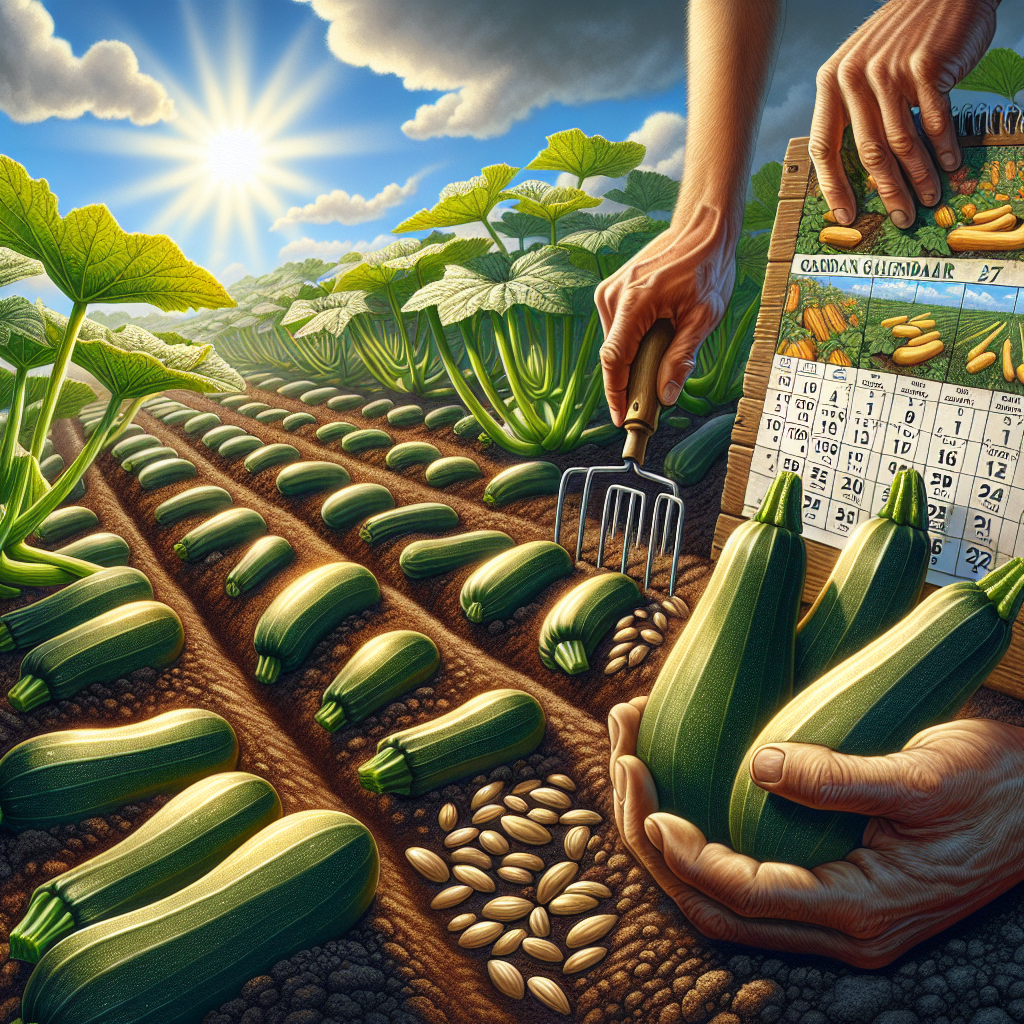
Zucchini is a delightful addition to any garden and offers a plethora of culinary possibilities. For gardeners in Indiana, understanding the optimal timing for planting zucchini is essential to ensure a bountiful harvest. In this article, we will delve into the intricacies of planting zucchini in Indiana, exploring everything from the ideal planting times to the best practices for nurturing these vibrant plants.
Understanding the Climate of Indiana
Before we discuss the timing of planting zucchini, it’s crucial to understand the climate in Indiana. Indiana experiences a humid continental climate, characterized by four distinct seasons. While winters can be cold and harsh, spring and summer often provide a conducive environment for growing a variety of vegetables, including zucchini.
Key Climate Factors
-
Frost Dates: The first and last frost dates vary across Indiana. Generally, the last frost occurs between late April and early May, while the first frost of fall can be as early as mid-October. Knowing these dates is essential for determining when to plant.
-
Temperature Preferences: Zucchini thrives in warm weather, ideally when soil temperatures are consistently between 70°F and 95°F. Therefore, the timing of your planting should coincide with when these ideal conditions occur.
-
Rainfall and Humidity: Indiana receives an ample amount of rainfall during the growing season, which is beneficial for zucchini. However, excessive humidity can lead to diseases, so it’s important to monitor your garden’s conditions.
When to Plant Zucchini in Indiana
Ideal Planting Timeframe
The best time to plant zucchini in Indiana generally falls between mid-April and late June, but this timeframe can vary based on specific geographic locations within the state. Here’s a breakdown:
-
Direct Seeding:
- April 15 – May 15: This is the common window for sowing seeds directly into the garden once the risk of frost has passed and the soil temperature is at least 60°F.
- Ideal Soil Temperature: Wait until the soil temperature consistently stays above 70°F for optimal growth.
-
Transplanting Seedlings:
- Mid-April: If starting indoors, you may transplant seedlings outside after about 3-4 weeks. This means initiating your indoor seed starting in early March.
- Post-Frost Date: Ensure that all danger of frost has passed before transplanting, usually around early to mid-May.
Local Considerations
Due to Indiana’s varying climate across different regions (e.g., northern vs. southern Indiana), it is important to adjust your planting times accordingly.
- Northern Indiana: Aim for planting your zucchini between late May and early June, as the frost dates may linger longer.
- Southern Indiana: You can begin as early as mid-April, taking advantage of the warmer temperatures.
Frequently Asked Questions
1. How Deep Should I Plant Zucchini Seeds?
Zucchini seeds should be planted about 1 inch deep. If you’re transplanting seedlings, ensure that the root ball is fully covered and the soil is packed gently around it.
2. What Is the Best Spacing for Zucchini Plants?
Zucchini plants can get large, so spacing is key. Aim to plant them 24 to 36 inches apart in rows that are 3 to 4 feet apart. This allows for adequate airflow and reduces the risk of disease.
3. How Much Sunlight Do Zucchini Need?
Zucchini plants thrive best in full sunlight, requiring at least 6 to 8 hours of direct sunlight each day. A sunny area in your garden will promote healthier growth and produce more fruit.
4. When Do Zucchini Flowers Appear?
Zucchini plants usually start to flower about 4 to 6 weeks after planting. The flowers are either male or female; both are essential for pollination and fruit development.
5. How Can I Protect My Zucchini from Frost?
If there’s a late frost warning, cover your zucchini plants with row covers or blankets to protect them. You can also use plastic cloches or make temporary greenhouses with plastic sheets and stakes.
Choosing the Right Variety of Zucchini
Choosing the right zucchini variety can significantly influence your gardening experience. Here are several common types of zucchini that thrive in Indiana:
-
Green Zucchini: The most popular variety, known for its classic shape and flavor. It matures in about 50-60 days.
-
Yellow Zucchini: Characterized by its bright color, this variety usually has a slightly sweeter flavor.
-
Pattypan Zucchini: These are small, round squash that can add variety to your garden.
-
Ronde de Nice: A French heirloom variety, this round zucchini is perfect for stuffed recipes.
Factors to Consider When Choosing Varieties
- Growing Season Length: Opt for varieties that mature quickly if your growing season is shorter.
- Disease Resistance: Look for zucchini that’s resistant to common pests and diseases in your area.
- Culinary Use: Consider what you enjoy eating, as some varieties are better suited for grilling, baking, or frying.
Soil Preparations for Your Zucchini Garden
Healthy soil is the foundation of any successful zucchini crop. Here’s how to prepare your soil:
-
Testing Soil pH: Zucchini grows best in slightly acidic to neutral soils (pH 6.0-7.0). Conduct a soil test to gauge pH and nutrient levels.
-
Amending the Soil: Incorporate organic matter like compost or well-rotted manure. This enriches the soil with nutrients and improves drainage.
-
Tilling: Loosen the top 12-14 inches of soil to encourage root growth and improve aeration.
Techniques for Planting Zucchini
Understanding the planting process can yield impressive results.
Step-by-Step Planting Guide
-
Prepare the Bed: Create raised beds or mounds, ensuring good drainage.
-
Sow Seeds: Place seeds 1 inch deep in well-spaced holes or transplant seedlings after hardening them off.
-
Water Nurturingly: Water thoroughly after planting and maintain consistent moisture as zucchini prefers well-hydrated soil.
-
Mulching: Use organic mulch around plants to retain moisture, suppress weeds, and regulate soil temperature.
Caring for Your Zucchini
Once planted, consistent care is vital for successful zucchinis.
Watering Needs
Zucchini plants require about 1 to 1.5 inches of water weekly, either through rainfall or irrigation.
- Best Watering Practices: Water at the base of the plant to prevent damping-off diseases. Drip irrigation works well for this.
Fertilization
- Initial Fertilization: Use a balanced fertilizer when planting (10-10-10) to kickstart growth.
- Side-Dressing: Consider side-dressing with compost when flowers start to appear to encourage fruit production.
Pest and Disease Management
Zucchini is susceptible to pests like squash bugs and aphids, as well as diseases like powdery mildew.
- Cultural Practices: Rotate crops every year and maintain good garden hygiene.
- Natural Remedies: Neem oil can help control pest populations without harming beneficial insects.
Signs of Harvest Readiness
Knowing when to harvest your zucchini is essential for flavor and quality:
-
Size and Color: Zucchini is best harvested when it is about 6 to 8 inches long and firm. The skin should be a vibrant green or yellow, depending on the variety.
-
Frequent Checks: Check your plants every couple of days during the peak growing season, as zucchinis can grow unexpectedly fast.
How to Harvest
- Use a sharp knife or shears to cut the stem, leaving a short piece attached to the fruit to reduce the risk of damage.
Conclusion
Growing zucchini in Indiana can be a satisfying and rewarding experience for gardeners at any skill level. With the right timing, suitable varieties, and attentive care, you can enjoy a prolific harvest all summer long. Remember to keep your local climate variation in mind and adjust your planting schedule accordingly. Happy gardening, and may your zucchini grow abundantly!
This comprehensive guide serves as a nurturing roadmap to help you successfully plan and plant zucchini in Indiana. Whether you are a first-time gardener or an experienced green thumb, understanding the intricacies of planting zucchini is the first step toward a fruitful bountiful garden. Embrace the journey, and let your zucchini flourish!