
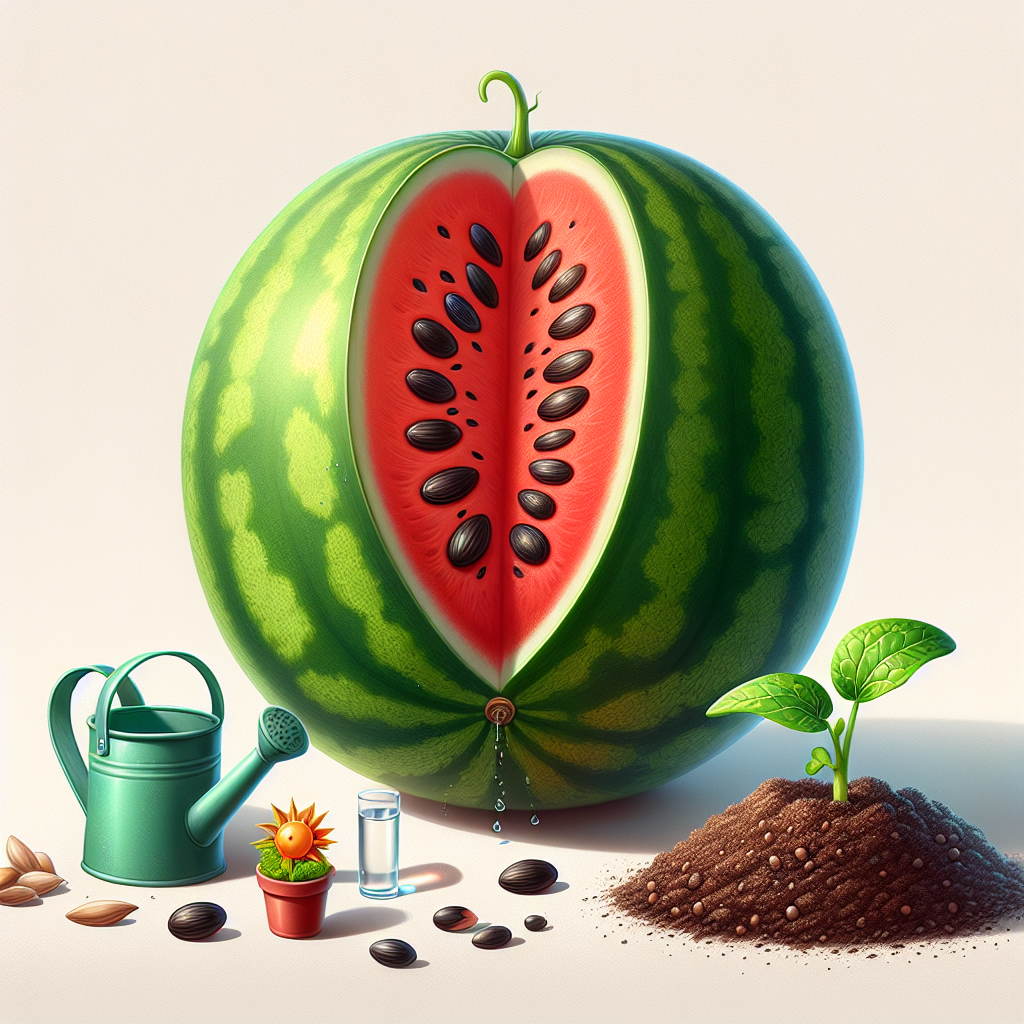
Watermelon is a delightfully refreshing fruit that has been enjoyed for centuries. Not only is it known for its juicy, sweet flesh, but it also boasts a variety of health benefits, including hydration and essential vitamins. But how does one begin their journey to cultivating this summer staple? The answer lies in understanding the intricacies of watermelon seed germination. This article provides a deep dive into the world of watermelon seed germination, covering everything from seed selection to post-germination plant care.
Understanding Watermelon Varieties
What Types of Watermelon Exist?
Before planting, it’s essential to understand the variety of watermelons. They can generally be categorized into three main types:
-
Seeded Watermelon: This traditional type contains seeds and is popular in many regions. Varieties include ‘Sugar Baby’, ‘Crimson Sweet’, and ‘Charleston Gray’.
-
Seedless Watermelon: Developed through hybridization, these watermelons have very few, if any, mature seeds. Though they can yield a higher percentage of edible fruit, they require pollen from seeded varieties to set fruit.
-
Icebox Watermelon: These varieties are smaller and perfect for storage in a fridge. They mature faster, making them ideal for home gardeners with limited space.
Why Does Variety Matter?
Selecting the right variety of watermelon is crucial as it affects the growth duration, size, and taste. Understanding your local climate and soil conditions will help you choose the most suitable type for your garden.
The Science Behind Seed Germination
What Happens During Germination?
Watermelon seed germination is a fascinating biological process. It consists of several stages:
-
Imbibition: The seed absorbs water, swelling and breaking the seed coat. This stage can take anywhere from a few hours to a couple of days.
-
Activation: The absorbed water activates enzymes within the seed, which in turn begin breaking down stored nutrients. These nutrients provide energy for the developing seedling.
-
Growth: The embryo inside the seed uses this energy to expand. The radicle (the embryonic root) emerges first, anchoring the plant and taking up water and nutrients.
-
Seedling Development: Soon after the radicle, the shoot (plumule) breaks through the soil, looking for light. The cotyledons (seed leaves) emerge above the soil, ready to photosynthesize.
How Long Does Germination Take?
Under optimal conditions, watermelon seeds germinate in 7 to 10 days. Factors such as temperature, moisture, and seed quality can either hasten or delay this process.
Preparing for Germination
Seed Selection
Choosing seeds is the first step to a successful germination process.
1. Quality: Always select high-quality seeds from a reputable source. Look for seeds that are organic or heirloom for better flavor and health benefits.
2. Age: Fresh seeds offer better germination rates. Old seeds may still germinate but at a lower rate. Generally, watermelon seeds have a viability period of about 4 to 5 years.
Pre-Soaking Seeds
Soaking watermelon seeds before planting can enhance germination rates. By submerging them in warm water for 12-24 hours, you allow the seeds to start imbibition, speeding up the germination process.
Choosing the Right Environment
Watermelon seeds thrive in warm climates. Here are some essential conditions:
1. Temperature: Ideal soil temperatures for germination fall between 70°F (21°C) to 95°F (35°C).
2. Soil Type: Well-draining, loamy soil enriched with organic matter is ideal. Avoid heavy clay, which can retain too much moisture and suffocate the roots.
3. pH Levels: Watermelon prefers slightly acidic to neutral pH levels, ideally between 6.0 and 7.0.
Seeding Techniques
When to Plant Watermelon Seeds
-
Timing: It’s usually best to plant watermelon seeds after the last frost date in your area. Soil temperature should be at least 70°F (21°C).
-
Direct Sowing vs. Indoor Germination: While many gardeners prefer direct sowing, starting seeds indoors can give you a head start in cooler climates. If you choose this method, transplant seedlings outdoors when they are about 3-4 weeks old and have at least two true leaves.
Planting Depth and Spacing
1. Depth: Plant seeds approximately 1 inch deep. This depth ensures the seeds are adequately covered without suffocating.
2. Spacing: If you’re planting multiple seeds, space them at least 36-42 inches apart to allow for the sprawling nature of watermelon vines.
Caring for Germinating Seeds
Monitoring Moisture
One of the most critical aspects of successful germination is moisture management.
1. Watering: Keep the soil consistently moist but not waterlogged. Spritzing the soil lightly with water or using a moisture meter can help.
2. Mulching: Applying mulch can help retain soil moisture and regulate temperature.
Managing Temperature
If the weather is too cool, consider using row covers or cloches to maintain warmth. Avoid overly hot temperatures to prevent heat stress.
Tackling Common Germination Challenges
What Are Common Issues That Prevent Germination?
-
Insufficient Moisture: If the soil dries out, the germination process will halt. Always check soil moisture levels.
-
Too Much Water: Conversely, overly saturated soil can lead to seed rot.
-
Cool Temperatures: If the soil temperature dips below 70°F (21°C), germination may slow or fail.
-
Pest Issues: Watch for pests like birds or rodents that may dig up or eat the seeds.
How to Encourage Healthy Seedling Growth
Once the seeds have germinated, the focus shifts to nurturing the seedlings.
-
Provide Sunlight: Once the seedlings emerge, they require at least 6-8 hours of sunlight daily.
-
Fertilization: Use a balanced fertilizer about 3-4 weeks after germination to support robust growth.
-
Thinning: If multiple seedlings sprout in one location, thin them out to one seedling per spot to prevent overcrowding.
Transplanting and Beyond
When to Transplant Watermelon Seedlings
After about 3-4 weeks or when they have 2-3 true leaves, seedlings are ready to be transplanted outdoors.
How to Successfully Transplant
-
Acclimatization: Hardening off the seedlings—gradually exposing them to outdoor conditions—can minimize transplant shock.
-
Transplanting Technique: When transplanting, ensure the roots are kept intact. Plant at the same depth they were growing in pots to avoid stress.
Post-Transplant Care
After transplanting, maintain soil moisture and provide necessary nutrients. Watermelon plants require consistent care—especially during flowering and fruiting phases.
Conclusion
Growing watermelon from seeds is a delightful and rewarding endeavor. By understanding the requirements for seed germination, you can increase your chances of success in cultivating this juicy fruit. From selecting the right seeds to nurturing your seedlings, each stage is essential for growth.
Frequently Asked Questions
-
How many watermelon seeds can I plant?
You can plant as many seeds as you have space for, but ensure proper spacing (36-42 inches apart) to allow them to grow freely. -
Can I save watermelon seeds for next year?
Yes, you can save seeds from healthy watermelons. Ensure they are dry and stored in a cool, dark place. -
Are there specific pests to look out for during germination?
Yes, pests like aphids, cutworms, and beetles can affect young seedlings. Monitoring and using organic pest control methods can help. -
How can I tell if my seeds are viable?
The “float test” is a quick method; soak seeds in water for a few hours. Viable seeds will sink, while non-viable seeds float. -
What should I do if my seedlings are leggy?
If your seedlings are stretching towards light, they may need more light exposure. Consider moving them closer to a light source.
The journey from seed to fruit involves not just patience and care but also understanding the science behind this miraculous process. Embrace this adventure as you grow your own sweet, succulent watermelon to savor during those warm summer months. Happy gardening!