
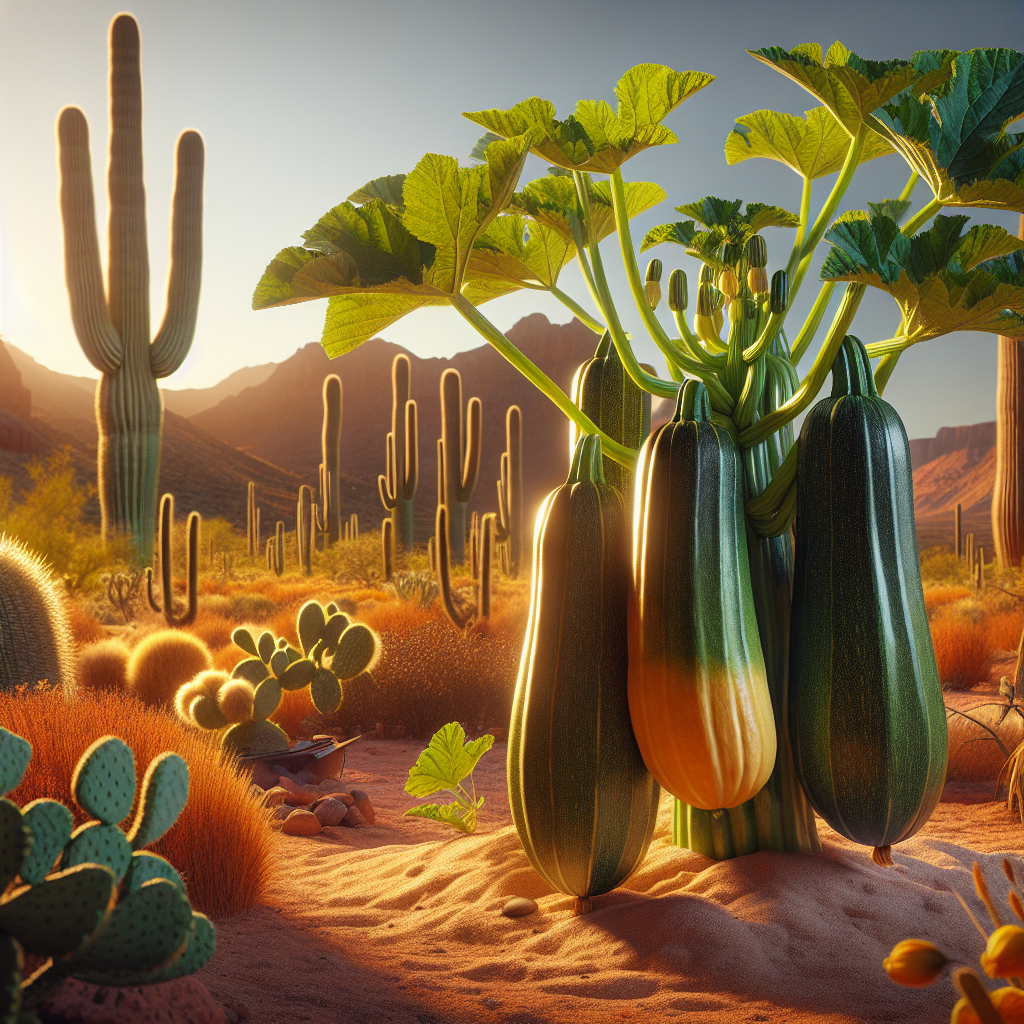
Growing zucchini in Arizona can be a rewarding experience for both seasoned gardeners and beginners alike. As a warm-season vegetable, zucchini thrives in Arizona’s arid climate, making it a perfect addition to any garden. This article will delve deep into the intricacies of growing zucchini in Arizona, answering key questions and providing tips to ensure a successful harvest.
Understanding Zucchini
Zucchini (Cucurbita pepo) is a summer squash known for its versatility in cooking, appealing flavor, and nutritious profile. With its high water content and low-calorie count, zucchini is a favored choice for healthy eating. Additionally, it’s rich in vitamins A and C, potassium, and antioxidants, which offer various health benefits. Before getting into the nitty-gritty of growing zucchini in Arizona, let’s take a closer look at the plant itself.
What is Zucchini?
Zucchini is a member of the gourd family and is typically cylindrical in shape, although it can be found in various colors, including green, yellow, and striped. Gardeners often appreciate zucchini for its fast-growing nature; under the right conditions, it can grow from seed to harvest in just 40 to 60 days.
Why Choose Zucchini for Your Garden?
-
Fast Growth: One of the main attractions of zucchini is its rapid growth rate, which allows for multiple harvests in a single season.
-
Versatile Cooking: Zucchini can be eaten raw in salads, grilled, stir-fried, or even baked into desserts, making it a versatile ingredient.
-
High Yield: A single zucchini plant can produce an abundant harvest, yielding anywhere from 6 to 10 pounds of zucchini over its growing season.
-
Low Maintenance: Zucchini plants are relatively easy to grow, making them a great option for beginner gardeners.
Optimal Growing Conditions in Arizona
Climate Considerations
Arizona’s climate is characterized by its hot summers and mild winters. Understanding this climate is essential for the successful cultivation of zucchini.
-
Temperature: Zucchini prefers daytime temperatures between 70°F and 85°F and night temperatures between 55°F to 70°F. In Arizona, the summer temperatures can exceed this range, so timing your planting is crucial.
-
Sunlight: Zucchini thrives in full sun, requiring at least 6-8 hours of direct sunlight daily. Arizona’s sunny disposition makes it ideal for growing this vegetable.
Soil Requirements
-
Type of Soil: Zucchini grows best in well-drained, loamy soil rich in organic matter. Sandy soils commonly found in Arizona can work as long as they are amended with organic compost to improve fertility and moisture retention.
-
pH Level: The ideal pH range for zucchini is between 6.0 and 7.5. Conduct a soil test and amend it accordingly if necessary.
Watering
Zucchini needs consistently moist soil; however, over-watering can lead to root rot. In Arizona, the dry climate can quickly dry out the soil, increasing the importance of proper watering practices.
-
Irrigation Systems: Drip irrigation or soaker hoses would be beneficial in Arizona’s climate, providing deep watering and minimizing evaporation.
-
Mulching: Applying a layer of mulch around the base of the plant can help retain soil moisture, keep soil temperatures stable, and suppress weeds.
The Best Time to Plant Zucchini in Arizona
Timing Your Planting
-
Spring Planting: The best time to plant zucchini in Arizona is in late February to early March. This timing allows plants to take advantage of the warm spring days while avoiding the extreme summer heat.
-
Fall Planting: If you’re interested in a fall crop, you can sow zucchini seeds in July or early August. This can yield another successful harvest before the cooler temperatures arrive.
Choosing the Right Zucchini Varieties
Arizona gardeners have several zucchini varieties to choose from:
-
Standard Green Zucchini: This is the most commonly grown variety, known for its classic green color and cylindrical shape.
-
Yellow Zucchini: A vibrant alternative to the green variety, yellow zucchini adds a splash of color to your garden.
-
Pattypan Zucchini: Known for its unique shape and flavor, pattypan squash is smaller but can be a fun addition to your garden.
-
Eight Ball Zucchini: This round variety is perfect for stuffing and offers a unique twist on traditional zucchini dishes.
-
Costata Romanesco: A ribbed Italian variety known for its rich flavor, costata may require slightly more care than standard types but rewards you with exceptional taste.
Planting Zucchini
Starting from Seeds vs. Transplants
-
Seeds: You can directly sow zucchini seeds in the soil when temperatures are consistently above 60°F. Plant seeds 1 inch deep and space them about 2-3 feet apart to allow ample room for growth.
-
Transplants: Starting seeds indoors four weeks before the last frost can give you a head start. When planting transplants outdoors, ensure that they’ve hardened off (acclimatized) for a week to adapt to outdoor conditions.
Planting Steps
-
Site Preparation: Choose a sunny spot with well-drained soil. Amend the soil with plenty of organic matter like compost.
-
Planting: Create hills or raised mounds in the soil, placing 2-3 seeds per mound. Thin out to one strong seedling once they are a few inches tall.
-
Watering: Water the plants thoroughly after planting and maintain soil moisture but avoid waterlogging.
Care and Maintenance
Fertilization
To boost your zucchini plants, feed them with a balanced fertilizer, such as a 10-10-10 NPK mix, once they begin to flower. Use organic options like fish emulsion or compost tea for a more natural approach.
Pruning and Training
Zucchini plants can spread out significantly and benefit from pruning:
-
Removing Suckers: Snip off the smaller side shoots that don’t seem to produce flowers or fruits, allowing the plant to focus its energy on producing quality zucchinis.
-
Supporting Plants: For limited space gardens, consider training zucchini plants on trellises, which can help with air circulation and reduce the risk of fungal diseases.
Pest Management
Zucchini plants are vulnerable to various pests. Regular monitoring and early intervention can help minimize pest damage:
-
Common Pests:
- Squash Bugs: These suck sap and can cause wilting.
- Cucumber Beetles: These pests can carry diseases.
- Aphids: Can sap energy from young plants and cause leaf curls.
-
Natural Remedies:
- Introduce beneficial insects like ladybugs.
- Use insecticidal soap or neem oil as an organic remedy.
Diseases
Zucchini is susceptible to several diseases, including:
-
Powdery Mildew: A fungal infection characterized by white powdery spots. It thrives in dry conditions, so adequate spacing for airflow is essential.
-
Bacterial Wilt: Caused by pests like cucumber beetles. Regular pest control can help prevent this issue.
-
Root Rot: Often a consequence of over-watering or poorly draining soil. Monitor moisture levels carefully.
Harvesting Zucchini
When to Harvest
Zucchini can be harvested as early as 6 to 8 inches long, depending on the variety. Smaller zucchinis tend to be more tender and flavorful.
-
Frequency: Check plants every few days once they begin to produce fruit, as zucchini can grow quickly.
-
Harvesting Technique: Use a sharp knife or pruning shears to cut zucchini from the plant, leaving a small stem attached to prevent damage.
Storing and Using Zucchini
Storing Zucchini
Zucchini can be stored in the refrigerator for about a week. For longer storage, consider freezing or pickling zucchini.
-
Freezing: Blanch diced zucchini for 2-3 minutes, cool in ice water, and then freeze in airtight containers.
-
Pickling: Make quick refrigerator pickles with zucchini slices, vinegar, and seasoning.
Culinary Uses
Zucchini is a versatile ingredient, perfect for:
- Stir-fries: Toss quickly in a hot pan for a healthy side dish.
- Salads: Grate raw zucchini into salads for texture and flavor.
- Baked Goods: Incorporate into bread, muffins, or pancakes for moisture and nutrition.
- Grilling: Cut into slices, brush with oil, and grill for a delicious smoky flavor.
Fun Facts about Zucchini
-
Botanical Classification: Although often treated as a vegetable, zucchini is botanically a fruit, as it develops from the flower of the plant.
-
World Record: The record for the world’s largest zucchini was set in 1990 when a specimen over 69 pounds was grown!
Troubleshooting Common Issues
What if My Zucchini Isn’t Fruiting?
If you notice that your zucchini plants are healthy but not producing fruit, it may be due to:
-
Pollination Problems: Zucchini depends on bees for pollination. Planting flowers nearby can attract pollinators or consider hand-pollinating flowers with a small brush.
-
Nutrient Imbalance: Over-fertilization can lead to bushy plants with minimal fruit. Ensure you’re not applying too much nitrogen and focus on balanced nutrients.
-
Weather Conditions: Extreme temperatures can affect fruit set, with very high or low temperatures causing blooms to drop before fruit development.
How to Prevent Blossom End Rot?
This condition afflicts many gardeners and manifests as dark, sunken spots on the bottom of zucchini. Key prevention tips include:
-
Consistent Watering: Both over and underwatering can contribute to this issue. Ensure even moisture levels.
-
Calcium: Ensuring adequate calcium levels in the soil can prevent blossom end rot. You can apply lime or crushed eggshells to the soil.
What to Do If My Zucchini Leaves Are Turning Yellow?
Yellowing leaves can signify various issues:
-
Nutrient Deficiency: A lack of nitrogen can cause older leaves to yellow. Consider applying a balanced fertilizer.
-
Overwatering: Excess moisture can lead to yellowing due to root stress.
Conclusion
Growing zucchini in Arizona can be a delightful journey filled with abundant rewards and delicious culinary creations. With the right knowledge of timing, soil preparation, care, and harvesting techniques, your zucchini plants can thrive in the Arizona climate. By embracing these practices, not only can you enjoy fresh homegrown zucchini, but you can also share this nutritious bounty with family and friends.
Whether you’re looking for an easy vegetable to cultivate or a versatile ingredient for your kitchen, zucchini checks all the boxes. Now is the perfect time to embark on your gardening venture and watch those delightful green (or yellow) fruits grow in your Arizona backyard! Happy gardening!