
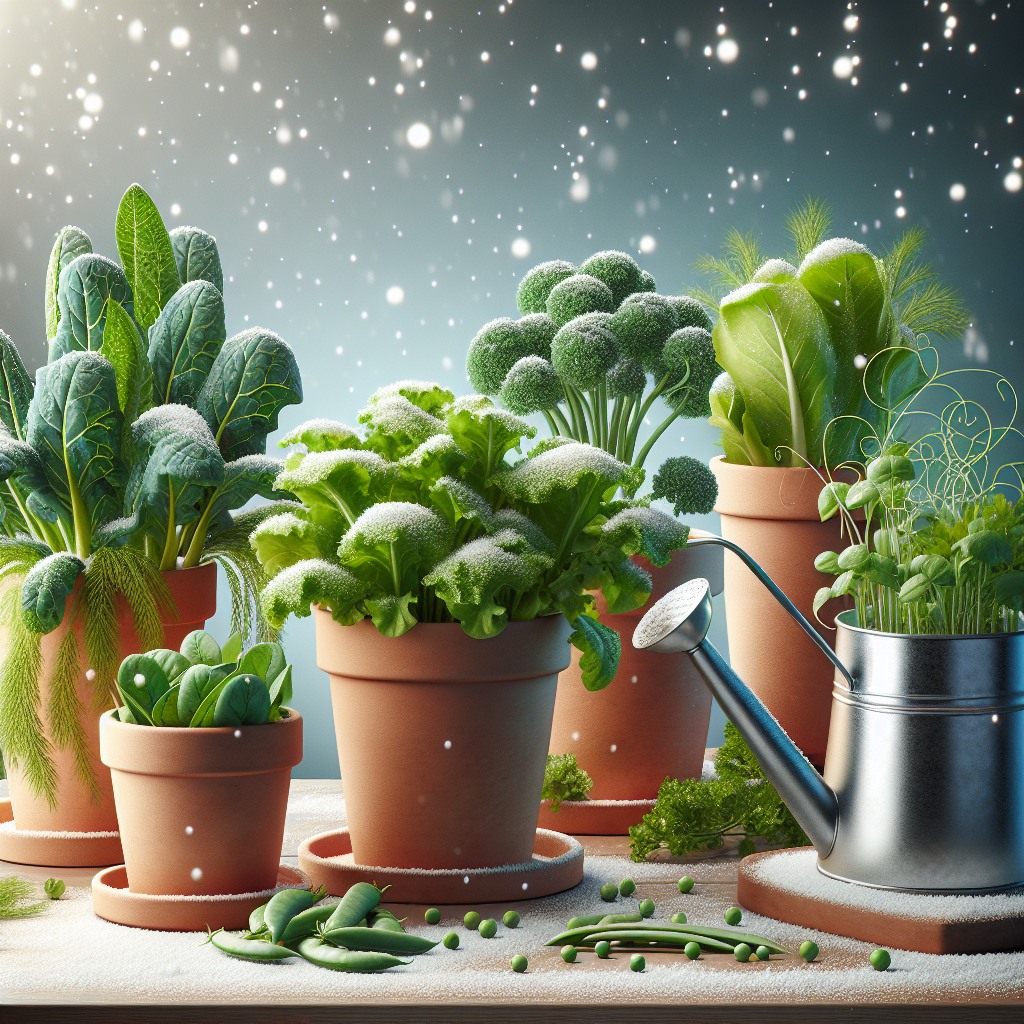
As the days grow shorter and temperatures drop, the notion of fresh vegetables in winter might seem like a distant dream. However, with the right approach and container gardening techniques, you can cultivate a luscious winter vegetable garden right from the comfort of your balcony or patio. This article aims to educate you on every aspect of growing winter vegetables in containers, answering common questions and providing tips to ensure a bountiful harvest even in the colder months.
Table of Contents
- The Benefits of Growing Winter Vegetables in Containers
- Choosing the Right Containers
- Ideal Winter Vegetables for Container Gardening
- Soil and Fertilization Requirements
- Planting and Care
- Dealing with Winter Weather
- Pest and Disease Management
- Harvesting Winter Vegetables
- Frequently Asked Questions (FAQs)
1. The Benefits of Growing Winter Vegetables in Containers
If you’re contemplating winter gardening, you might be wondering, “Why should I choose containers instead of traditional gardening?” Here are some compelling benefits to consider:
- Mobility: Containers can be moved to take advantage of sunlight, shelter from wind, or protection from frost.
- Space-saving: Ideal for those with limited garden space, such as urban dwellers or those living in apartments.
- Pest Control: Elevated containers can deter some pests like slugs or ground-dwelling insects.
- Soil Control: You can tailor the soil mix to your vegetables’ needs, ensuring optimal growth conditions.
- Season Extension: With the right strategies, containers can provide longer growing seasons for many plants.
2. Choosing the Right Containers
Choosing the right container is critical for a successful winter vegetable garden. Here are some aspects to consider:
-
Size: The container’s size will depend on the vegetable type. Larger plants like kale and broccoli require deeper containers (typically 12-18 inches), while smaller root vegetables like radishes and smaller lettuce varieties can thrive in 6-12 inch containers.
-
Material: Containers can be made from plastic, clay, wood, or metal. Each material has advantages and disadvantages. For instance, plastic is lightweight and retains moisture, but clay allows better aeration and drainage.
-
Drainage: Ensure that containers have drainage holes to prevent waterlogging, which can lead to root rot.
-
Insulation: Winter temperatures can be harsh. Use insulated containers or wrap them with burlap or bubble wrap to keep your plants warm.
3. Ideal Winter Vegetables for Container Gardening
Not just any vegetable can thrive in winter conditions. Here’s a list of hardy vegetables suitable for container gardening during winter:
-
Kale: This leafy green thrives in cool temperatures, becoming sweeter after a frost.
-
Spinach: Known for its nutrient-rich leaves, spinach can survive light frost and is fast-growing.
-
Swiss Chard: Another leafy green that can tolerate the cold, Swiss chard is a colorful and nutritious addition to your winter container garden.
-
Carrots: Baby carrots can be grown in containers. They withstand winter chills well.
-
Garlic: Plant garlic cloves in the fall; they will overwinter and be ready for harvest in late spring.
-
Radishes: Quick to mature, radishes are perfect for a quick winter crop.
-
Herbs: Many herbs like parsley, thyme, and cilantro can survive in pots during winter months and can be harvested continuously.
4. Soil and Fertilization Requirements
The right soil mix is vital for container gardening. Here are some tips:
-
Soil Mix: A good quality potting mix is essential. It should be lightweight, drain well, and retain moisture. A mix containing peat, vermiculite, and perlite works well.
-
Fertilization: Container plants deplete nutrients faster than garden beds. Use a balanced fertilizer such as a 10-10-10 NPK mixture every four to six weeks. Organic options like compost are also beneficial.
5. Planting and Care
Planting your winter vegetables correctly can make a difference:
-
Sowing Seeds: Follow packet instructions for planting depth and spacing. Plant seeds directly into the container for easy growth.
-
Watering: During winter, plants need less water, but be careful not to let the soil dry out completely. Check moisture levels with your finger. If the top inch is dry, it’s time to water.
-
Sunlight: Most winter vegetables need at least 6-8 hours of sunlight each day. Place containers in a sunny spot, and rotate regularly to ensure even growth.
-
Mulching: Adding a layer of mulch around your plants will help retain moisture and regulate soil temperature.
6. Dealing with Winter Weather
Winter can bring several weather challenges. Here’s how to mitigate them:
-
Frost Protection: Cover containers at night with frost cloth or burlap when temperatures dip below freezing. If possible, move containers to a sheltered area.
-
Snow and Ice: Accumulated snow can act as insulation. However, remove heavy snow loads to prevent breaking the plant stems or causing containers to crack.
-
Wind Resistance: Strong winds can damage your plants. Position containers in a place that provides them with windbreaks, like against walls or fences.
7. Pest and Disease Management
While winters are typically less favorable for pests, some can still emerge. Here are ways to manage them:
-
Monitoring: Regularly check for signs of pests or disease. Early detection is critical for successful remediation.
-
Organic Pesticides: If necessary, use organic sprays like neem oil or insecticidal soap.
-
Companion Planting: Some plants can repel pests when planted together. For instance, planting garlic alongside your crops can deter aphids.
8. Harvesting Winter Vegetables
Harvesting winter vegetables is a rewarding experience:
-
Timing: Know when to harvest your crops. For example, leafy greens can be harvested continuously by cutting the outer leaves, while root vegetables like carrots and radishes can be pulled when they reach the desired size.
-
Cleaning: Rinse harvested vegetables thoroughly before consumption to remove any soil or pests.
-
Storage: Store harvested vegetables in a cool, dark place. Root vegetables can often be stored in damp sand or peat in a cool area.
9. Frequently Asked Questions (FAQs)
Q1: Can I grow vegetables indoors during winter?
Yes! If you have enough light, many vegetables can thrive indoors. Consider investing in grow lights to supplement natural light.
Q2: What are the best winter vegetables to grow in containers for beginners?
Kale, spinach, and radishes are excellent choices for beginners due to their fast growth and resilience to cold.
Q3: How do I know when to water my winter vegetable plants?
Check the soil moisture levels by sticking your finger about an inch deep into the soil. If it feels dry, it’s time to water.
Q4: Can I use old garden soil in my containers?
It’s not advisable to use old garden soil, as it may contain pests or diseases. Always use fresh, sterile potting mix for container gardening.
Q5: What if I don’t have a sunny balcony or patio for my containers?
Consider using grow lights or choose shade-tolerant vegetables like lettuce and some herbs.
Q6: How can I ensure my containers remain insulated during very cold weather?
Wrap containers in insulating materials like bubble wrap, burlap, or even old blankets. You can also sink pots halfway into the ground to reduce exposure to the elements.
Conclusion
Growing winter vegetables in containers not only adds color and nutrition to your diet but also enhances your gardening skills and connection to nature. With the right knowledge, resources, and a bit of dedication, you can cultivate a thriving winter garden, regardless of the cold outside. Whether you’re looking to enjoy fresh salads in January or want to reduce your grocery bill, winter container gardening is a rewarding undertaking. Get your containers ready, select your favorite winter vegetables, and turn the cold months into a harvesting season full of satisfaction! Happy gardening!