
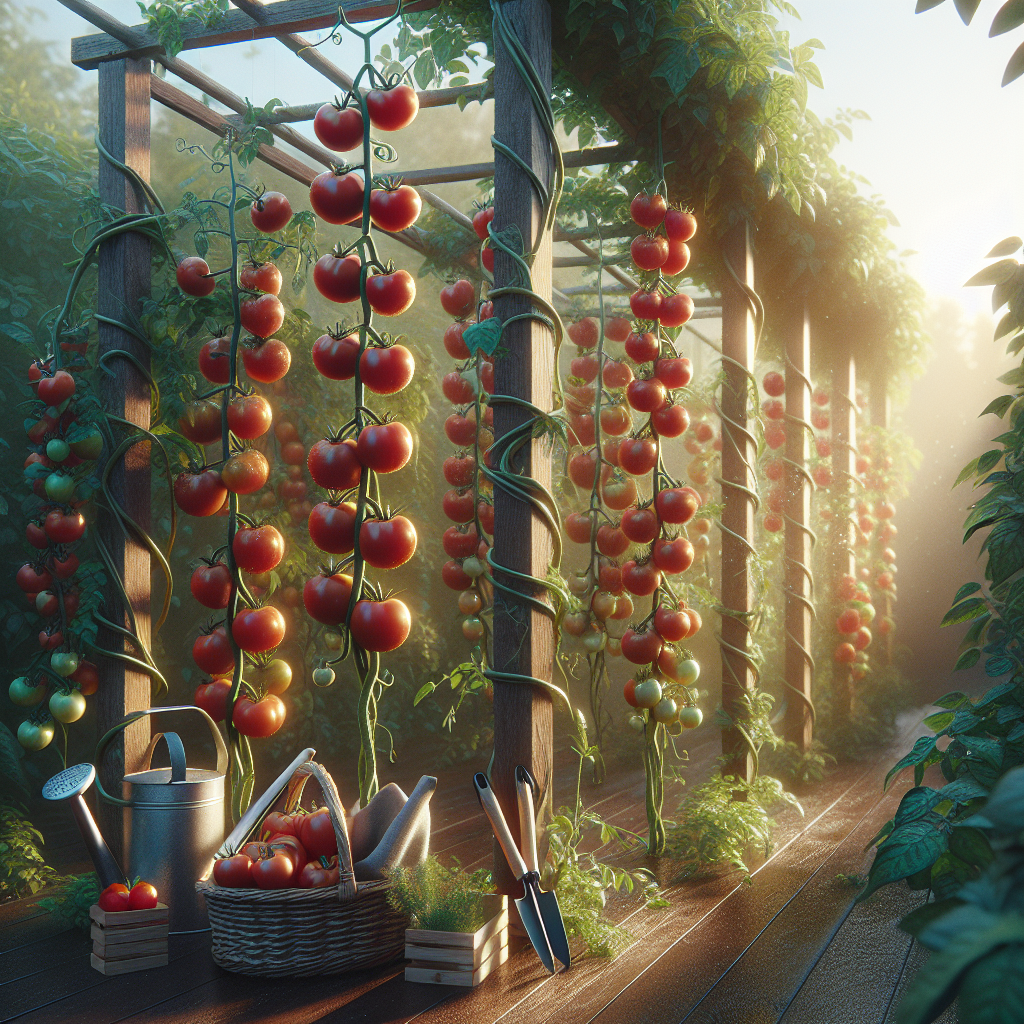
Tomatoes are one of the most beloved and versatile fruits grown in home gardens around the world. With countless varieties, colors, and flavors, they can transform any meal into a gourmet experience. However, mowing your way to a bountiful harvest involves understanding the best growing practices, one of which is trellising. This detailed guide will explore the ins and outs of growing tomatoes on a trellis, answering common questions while providing insight that can help you achieve a thriving crop.
Why Trellis Tomatoes?
1. Increased Airflow and Sunlight Exposure
One of the primary benefits of using a trellis for tomatoes is improved airflow and sunlight exposure. By elevating the plants off the ground, trellising allows for better air circulation around the foliage. This is particularly important in regions with high humidity, where stagnant air can encourage the growth of fungal diseases. Additionally, trellised tomatoes can receive more direct sunlight, which is crucial for photosynthesis and optimal fruit development.
2. More Space Efficiency
For gardeners with limited space, especially urban dwellers or those with small backyards, trellising maximizes vertical space. By training plants to grow upward, you preserve valuable ground space for other vegetables, herbs, or flowers.
3. Reduced Disease Risk
Disease is a common concern for tomato growers. Because trellised tomatoes are lifted off the soil, the risk of soil-borne diseases is significantly reduced. Also, creating a more organized growing system allows for better monitoring and management of any potential pest or disease issues.
4. Easier Harvesting and Maintenance
Harvesting ripe tomatoes can be tedious if the plants are sprawling on the ground. With a trellis, ripe tomatoes are easier to spot and reach, reducing the chance of bruising them during picking. Furthermore, maintenance tasks like pruning, watering, and pest control become easier to manage.
When to Begin Trellising Tomatoes
Timing Matters
Tomatoes should generally be trained to a trellis when they reach around 12-18 inches in height. This is the point at which they’ll benefit most from the support, allowing them to grow vertically rather than sprawling out.
Q: How do I know when to start trellising my tomatoes?
A: Watch for the tomato plants to reach a height of roughly 12-18 inches. At this point, you should also begin to see their first flowers developing, indicating that they are ready to be supported.
Choosing the Right Trellis System
Types of Trellis Systems
Different types of trellis systems can be employed, each with its unique benefits. Your choice may depend on the variety of tomatoes you are growing and the space you have available.
1. Traditional Stakes
A simple option, using wooden or bamboo stakes, can effectively support indeterminate varieties of tomatoes. Stakes should be about 5-6 feet tall, pushed securely into the ground next to each plant.
2. Tomato Cages
These wire or plastic structures are designed to encase tomato plants, providing support and allowing for good airflow. However, they can require more space and are better suited to determinate varieties that grow more compactly.
3. Trellis Systems with String
This method uses a vertical string line to support the tomato plants. A horizontal structure is built, and strings are anchored at the top, allowing the plants to grow upwards.
4. Espalier Trellis
Espalier is an artistic way of training plants to grow flat against a vertical surface. This technique lends itself to decorative gardening while maximizing space.
Considerations When Choosing a Trellis
- Space availability: Determine how much space you can allocate for the trellis system.
- Tomato varieties: Research whether your chosen tomato varieties are determinate (bushy) or indeterminate (vining), as this will affect your choice of trellis.
- Materials: Select sturdy materials that will endure weather conditions in your area.
How to Set Up a Trellis for Tomatoes
Step-by-Step Instructions
-
Choose the Location:
- Select a sunny spot in your garden where tomatoes will receive at least 6-8 hours of sunlight daily.
-
Prepare the Soil:
- Enrich your soil with compost or well-rotted manure to ensure it is nutrient-rich and well-draining.
-
Install the Trellis:
- For stakes: Push them into the ground at least 12 inches deep, 12-18 inches away from the base of the tomato plants.
- For cages: Position the cages over the plants when they are young to avoid disturbing deeper roots.
- For straight string lines: Construct a frame from wood or metal, and tie string from the top to the base, anchoring it securely.
-
Plant the Tomatoes:
- Space plants adequately according to the variety. Generally, determinate tomatoes can be about 1-2 feet apart, while indeterminate varieties should be spaced 2-3 feet apart.
-
Train the Plants:
- As the plants grow, regularly tie them to the trellis system using soft plant ties, which will prevent damage to the stems.
Care and Maintenance for Trellised Tomatoes
Regular Pruning
Q: Should I prune my trellised tomatoes?
A: Yes, pruning is essential. Regularly remove suckers (the small shoots that appear in the leaf axils) to promote better air circulation and energy directed toward fruit production. Be cautious not to remove too much foliage, as this can expose the fruits to sunscald.
Watering Practices
Tomatoes generally require about 1-2 inches of water weekly. Consistency is vital; uneven watering can lead to problems like blossom end rot.
Q: How do I know when to water trellised tomatoes?
A: Check the soil’s top inch or two; if it feels dry, it’s time to water. Avoid getting the foliage wet to help prevent disease.
Fertilization
The nutritional needs of tomatoes can be high, especially when growing on trellises.
Q: What type of fertilizer should I use?
A: A balanced fertilizer with equal parts nitrogen, phosphorus, and potassium is generally effective. After the plants set fruit, switch to a low-nitrogen fertilizer to promote fruit development rather than leafy growth.
Pest and Disease Management
Common Tomato Pests
- Aphids: Small, sap-sucking insects that can form colonies on young shoots.
- Tomato Hornworm: Large green caterpillars that can strip a plant of leaves overnight.
- Spider Mites: Tiny pests that thrive in dry conditions, creating webbing and causing leaf discoloration.
Q: How can I manage pests on trellised tomatoes?
A: Regularly inspect your tomato plants for signs of pests. You can handpick larger pests, use insecticidal soap for aphid control, and introduce beneficial insects like ladybugs to help manage aphid populations.
Diseases to Watch For
- Blight: A fungal disease that causes dark spots on leaves and stems. Ensure good airflow and remove any infected parts immediately.
- Fusarium Wilt: A soil-borne disease that affects the plant’s vascular system, leading to wilting.
- Powdery Mildew: Characterized by a white powdery fungus on leaves.
Q: How can I prevent diseases in trellised tomatoes?
A: Practice crop rotation, avoid overhead watering, and ensure that you have proper spacing and airflow. Also, choose resistant tomato varieties whenever possible.
Harvesting Your Tomatoes
When to Harvest
Q: How do I know when my tomatoes are ripe?
A: Look for several visual cues: the tomatoes should have a full and vibrant color, should be firm but yielding slightly to touch, and may have a pleasant aroma.
Best Practices for Harvesting
- Gently twist and pull the tomato from the vine, or use a pair of snips to avoid damaging the plant.
- Harvest tomatoes in the morning for optimal flavor, as they will have the highest moisture content.
Frequently Asked Questions
How can I protect my trellised tomatoes from extreme weather?
A: In regions with harsh sunlight, provide shade cloth to prevent sunscald. For excessively windy conditions, consider windbreaks to protect your plants. In colder climates, use row covers to shield the plants from frost.
Is trellising effective for all tomato varieties?
A: Trellising is particularly beneficial for indeterminate varieties, which continue to grow and produce fruit throughout the season. Determinate varieties can also be grown on a trellis but may need less support due to their bushy nature.
Are there any disadvantages to trellising tomatoes?
A: The primary risk is potential damage to the plants if the trellis system is improperly constructed or if the plants outgrow their support. Regular monitoring and adjustment are essential for successful trellising.
Conclusion
Growing tomatoes on a trellis is not just a clever method to maximize space but also a commitment to nurturing your plants for greater health and productivity. With improved airflow, reduced disease risk, and ease of harvest, trellised tomatoes can produce bountiful, delicious fruits, transforming your garden into a thriving oasis.
As you embark on your journey of growing tomatoes on a trellis, keep exploring, asking questions, and experimenting with different techniques. Happy gardening!