
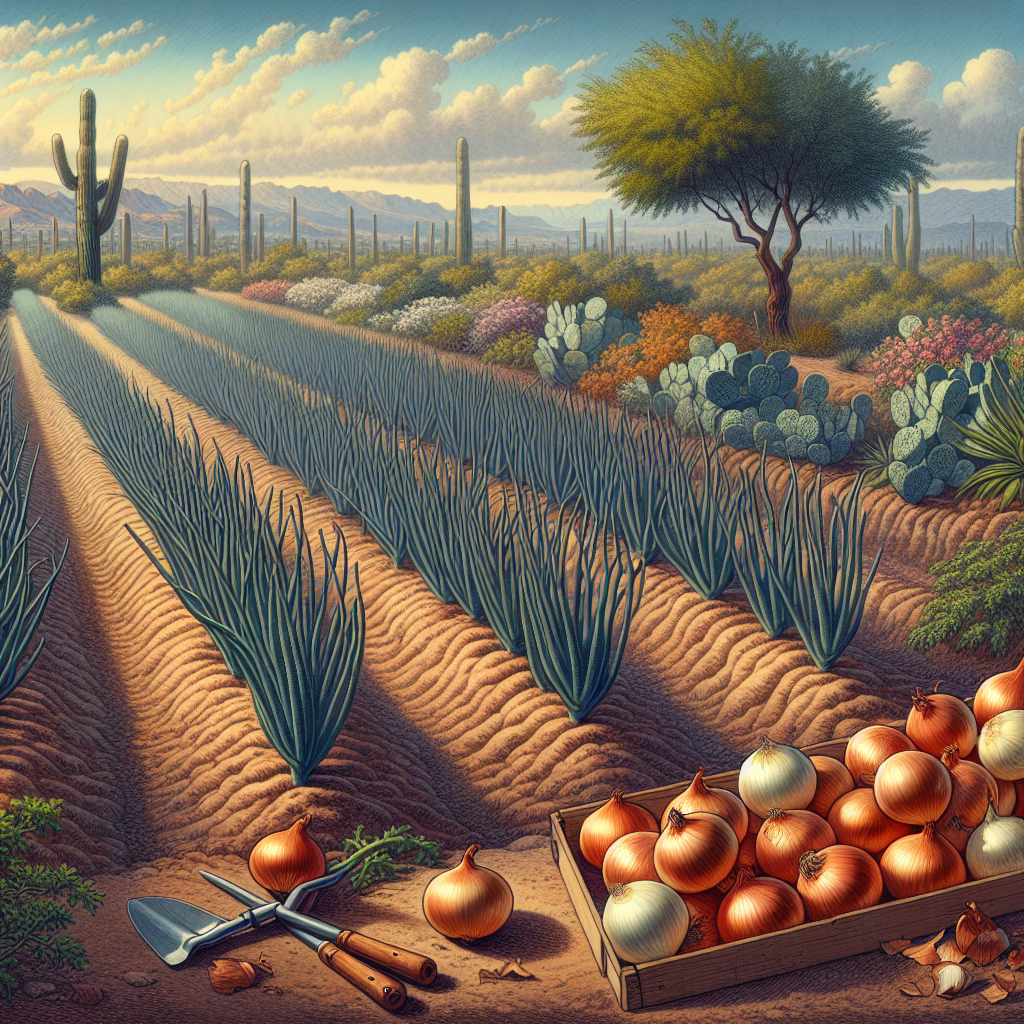
Growing onions can be one of the most rewarding agricultural experiences, especially in Arizona, where the sun shines bright and the soil is diverse. This article will dive deep into all aspects of onion cultivation, answering your burning questions, tips for success, and how to navigate the unique challenges Arizona offers. Whether you’re a seasoned gardener or a novice, this guide aims to equip you with all the knowledge needed for thriving onion crops.
Why Grow Onions?
Onions (Allium cepa) are not just staple ingredients in countless dishes; they are nutrient-rich vegetables that provide numerous health benefits. Packed with vitamins and minerals like vitamin C, B vitamins, and potassium, onions also have antioxidant properties. Their versatility in cooking makes them highly desirable, ensuring that you can sell or use what you grow efficiently.
Moreover, onions have a relatively long shelf life, allowing you to store your harvest for months, minimizing waste.
Climate Considerations in Arizona
Arizona’s climate is characterized by long, hot summers and mild winters, making it an excellent choice for growing various onion types. However, it also presents unique challenges, particularly concerning heat and water management.
1. What Are the Best Onion Varieties for Arizona?
In Arizona, you will find that the best-performing onion varieties are typically either long-day or intermediate-day types.
Long-Day Varieties:
- Walla Walla: Known for its sweet flavor and large bulbs, this variety thrives with long daylight hours.
- Yellow Granex: This variety has a semi-flat shape and is great for salads and cooking.
Intermediate-Day Varieties:
- Texas Super Sweet: This onion is perfect for the warmer regions of the state and has a sweet flavor.
- Bermuda: This versatile onion can grow in various conditions and produces large, sweet bulbs.
2. When is the Ideal Time to Plant Onions in Arizona?
The best times to plant onions in Arizona can vary based on the specific type of onion:
-
Fall Planting (September to November): Ideal for long-day varieties as they will benefit from the cooler temperatures and winter moisture.
-
Spring Planting (February to April): Perfect for intermediate-day onions, which prefer to grow as the temperatures start to rise but before the scorching heat sets in.
3. Soil Preparation: What Should You Know?
The key to great onion production lies in the soil. Onions prefer loose, well-draining soil rich in organic matter. Let’s break down soil preparation:
Testing Soil Quality:
Before planting, conduct a soil test to determine pH levels, nutrient content, and texture. Onions thrive in soil with a pH between 6.0 and 7.0.
Tilling the Soil:
- Depth: Till the soil at least 12 inches deep to break up compacted layers.
- Add Organic Matter: Incorporate compost or well-rotted manure to enhance soil structure, provide nutrients, and improve moisture retention.
4. What Are Some Watering Tips for Onions?
Watering is crucial for the successful growth of onions:
-
Frequency: Onions need about 1 inch of water per week. During hotter months, you may need to adjust this. Drip irrigation or soaker hoses work well to provide consistent soil moisture.
-
Watering Technique: Water deeply to encourage root development but avoid waterlogging, which can lead to rot.
5. Fertilizing: What’s the Best Regimen?
Fertilizing onions properly will help achieve large, flavorful bulbs:
-
Pre-Plant Fertilization: Before planting, mix a balanced fertilizer (such as a 10-10-10 blend) into the soil according to the soil test results.
-
Side Dressing: Once the onions are about 6 inches tall, apply a nitrogen-rich fertilizer. A second application may also be needed about a month later.
6. How to Control Pests and Diseases?
Although onions are relatively resistant to pests, they are still susceptible to certain issues:
Common Pests:
-
Onion Maggot: These are small flies that lay eggs in the soil around onion plants. Use row covers to protect your plants.
-
Thrips: These tiny insects can cause discoloration and stunted growth. Implementing proper sanitation practices and introducing beneficial insects may help control numbers.
Disease Management:
-
Fungal Diseases: Overwatering can lead to fungal diseases. Practice crop rotation and ensure proper drainage.
-
Bacterial Diseases: Harvest your onions carefully and avoid bruising to minimize bacterial infections.
7. How to Properly Harvest Onions
Harvesting onions requires careful timing and technique:
-
Timing: Typically, onions are ready when the tops start to fall over and turn yellow, which can happen anywhere from 90 to 120 days post-planting.
-
Technique: Use a garden fork to gently lift the onions from the ground. Avoid pulling them by the tops, as this could damage the bulbs.
8. How to Cure and Store Onions
Curing increases the shelf life of onions:
-
Curing Process: Place harvested onions in a warm, dry location with good airflow for 2 to 3 weeks. This will allow the outer skins to dry out and toughen.
-
Storage: After curing, store onions in a cool, dark place with good ventilation. Avoid storing them in plastic bags, as this can promote rot.
Frequently Asked Questions on Growing Onions in Arizona
1. Can I Grow Onions in Containers?
Yes! If you have limited space or poor soil quality, consider growing onions in containers. Choose deep pots (12-18 inches) filled with quality potting mix and ensure they have proper drainage.
2. How Do I Know If My Onions Are Ready to Harvest?
Onions are ready to harvest when their tops begin to yellow and fall over. Monitor closely since harvesting too late may lead to rot.
3. Can I Save Seeds from My Onion Crop?
Yes! If you allow some onions to flower, they will produce seeds. However, if you’re growing hybrid varieties, the seeds may not produce identical plants.
4. What Should I Do If My Onions Are Small?
Several factors, including inadequate watering, poor soil quality, or lack of nutrients, can contribute to small onions. Ensure that soil conditions, watering practices, and fertilizers are optimal.
5. How Can I Extend My Growing Season?
Consider using row covers to protect against extreme temperatures and pests. You can also start seeds indoors and transplant them when conditions are favorable.
Benefits of Growing Onions in Arizona
-
Local Demand: Arizona’s local farmer’s markets and grocery stores offer a ready marketplace for your produce.
-
Nutritional Value: By growing your onions, you ensure fresher produce packed with nutrients, unlike those transported over long distances.
-
Sustainable Practices: You have control over the growing practices, allowing you to utilize organic methods and make environment-friendly choices.
-
Agricultural Community: Arizona has a strong agricultural community where you can connect with fellow farmers, share tips, and learn from one another.
Conclusion
Growing onions in Arizona is not just a task but an experience filled with opportunities for connection, sustainability, and nourishment. With proper planning, soil management, pest control, and harvesting techniques, anyone can cultivate a bountiful onion crop, leading to delicious meals and increased economic benefits.
So gear up, gather your seeds, and embark on this wonderful journey of growing onions in the vibrant landscapes of Arizona. With the right knowledge and dedication, your onion garden will flourish, providing a satisfying harvest for you and your family. Happy gardening!