
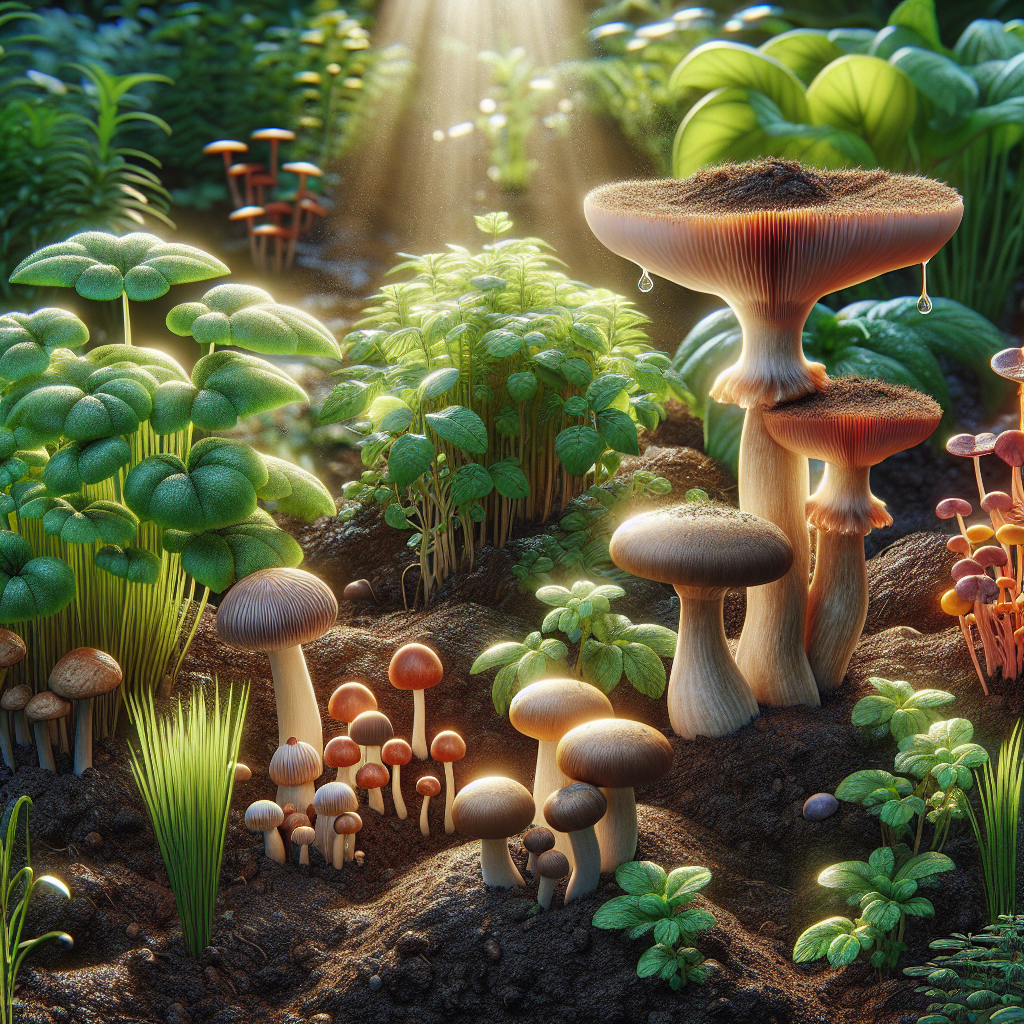
Mushrooms, often referred to as the “food of the gods,” have delighted our palates and enriched our diets for centuries. These fascinating organisms are not plants, but fungi, and they offer both culinary and health benefits that make them worthy of a place in your garden. If you’re intrigued by the idea of cultivating your own mushrooms, this article will guide you through everything you need to know—from the basics of mushroom biology to growing techniques, varieties, and troubleshooting tips.
What Are Mushrooms and Why Grow Them?
Understanding Mushrooms
Mushrooms are the fruiting bodies of fungi. While plants produce energy through photosynthesis, fungi absorb nutrients from their surroundings, decomposing organic materials to sustain themselves. This unique biology allows mushrooms to thrive in environments where other crops may struggle.
Benefits of Growing Mushrooms
-
Nutritional Value: Mushrooms are low in calories and rich in vitamins, minerals, and antioxidants. They are particularly known for their vitamin D content, especially when exposed to sunlight.
-
Culinary Diversity: From the mild flavors of white button mushrooms to the earthy tones of shiitakes and the robust taste of portabellos, mushrooms add depth and dimension to countless dishes.
-
Soil Health: Mushrooms can improve soil health by breaking down organic matter, increasing nutrient availability for other plants and creating a balanced ecosystem in your garden.
-
Sustainable Practices: Growing mushrooms can be an eco-friendly practice. They can be cultivated on kitchen scraps, cardboard, or agricultural byproducts, reducing waste.
-
Therapeutic Benefits: Interacting with nature while growing mushrooms can have therapeutic effects, improving overall mental well-being.
Getting Started: What You Need to Know
What Types of Mushrooms Can You Grow?
There are several types of mushrooms suitable for home cultivation:
- Oyster Mushrooms: Fast-growing and easy to cultivate. They have a mild flavor and come in various colors, including white, blue, and pink.
- Shiitake Mushrooms: Rich, meaty flavor and often grown on logs. They take longer to produce but are well-loved in culinary applications.
- Lion’s Mane: Prized for its unique flavor and potential health benefits, particularly for cognitive health.
- Button Mushrooms: The most common variety grown commercially, excellent for beginners.
- Portabella Mushrooms: Mature button mushrooms, known for their large caps and meaty texture.
Tools and Materials Needed
- Spores or Spawn: These are the seeds for your mushroom garden. You can purchase them from specialty shops or online.
- Growing Medium: Depending on the type of mushroom, you might need straw, wood chips, sawdust, or compost.
- Containers: For many types of mushrooms, you can use plastic bags, buckets, or specialized mushroom-growing kit containers.
- Humidity Tent: A simple way to create a humid environment if you’re growing indoors.
- Thermometer and Hygrometer: To monitor temperature and humidity levels.
Where Should You Grow Mushrooms?
Mushrooms can be cultivated both indoors and outdoors. Here are some factors to consider:
- Indoor Growth: Ideal for beginners. Choose a shady spot like a basement or garage with controlled temperatures. Use humidity tents to maintain moisture.
- Outdoor Growth: Requires a shaded area with less foot traffic. Look for areas with decaying wood or compost heaps, which replicate the mushrooms’ natural habitat.
Step-by-Step Guide to Growing Mushrooms
Step 1: Choose Your Mushroom Type and Source
- Choosing: Select a mushroom species based on your preferences and your region’s climate.
- Purchasing Spawn: Purchase high-quality spawn from reputable suppliers to ensure your success.
Step 2: Prepare Your Growing Medium
For different mushroom varieties, the preparation of the medium will vary.
-
Oyster Mushrooms: Use straw. Make sure it’s clean and free from pesticides. Soak it in water for 24 hours, then drain and pasteurize by heating it to around 160°F (71°C) for about an hour.
-
Shiitake Mushrooms: Use logs (about 4-6 inches in diameter, seasoned hardwood is preferred). Drill holes and insert the spawn into these holes.
Step 3: Inoculate the Medium
Once your medium is ready, it’s time to inoculate (introduce the spawn):
-
For straw: Mix the spawn into the straw thoroughly and pack it tightly into your containers, or use plastic bags to seal moisture.
-
For logs: When you’ve inserted the spawn, cover the holes with wax to protect them from contamination.
Step 4: Maintain Ideal Conditions
Mushrooms thrive in specific environmental conditions:
-
Temperature: Most mushrooms prefer between 60°F (15°C) and 75°F (24°C). Keep them out of extreme temperatures.
-
Moisture: Maintain high humidity (around 85%-95%) through misting or using a humidifier.
-
Light: While mushrooms don’t require light to grow, indirect light can help fruiting bodies to form.
Step 5: Harvesting
When the mushrooms have grown to a size you desire, gently twist and pull them from the substrate. It’s important to harvest before the caps fully open to prevent spore production, which can hinder further growth.
Frequently Asked Questions
How long does it take for mushrooms to grow?
The growth time varies depending on the species and conditions. Usually, from a couple of weeks to several months, oyster mushrooms can be harvested in as little as 2-3 weeks, while shiitake mushrooms may take 6-12 months.
What pests or diseases should I watch out for?
Common issues include:
-
Contamination: Other fungi or bacteria can outcompete your mushrooms. Ensure sterile techniques during inoculation and use clean materials.
-
Pests: Flies, slugs, and various insects can harm your mushrooms. Ensure good airflow and cleanliness.
Can you grow mushrooms in the shade?
Yes! Mushrooms thrive in shaded, moist environments. They can often be grown under trees or on the forest floor, where similar conditions mimic their natural habitat.
Is it safe to eat mushrooms I grow by myself?
If you are using spawn from a reputable source and not foraging wild mushrooms, then yes, it is safe. Always ensure that what you are growing is cultivable and edible, as some mushrooms can be toxic.
Troubleshooting Common Issues
Slow Growth
If your mushrooms are slow to grow, check:
- Temperature: Make sure the growing environment is warm enough.
- Moisture Levels: Ensure the humidity is kept high; mist if necessary.
- Contamination: Look for signs of disease or other fungi.
Poor Yield
If your yield is lower than expected, consider:
- Checking your substrate quality.
- Reviewing your inoculation technique—too little spawn can result in weak growth.
- Ensuring they receive enough humidity and proper temperature.
Off-Flavors or Bad Odors
This might indicate bacterial contamination. Remove any affected areas immediately and check that your growing materials and environment are kept clean.
Advanced Techniques for Enthusiasts
Companion Planting with Mushrooms
Some gardeners are exploring the concept of companion planting, integrating mushrooms into their existing gardens. For example, certain mushrooms can improve soil quality and attract beneficial insects, supporting a more biodiverse environment.
Cultivating Medicinal Mushrooms
Adventurous gardeners may choose to grow medicinal mushrooms like reishi or turkey tail, known for their health benefits. These require specific growing conditions but often sell for a premium at markets.
Using a Mushroom Log
If you want a more permanent solution, consider inoculating logs with mushroom spores. Stacking them in shaded parts of your garden can create a sustainable mushroom source for years to come.
Conclusion
Growing mushrooms in your garden can be a rewarding experience that combines culinary delight with environmental benefits. With the right knowledge, tools, and care, anyone can transform a small area into a thriving mushroom sanctuary. This guide has provided the foundational steps, answered common questions, and even addressed challenges to help ensure your success in mushroom cultivation.
Whether you’re a casual gardener looking to enhance your meals or a dedicated forager wanting to grow your own food source, cultivating mushrooms opens a world of possibilities. As you delve into this captivating area of gardening, you’ll find not only joyful moments of harvest but a deeper appreciation for the wonderful world of fungi. So, prepare your substrate, find your spores, and get started on the fulfilling journey of mushroom cultivation! Happy gardening!