
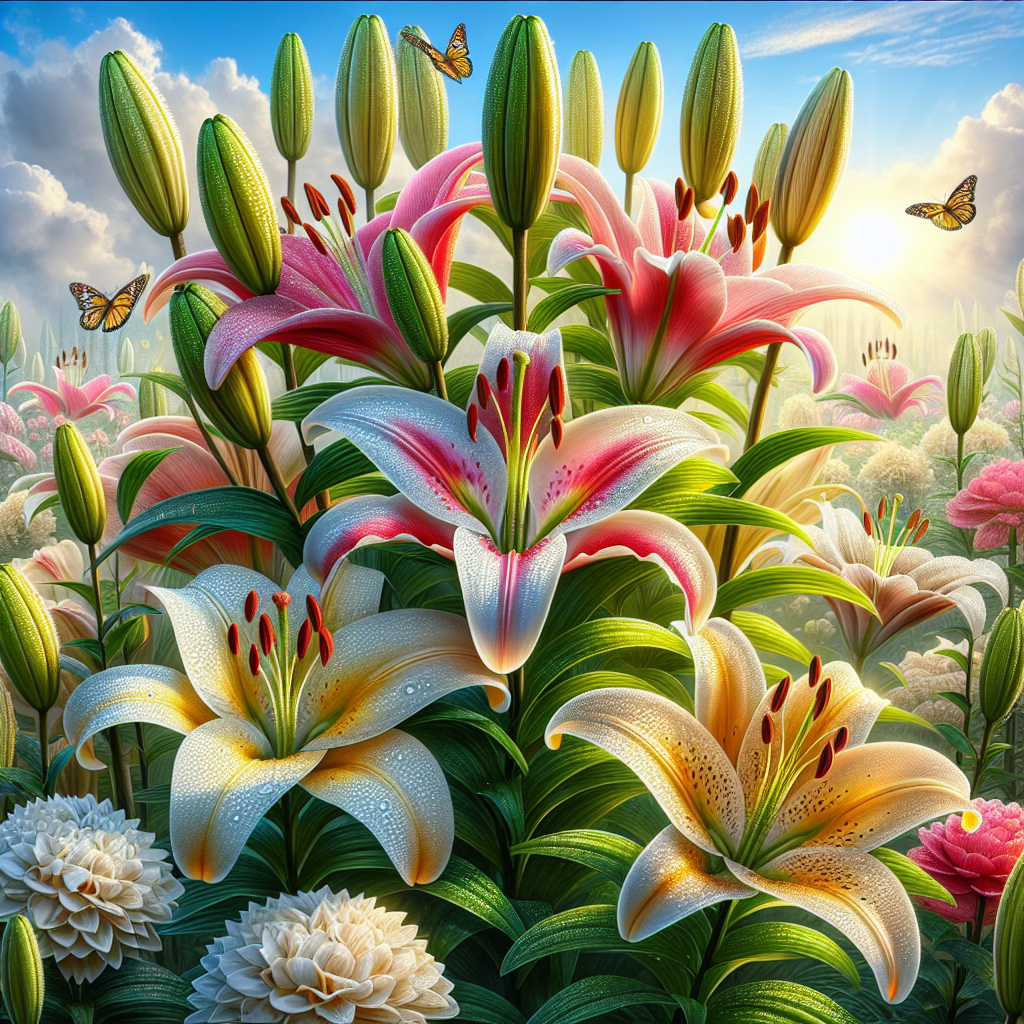
Lilies are some of the most stunning and versatile flowers in the garden, combining elegance, fragrance, and striking colors. For homeowners and gardening enthusiasts in Florida, the tropical climate presents unique opportunities and challenges for cultivating these beautiful blooms. This comprehensive guide covers everything you need to know about growing lilies in Florida, catering to novice and seasoned horticulturists alike.
What Are Lilies?
Lilies (genus Lilium) belong to the family Liliaceae and are perennial plants characterized by large, prominent flowers with six petal-like tepals. These bulbous plants come in various shapes, sizes, and colors, making them a favorite for garden beds, borders, and cut flower arrangements. The most popular species include:
- Asiatic Lilies: Known for their vibrant colors and hardy nature.
- Oriental Lilies: Famous for their fragrance and large flowers.
- Trumpet Lilies: Tall with trumpet-shaped blooms, ideal for back borders.
- Easter Lilies: Traditionally associated with Easter celebrations, they have striking white flowers.
Why Grow Lilies in Florida?
Florida’s warm, subtropical climate offers favorable growing conditions for many lily varieties. Here are several reasons why you might consider adding lilies to your garden:
- Diversity: Lilies come in a wide range of colors, sizes, and bloom times, allowing for creative planting options.
- Attract Pollinators: Their fragrance and nectar-rich blooms attract bees, butterflies, and hummingbirds, promoting biodiversity.
- Low Maintenance: Once established, lilies require minimal care, making them suitable for busy gardeners.
- Long Blooming Season: With the right varieties, you can enjoy blooms from spring through late summer.
Choosing the Right Lily Varieties for Florida
What Should I Look for When Selecting Lily Varieties?
When selecting lilies for your Florida garden, consider the following factors:
-
Climate Suitability: Some lilies thrive better in the Florida climate than others.
- Asiatic Lilies: These are hardy and adapt well to the humid Florida environment.
- Trumpet Lilies: Another robust option, they can handle heat and humidity.
- Oriental Lilies: They perform well in moist soils and offer a lovely fragrance.
- Daylilies: Technically not true lilies, daylilies (genus Hemerocallis) are extremely hardy and flourish in Florida gardens.
-
Bloom Time: Select different varieties that bloom at various times to extend your garden’s flowering season.
-
Color Preferences: Lilies are available in colors ranging from whites and yellows to deep reds and purples. Choose a palette that complements your landscape design.
-
Plant Height: Think about where you’ll plant them. Taller varieties can serve as backdrops or screens, while shorter ones make excellent front border plants.
Do Certain Varieties Perform Better?
Indeed, certain varieties tend to excel in Florida’s climate due to the state’s unique soil and weather conditions.
-
Asiatic Lilies generally perform very well and are known for their robustness and vibrant colors. They can thrive in various soil types and require less water compared to other variants.
-
Tiger Lilies are also suited to Florida weather and are recognized for their distinctive orange blooms and dramatic speckled patterns.
Preparing Your Garden for Lilies
How Should I Prepare the Soil?
Good soil preparation is crucial for growing healthy lilies. Follow these steps:
-
Choose a Well-Drained Location: Lilies thrive in locations with good drainage to prevent the bulbs from rotting. If your area tends to hold water, consider raised beds or amend the soil with sand or compost.
-
Soil Testing: Before planting, test your soil’s pH. Lilies prefer a slightly acidic to neutral pH level (6.0 to 7.0).
-
Improving Soil Quality: Loamy soil is ideal. You can improve your planting area by adding organic matter, such as compost or well-rotted manure, which enriches the soil and aids in drainage.
-
Fertilization: Use a balanced fertilizer, preferably one with a higher phosphorus content (e.g., 5-10-5) to promote strong root development and blooming.
When Should I Plant Lilies?
The best time to plant lilies in Florida is in the fall (September to October) or early spring. Planting during these times enables the bulbs to establish roots before the summer heat sets in.
Planting Lilies
What is the Proper Planting Technique?
-
Bulb Preparation: Check the bulbs for softness or rot. Healthy bulbs should feel firm and plump.
-
Spacing: Plant bulbs 6 to 12 inches apart, depending on the variety. Taller strains require more space to support their height without competing for nutrients and water.
-
Depth: Dig a hole about 6 to 8 inches deep for standard lilies. For smaller varieties, a depth of 4 to 6 inches should suffice.
-
Positioning: Place the bulb with the pointed end facing up. Cover it with soil and gently firm it down to remove any air pockets that could lead to rot.
-
Watering: After planting, water thoroughly but avoid waterlogged conditions. The initial watering should establish moisture in the soil.
Caring for Your Lilies
What Maintenance Do Lilies Require?
-
Watering: Lilies require consistent moisture, especially during the growing season. Water once a week or more frequently during dry spells, ensuring that the soil remains moist but not soggy.
-
Mulching: Applying a layer of organic mulch can help retain moisture and regulate soil temperature. It also suppresses weeds.
-
Fertilizing: Feed your lilies with a balanced fertilizer every 4 to 6 weeks during the growing season. As the flowers fade, switch to a low-nitrogen formula to promote bulb health.
-
Pruning and Deadheading: Once blooms fade, remove spent flowers to encourage further blooming. At the end of the growing season, cut back the stems to ground level to promote healthy growth the following year.
How Do I Prevent Pests and Diseases?
-
Common Pests: The most common pests affecting lilies in Florida include aphids, spider mites, and lily leaf beetles. Monitoring your plants regularly can help catch infestations early. Use insecticidal soap or neem oil for management.
-
Fungal Diseases: Good air circulation and proper watering techniques can minimize the risk of fungal diseases such as botrytis blight and root rot. If fungal infections do occur, remove affected foliage and avoid overhead watering.
-
Companion Planting: Consider grouping plants that deter pests, such as marigolds or garlic, around your lily beds.
Propagation Techniques
How Can I Propagate Lilies?
-
Bulb Division: After a few years, lilies may produce offsets. Gently dig around the bulb and separate these offsets, planting them in a new area or pot.
-
Seed Propagation: While growing from seeds is less common due to the long germination period, it can be done. Collect seeds from spent flowers, sow them in well-drained soil, and provide a humidity dome until they sprout.
Seasonal Considerations
How to Prepare Lilies for Different Seasons?
Summer: In Florida, the heat can become intense. Ensure your lilies are adequately watered and consider shade cloth for newly planted varieties.
Fall: The best time for planting lilies. Begin your planting activities in September to give bulbs time to settle.
Winter: Although Florida winters are mild, occasional cold snaps can occur. A layer of mulch can help protect your bulbs during these cold periods.
Spring: Fertilize and deadhead to encourage new growth.
Frequently Asked Questions
Can I Grow Lilies in Containers?
Yes! Growing lilies in containers is an excellent way to manage soil quality and drainage. Choose pots at least 12 to 18 inches deep, and ensure they have drainage holes.
Are Lilies Toxic?
Yes, certain lilies, particularly in the Lilium genus, can be toxic to cats. Signs of poisoning include vomiting, loss of appetite, and lethargy. If you have pets, consult your veterinarian before planting lilies.
How Long Will My Lilies Last?
Once planted, lilies can bloom for several weeks, particularly if they are deadheaded regularly. The bulb can live and bloom yearly for several years, and as long as the conditions are favorable, they can thrive indefinitely.
Can I Save Bulbs After Blooming?
Absolutely! After the growing season, allow the foliage to die back naturally. This process helps the bulb store energy for the next year. Once the leaves are brown, you can remove them and store the bulbs in a cool, dry place until the next planting season.
Conclusion
Growing lilies in Florida can be a rewarding venture, yielding stunning blooms that enhance any garden space. With the subtropical climate, diverse lily varieties, and proper care techniques outlined in this guide, your garden will be a vibrant display of color and fragrance. By understanding the unique growing conditions and challenges of Florida, you can create a flourishing habitat for these magnificent plants. Embrace the joy of gardening, and let your lilies thrive in the Sunshine State! Happy gardening!