
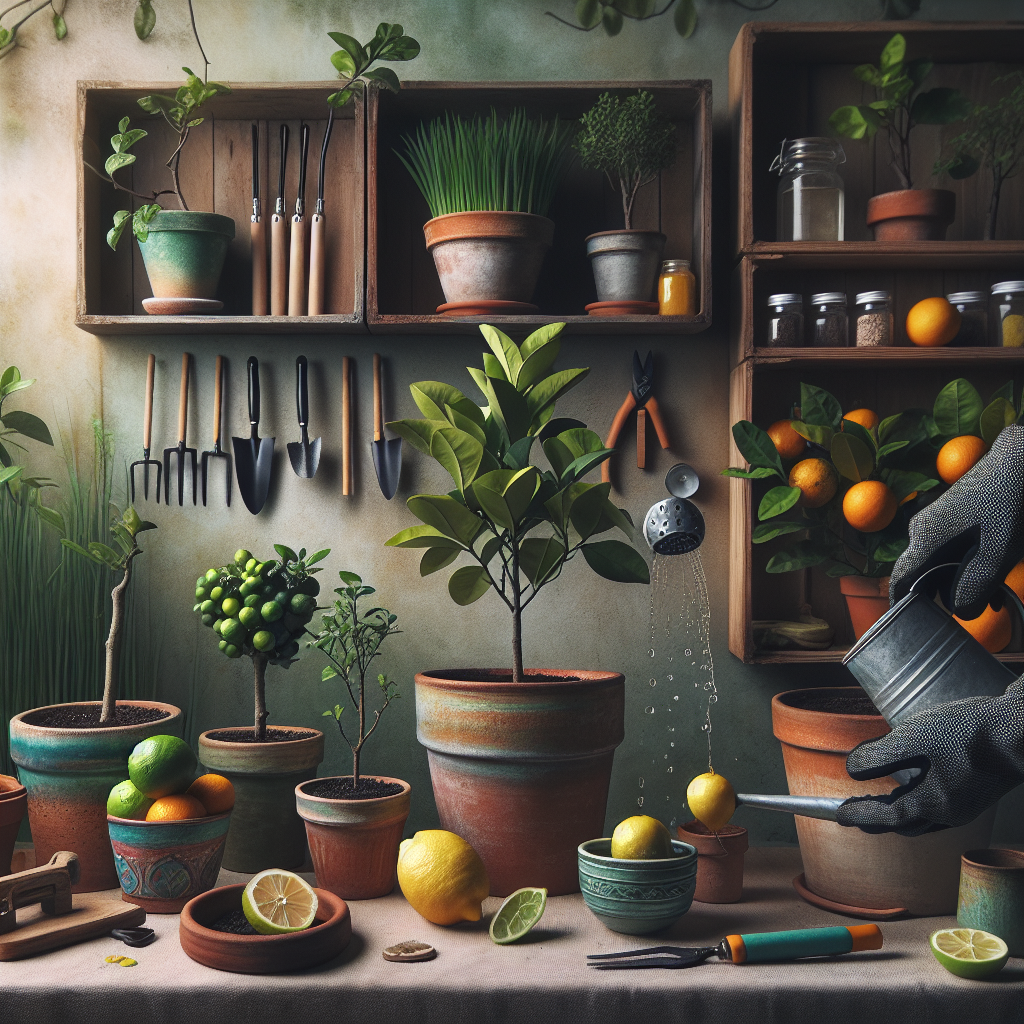
Citrus trees are among the most beloved plants for home and garden enthusiasts, famed not only for their aromatic blossoms and vibrant foliage but also for the delightful fruits they bear. While traditionally grown in expansive orchards and backyards, citrus trees can flourish beautifully in containers, making them accessible for urban dwellers or those with limited gardening space. In this article, we’ll explore the ins and outs of growing citrus in containers, addressing common questions and providing detailed information for successful cultivation.
Why Grow Citrus in Containers?
Before diving into the specifics, let’s explore the advantages of container gardening for citrus:
-
Space Efficiency: Container gardening allows you to grow citrus trees even in small spaces like balconies, patios, or even indoors.
-
Controlled Environment: With containers, you have more control over soil, drainage, and environmental conditions, which can lead to better overall health for your plants.
-
Mobility: Container-grown trees can be moved to optimize sunlight exposure and shelter them from extreme weather.
-
Season Extension: For colder climates, bringing citrus indoors in the winter allows you to extend the growing season and protect your trees from frost.
Selecting the Right Citrus Varieties
Not all citrus trees are equally suited for container growth. When picking a variety, consider the following:
-
Dwarf Varieties: Look for dwarf types, as they are naturally smaller and more manageable in pots. Some popular dwarf citrus varieties include:
- Calamondin Orange: A small, sour fruit perfect for cooking or cocktails.
- Kaffir Lime: Known for its aromatic leaves, great for Thai cuisine.
- Meyer Lemon: A cross between a lemon and a mandarin; sweeter and more fragrant than standard lemons.
- Tangerines and Mandarins: Easy to grow and generally produce abundant fruit.
-
Cold Hardiness: If you live in a region with cold winters, consider cold-hardy varieties like the ‘Improved Meyer Lemon’ or ‘Gold Nugget Mandarin’.
Ideal Varietal Questions:
-
What citrus fruits can I grow indoors?
- Varieties like the Meyer Lemon and Calamondin Orange are well suited for indoor container growth.
-
Are dwarf citrus varieties available?
- Yes, many nurseries offer dwarf varieties specifically bred for container growth.
Choosing the Right Container
The choice of container plays a significant role in the health and productivity of your citrus trees. Here’s what to consider:
Size Matters
Selecting the right pot size is crucial; too small and the roots may become bound, too large and the soil can retain excess moisture.
- Starting Young Plants: Begin with a pot that is at least 12 inches in diameter for smaller trees.
- Mature Trees: Ultimately, a 16 to 20-inch pot is ideal as your tree grows.
Material Composition
Containers come in various materials such as clay, plastic, wood, and metal:
- Clay Pots: Provide excellent aeration but can dry out quickly.
- Plastic Pots: Retain moisture but may not provide the same aesthetic appeal.
- Wooden Planters: Offer good insulation but can deteriorate over time.
Drainage Is Key
Ensure your container has adequate drainage holes; without them, roots can rot due to excess water retention. Consider using a tray underneath to catch water runoff.
Container Questions:
-
What type of container is best for citrus?
- A lightweight, durable plastic container or clay pot with good drainage holes.
-
How often do I need to repot my citrus tree?
- Repot every 2-3 years or when the roots begin to outgrow the container.
Soil Requirements
The soil you choose can significantly impact the growth and health of your container-grown citrus. Here are some guidelines:
Well-Draining Soil
Citrus trees thrive in well-draining, slightly acidic soil. A good mixture would be:
- Potting Soil: Look for high-quality potting mixes with a pH between 5.5 and 6.5.
- Citrus-Specific Mix: Many garden centers offer mixes specifically formulated for citrus.
Adding Organic Matter
Incorporating organic matter can improve soil structure and nutrient content:
- Compost: Use well-aged compost to enhance nutrient availability.
- Perlite/Pumice: Adding these ingredients improves drainage and aeration.
Soil Questions:
-
Can I use garden soil?
- It’s not recommended, as garden soil may compact in containers and lacks the necessary drainage properties.
-
What soil amendments should I consider?
- Besides compost, consider adding a slow-release nitrogen fertilizer to support growth.
Watering Practices
Understanding how to water your citrus tree in containers is vital:
Frequency
Container-grown citrus requires more regular watering than trees grown in the ground due to faster evaporation and drainage.
- Deep Watering: Water deeply until the soil is moist but not soggy, allowing the top inch to dry out between waterings.
Best Time to Water
Watering in the morning allows for evaporation of excess moisture, reducing the risk of root rot.
Watering Questions:
-
How do I know when to water my citrus tree?
- Check the top inch of the soil; if it feels dry, it’s time to water.
-
Can I use tap water for my citrus?
- Yes, but allow it to sit for 24 hours so chlorine can dissipate. Rainwater is also an excellent option.
Fertilization Needs
Citrus trees have specific nutritional requirements that need to be met for optimal health and fruit production.
Choosing Fertilizers
Use a balanced fertilizer specifically formulated for citrus, usually containing nitrogen, phosphorus, and potassium (N-P-K), as well as micronutrients:
- Frequency: Fertilize every 4-6 weeks during the growing season (spring to summer) and reduce to once every 8 weeks in fall and winter.
Organic Options
Organic fertilizers, such as compost tea, fish emulsion, or blood meal, can provide nutrients without the risk of chemical burn.
Fertilization Questions:
-
What type of fertilizer is best for container citrus?
- A balanced, slow-release fertilizer with micronutrients is optimal.
-
Is it possible to over-fertilize?
- Yes, excessive fertilizer can lead to leaf burn and root damage. Always follow recommended dosage instructions.
Pruning and Training Your Citrus Tree
Proper pruning and training are essential for maintaining the shape, size, and health of your container-grown citrus tree.
Pruning Techniques
- Remove Dead or Diseased Branches: Always keep the tree healthy by inspecting and trimming off any dead sections.
- Encourage Air Circulation: Open up the center of the tree to allow for air circulation and sunlight to penetrate.
- Shape the Tree: For more bushy growth, pinch back new growth; for a taller tree, prune to remove lower branches.
When to Prune
- Pruning should be done in late winter or early spring before new growth begins.
Pruning Questions:
-
How much can I prune?
- Aim to remove no more than one-third of the tree in any single season to avoid stress.
-
Should I prune during fruiting?
- It’s best to avoid heavy pruning during the fruiting season to prevent shock.
Pollination for Container Citrus
Citrus trees are generally self-pollinating; however, if you’re growing them indoors or in an area with limited pollinator activity, you may need to lend a hand.
Hand Pollination
Using a small brush or your fingertip, gently transfer pollen from the stamens to the stigma of the flowers.
Pollination Questions:
-
Do I need more than one tree for fruit production?
- No, most citrus varieties are self-pollinating, but having multiple trees can lead to increased fruit sets.
-
How can I attract pollinators to my garden?
- Planting flowers such as lavender, sage, and marigolds nearby can help attract bees and other beneficial insects.
Managing Pests and Diseases
While container gardening reduces some pest issues, citrus trees can still fall prey to certain pests and diseases.
Common Pests
- Aphids: These small, sap-sucking insects can be dealt with by spraying insecticidal soap or neem oil.
- Spider Mites: Look for fine webs and stippling on leaves; increase humidity and wash them off with a strong water spray.
Disease Management
Citrus trees can experience root rot, particularly due to overwatering.
- Preventive Measures: Ensure good drainage and water correctly. Also, avoid injuries to the roots during repotting.
Pest and Disease Questions:
-
What should I do if I find pests?
- First, identify the pest and treat accordingly with pesticides or home remedies.
-
Is it safe to use chemical pesticides on fruit-bearing trees?
- It is generally advised to avoid chemical pesticides close to harvesting; organic options are safer.
Overwintering Your Container Citrus
For those living in colder climates, knowing how to overwinter your container citrus is essential to prevent frost damage.
Indoor and Outdoor Options
If temperatures drop below freezing:
-
Indoors: Move your container inside a cool, well-lit room. Ideally, temperatures should stay between 50-65°F.
-
Outdoor Protection: If you wish to keep them outdoors, insulate pots with bubble wrap or burlap and move them to a sheltered location.
Overwintering Questions:
-
How often should I water during winter?
- Reduce watering frequency as the plant’s growth slows, checking the soil moisture regularly.
-
Do I need to reduce fertilization during winter?
- Yes, suspend or reduce feeding until spring as the tree enters dormancy.
Harvesting Your Citrus Fruits
One of the most rewarding aspects of container citrus gardening is the anticipation and joy of harvesting your fruits.
When to Harvest
Citrus fruits typically ripen anywhere from several months to a year after flowering, depending on the variety:
- Visual Cues: Look for vibrant color and slight softness to the touch.
Harvesting Techniques
- Gentle Pulling: Use clippers or scissors to cut the fruit from the branch to avoid injury to the tree.
Harvesting Questions:
-
How can I tell when my fruit is ripe?
- Color, firmness, and aroma are good indicators; experience will help you learn the signs.
-
Will my tree produce fruit every year?
- Yes, under suitable conditions, most healthy citrus trees will produce fruit annually.
Conclusion
Growing citrus in containers opens a world of possibilities for gardeners of all skill levels, bringing the beauty and flavor of citrus fruits right to your doorstep. With the proper knowledge about variety selection, container choice, soil composition, watering practices, and pest control, you can enjoy a thriving citrus tree that not only beautifies your space but also provides delicious fruits.
So, whether you’re sipping fresh-squeezed lemonade from your Meyer lemons or enjoying the aroma of calamondin oranges in your kitchen, container-grown citrus brings joy and satisfaction, making gardening a rewarding adventure. Embrace the journey, ask questions, and, most importantly, enjoy the fruits of your labor!