
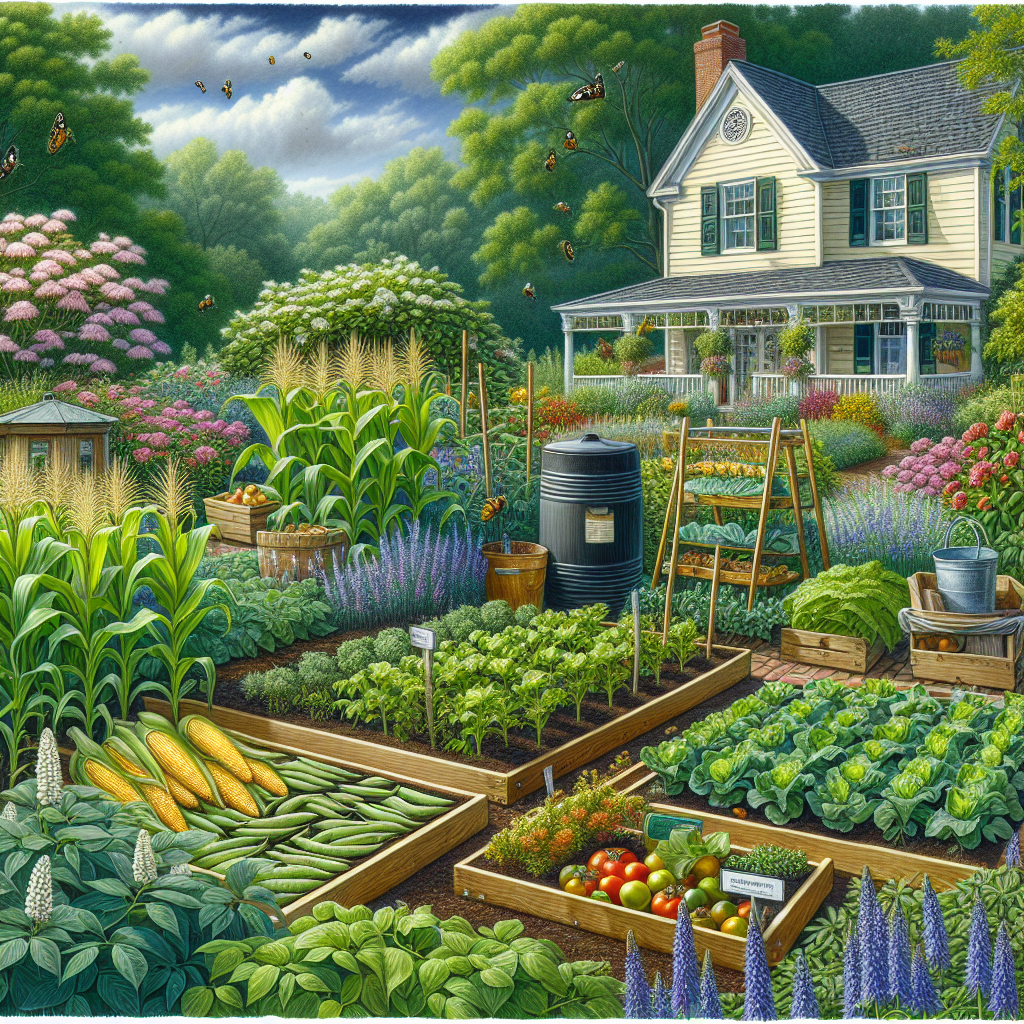
As the popularity of sustainable living practices continues to rise, more and more homeowners in Virginia are discovering the joys of edible landscaping. This innovative approach involves integrating food-producing plants into your existing landscape, creating a functional yet beautiful environment. If you’re interested in transforming your garden into an edible oasis, this article is for you. We will explore the many facets of edible landscaping in Virginia, answering common questions and offering tips to help you grow your own food right outside your door.
What is Edible Landscaping?
Edible landscaping combines traditional landscaping techniques with the inclusion of edible plants. This can include fruits, vegetables, herbs, and even edible flowers. The primary goal is to create a stunning outdoor space that also provides fresh, organic produce. When applied correctly, edible landscaping not only beautifies a property but also encourages self-sufficiency, reduces grocery bills, and promotes environmental sustainability.
Why Edible Landscaping?
-
Aesthetic Appeal: Edible plants can add vibrant colors and textures to your garden. Imagine colorful tomatoes, fragrant herbs, and beautiful berry bushes coming together to create a lush landscape.
-
Sustainability: Growing your own food significantly reduces your carbon footprint. By minimizing the amount of transported goods, you’re contributing to reducing pollution and helping the environment.
-
Health Benefits: Freshly harvested fruits and vegetables are packed with nutrients. By cultivating your own plants, you control the methods of cultivation, making it easier to grow organic produce minus harmful pesticides.
-
Cost-Effective: While there may be an initial investment in seedlings and supplies, growing your own food can quickly pay off, especially if you are an avid cook or enjoy eating seasonal produce.
What Plants Can Be Used for Edible Landscaping in Virginia?
The climate in Virginia offers a suitable environment for a multitude of edible plants, including but certainly not limited to:
-
Fruits: Apples, peaches, strawberries, blueberries, raspberries, and blackberries are great options. For instance, the ‘Honeycrisp’ apple tree not only offers delicious apples but also adds stunning fall foliage.
-
Vegetables: Leafy greens such as kale and Swiss chard grow well in Virginia. Other popular vegetables include tomatoes, peppers, cucumbers, and squash.
-
Herbs: Herbs such as basil, mint, rosemary, and thyme can be used as borders or ground cover. Many herbs are perennial, providing you with fresh seasonings year after year.
-
Nuts: Consider adding nut trees like pecans or walnuts if you have enough space. These not only yield delicious snacks but can also provide shade.
-
Flowers: Edible flowers, such as nasturtiums and pansies, add bursts of color and can be used in salads or as garnishes.
When is the Best Time to Start an Edible Garden in Virginia?
Understanding Virginia’s climate is crucial to successful gardening. The state has a diverse climate ranging from humid subtropical to temperate zones, making it essential to understand your specific location.
-
Spring: Late March to early June is the optimal time for planting most vegetables and herbs. Cool-season crops like peas, lettuce, and kale can be sown early in the season.
-
Fall: Early September is a great time to plant over-wintering crops like garlic, which will be ready for harvest the following summer.
-
Year-Round: Consider using hoop houses or cold frames for winter greens. With the right setup, you can enjoy fresh produce in the colder months.
What Are the Best Techniques for Edible Landscaping?
To maximize the benefits of your edible landscape, consider the following techniques:
1. Permaculture Principles
Permaculture focuses on designing agricultural systems based on the ecosystems found in nature. This method encourages biodiversity, mimicking natural systems to promote soil health and reduce pest problems. By integrating various edible plants, you can create a self-sustaining ecosystem.
2. Companion Planting
Certain plants, when grown together, can aid in pest control and improve yield. For example, growing marigolds alongside tomatoes can deter nematodes, while basil can enhance the flavor of tomatoes.
3. Vertical Gardening
If space is limited, consider vertical gardening. Utilize trellises, wall planters, or hanging pots to make the most of your available area. This approach not only saves space but also adds visual interest to your landscape.
4. Interplanting
Interplanting involves growing complementary crops close together. For instance, planting lettuce beneath tall tomato plants can reduce weeds and make the most of your space.
How to Plan Your Edible Landscape
1. Assess Your Space
Start by examining your yard. Take into account sunlight, water access, and soil quality. Understanding these factors will help you choose suitable plants.
2. Choose Plant Varieties
Once you have assessed your space, choose plants that are suited to your climate and soil conditions. Consult a local nursery or agricultural extension for guidance on native varieties that thrive in Virginia.
3. Design Layout
Sketch out a design for your edible garden. Consider aesthetics, accessibility, and companion planting principles. You may also want to organize spaces for seasonal plants, ensuring a continuous harvest throughout the year.
4. Soil Preparation
Healthy soil is key to a bountiful harvest. Test your soil for pH and nutrient levels. Based on the results, you may need to amend the soil with organic matter like compost or well-rotted manure.
5. Planting
Follow best planting practices for your chosen crops. Pay attention to spacing requirements, as overcrowding can limit growth and attract pests.
6. Maintenance
Regular weeding, watering, and harvesting will promote healthy plants. Incorporate organic pest management techniques and observe your garden regularly to catch any issues early.
What Are Some Common Challenges with Edible Landscaping?
1. Pests
Pests can be a significant challenge, especially in Virginia. Common pests include aphids, cabbage worms, and snails. Integrated pest management (IPM) strategies can be effective, such as introducing beneficial insects or using organic sprays.
2. Soil Quality
Poor soil quality can hamper plant growth. Regular soil tests can guide amendments, ensuring your plants receive the nutrients they need. Implementing crop rotation and mulching can further enhance soil health.
3. Climate Fluctuations
Virginia’s climate can be unpredictable, with sudden changes in rainfall and temperature. To mitigate this, plan for adequate drainage and consider using frost cloth or row covers for added protection.
How Can You Include Edible Landscaping in Small Spaces?
For those with limited yard space, edible landscaping can still be a viable option. Here are some creative solutions:
1. Containers
Use pots and containers to grow herbs, salad greens, and even dwarf fruit trees like ‘Patio Pride’ peaches. This approach allows for flexibility in placement and can easily fit on patios, balconies, or even window sills.
2. Community Gardens
Many urban areas have community gardens where residents can rent a plot to grow their own food. This arrangement can foster community engagement and provide an opportunity to learn from others.
3. Edible Front Yards
Transform your front yard into an edible oasis. This not only beautifies your home but also improves neighborhood awareness about sustainable practices. Select plants that are visually appealing, such as berry bushes or colorful vegetables, and integrate them into existing flower beds.
Involving the Community: Education and Inspiration
1. Workshops and Classes
Several organizations in Virginia, such as local conservation districts and gardening clubs, offer workshops on edible gardening. Attend these classes to learn about best practices, pest management, and seasonal planting.
2. Gardening Groups
Join local gardening groups or online forums to share experiences and successes. They’ll provide valuable tips and a sense of community as you navigate your gardening journey together.
3. School Programs
Many Virginia schools have implemented gardening programs where students learn about growing food, nutrition, and environmental sustainability. Consider advocating or volunteering for such initiatives in your community.
Conclusion: A Call to Action
Edible landscaping in Virginia is more than just a trend; it’s a movement towards sustainability, health, and self-sufficiency. Whether you have an expansive backyard or a small urban patio, there are numerous ways to incorporate edible plants into your landscape. As you step into this rewarding venture, remember to start small, be patient, and enjoy the fruits of your labor—literally!
So are you ready to roll up your sleeves and sow the seeds for a greener, more delicious future? Join the edible landscaping revolution today and transform your outdoor space into a thriving edible ecosystem. The joy of harvesting your home-grown vegetables and fruits is unmatched and will inspire not just you, but those around you. Happy gardening!