
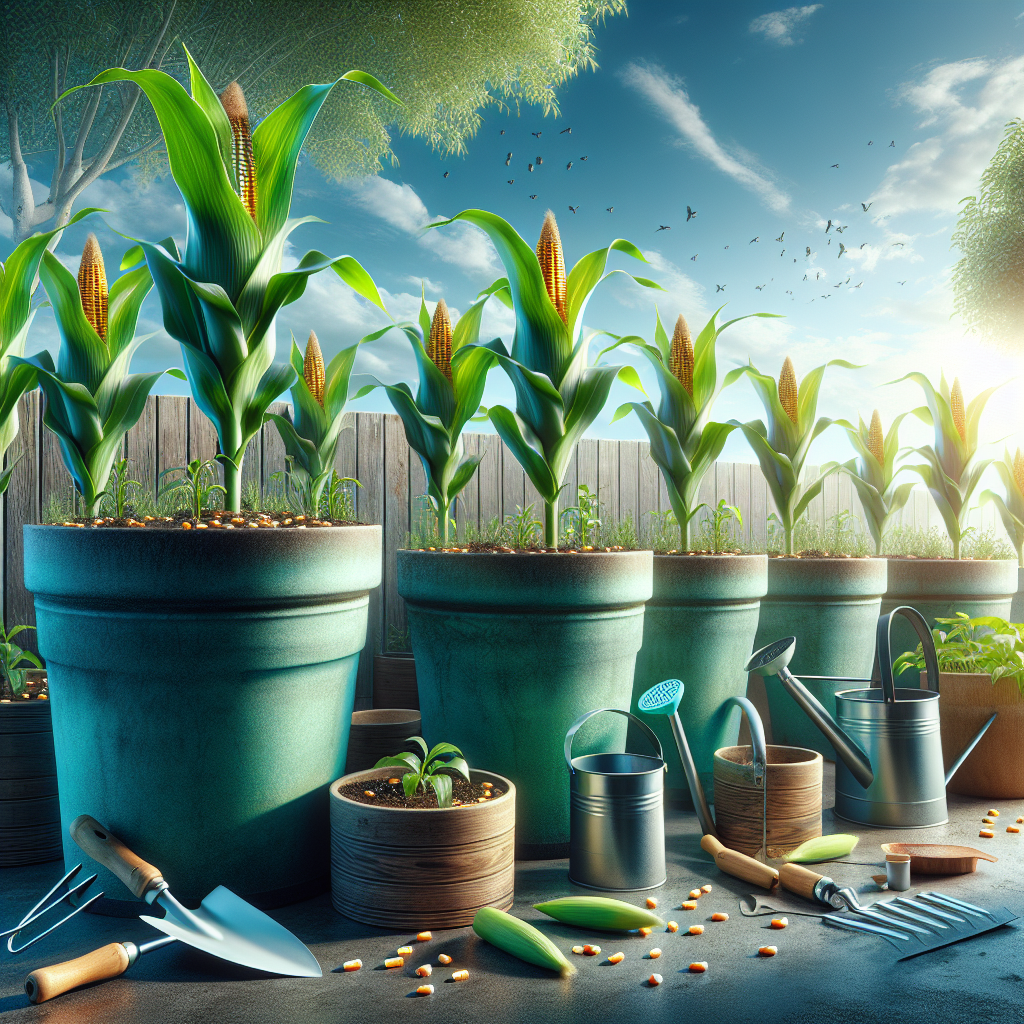
Container gardening is an excellent solution for those desiring fresh produce but lacking traditional garden space. Growing corn in containers may sound unconventional, but with the right approach, you can enjoy the sweet rewards of home-grown corn right from your balcony or patio. In this article, we’ll delve into everything you need to know about container gardening corn, providing you with detailed insights, practical tips, and answers to commonly asked questions.
Understanding Corn and Its Growth Requirements
What Is Corn?
Corn, or Zea mays, is a warm-season crop native to the Americas, known for its versatility and nutritional value. It comes in several varieties, including sweet corn, field corn, and ornamental corn, each with distinct uses and flavor profiles.
Why Grow Corn in Containers?
- Space Efficiency: Container gardening allows you to grow corn in small spaces, making it ideal for urban settings.
- Soil Control: Growing corn in containers enables you to control the soil quality, helping prevent pests and diseases.
- Mobility: You can reposition containers based on sunlight and weather conditions, optimizing growth.
- Aesthetics: Container gardening can contribute to your outdoor decor, adding visual appeal to your home.
Selecting the Right Containers
What Size Container Do I Need?
Corn requires ample root space to thrive. Choose containers that are at least 5 gallons in volume. A larger container allows more room for root growth, leading to healthier plants and better yields.
What Material Should My Container Be?
You may opt for various materials, including:
- Plastic: Lightweight, affordable, and available in various sizes.
- Ceramic: Offers aesthetic appeal but may be heavy and less insulated.
- Fiberglass: Durable and aesthetically pleasing, offering good insulation.
Ensure your container has adequate drainage holes to prevent root rot.
Selecting Corn Varieties for Container Gardening
Which Type of Corn Should I Grow?
While you can grow different types of corn in containers, sugar or sweet corn varieties are generally recommended for their compact growth habit and mouthwatering flavor. Here are a few suitable varieties:
- Sugar Buns: A prolific sweet corn variety suitable for smaller spaces.
- Sweetness: Sweet and tender, this variety grows well in containers.
- Golden Bantam: An heirloom variety, known for its delicious flavor and shorter height.
Soil Choices and Preparation
What Type of Soil Is Best for Corn in Containers?
Corn thrives in well-draining, nutrient-rich soil. Use a potting mix that contains:
- Peat Moss: Retains moisture while providing aeration.
- Perlite or Vermiculite: Enhances drainage and promotes root growth.
- Compost: Adds essential nutrients to nourish your plants.
You can also consider using a container-specific fertilizer to aid in nutrient retention.
How Do I Prepare the Soil?
- Fill the container: Leave a few inches of space at the top for watering.
- Mix in fertilizers: Blend in slow-release organic fertilizers like bone meal or blood meal to promote growth.
Germinating Corn Seeds
How Do I Start My Corn Seeds?
For optimal germination, consider the following steps:
- Timing: Sow corn seeds when soil temperatures are consistently above 60°F (15.5°C). This typically falls between late spring and early summer.
- Planting: Sow seeds about 1 inch deep and 4-6 inches apart. If using a larger container, you can plant 2-3 seeds per hole for better pollination.
- Watering: Water lightly to moisten the soil but avoid overwatering, which can cause seeds to rot.
How Long Does It Take for Corn Seeds to Germinate?
Corn seeds typically germinate within 7-10 days, depending on temperature and moisture levels.
Growing Conditions and Care
What Are the Ideal Growing Conditions for Corn?
- Light: Corn requires full sun for at least 6-8 hours a day. Ensure your container is placed accordingly.
- Water: Corn is a thirsty crop. Water your corn consistently, aiming for about 1 inch of water per week. Ensure the soil is moist but not waterlogged.
What Common Issues Should I Be Aware Of?
-
Pests:
- Corn Earworms: Keep an eye out for these pests. Employ organic pest control methods like neem oil if needed.
- Aphids and Spider Mites: Spraying the plants with water and introducing beneficial insects can help.
-
Diseases:
- Fungal Infections: Ensure good air circulation and avoid overhead watering to minimize fungal diseases.
How Can I Encourage Pollination?
Corn is wind-pollinated, meaning proper spacing between plants is essential. If you’re growing only a few plants, gently shake them or use a soft brush to transfer pollen from the tassels to the ears to enhance yield.
Should I Fertilize My Corn?
Yes! Fertilize corn approximately every 4-6 weeks with a balanced fertilizer. Look for one that has a higher nitrogen content, as corn requires this nutrient for robust growth.
Harvesting Corn
When Is the Right Time to Harvest Corn?
Determining the perfect harvest time is crucial for enjoying the sweetest kernels. Corn is typically ready for harvest when:
- Silks turn brown: Look for dried silk emerging from the ears.
- Kernels are plump: Gently squeeze a kernel; it should release a milky liquid if ready.
How Do I Harvest Corn?
- Grab the ear: Hold the corn while twisting it downward.
- Snap it off: Use a sharp twisting motion to detach it from the stalk.
Common Questions
Can I grow corn in a vertical garden setup?
While corn is generally a large plant, smaller varieties can be trained upwards on a trellis. However, this requires regular attention and may affect yield.
How much corn can I grow in one container?
In a 5 to 7-gallon container, you can generally plant 3 to 5 corn plants. The more space you allocate, the larger the yield.
What if my corn won’t grow tall?
Corn typically grows taller than other plants. If it’s stunted, check the watering schedule, nutrient availability, and sunlight exposure.
Can I grow corn indoors?
While it’s more challenging to grow corn indoors due to its height and lighting needs, dwarf varieties can thrive in a sunlit area if provided with sufficient care.
Is it possible to save corn seeds for future planting?
Yes, you can save seeds from open-pollinated varieties. Ensure the kernels are fully matured, dry them adequately, and store them in a cool, dry place.
Conclusion
Container gardening corn is not only feasible; it can be a delightful endeavor that brings fresh produce right to your home. From selecting the right container and corn varieties to mastering care tips and harvesting techniques, cultivating corn in a confined space can be rewarding. It takes planning, attention to detail, and a little patience, but the joy of biting into sweet, home-grown corn will make the effort worthwhile. Whether you have a small patio or a roof deck, embrace the adventure of growing corn in containers, and enjoy the fruits of your labor right at your dining table. Happy gardening!