
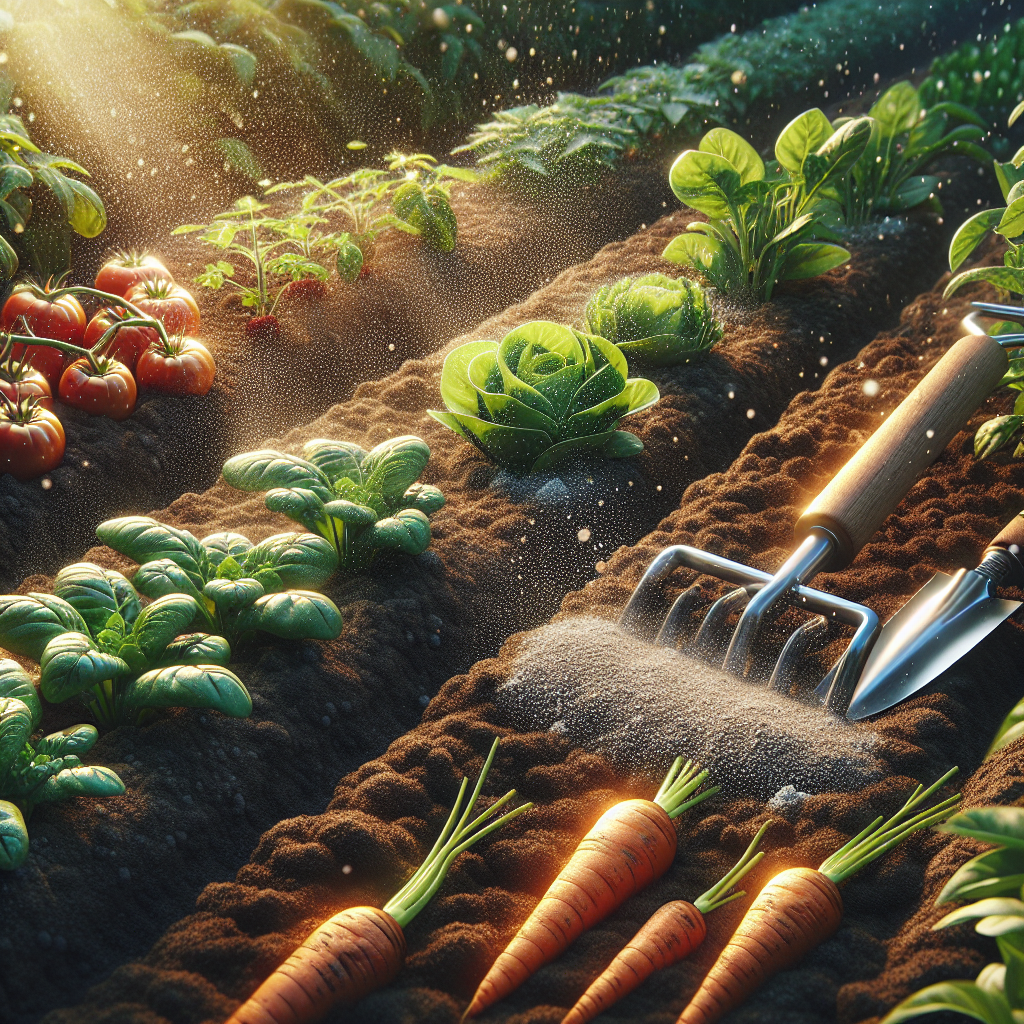
Gardening is a deeply rewarding endeavor, especially when it comes to growing your own vegetables. The satisfaction of harvesting fresh produce from a garden you’ve nurtured is unparalleled. However, to achieve a bountiful harvest, one must consider various factors—soil health being one of the most crucial. Aeration is a process that can vastly improve soil health and is therefore essential for a thriving vegetable garden. In this comprehensive guide, we will delve into everything you need to know about aerating your vegetable garden.
What is Soil Aeration?
Soil aeration is the process of introducing air into the soil. It increases the amount of oxygen available to plant roots, promotes beneficial microbial activity, improves drainage, and can combat soil compaction. Compacted soils require aeration because they restrict root growth, reduce water infiltration, and limit the movement of nutrients.
Why is Soil Aeration Important?
-
Enhances Root Growth:
Roots need oxygen to thrive. When soil is compacted, the oxygen levels decrease, which can hinder root development. Proper aeration promotes healthier and more extensive root systems. -
Improves Nutrient Uptake:
Aeration enhances the soil’s ability to absorb nutrients. Well-aerated soil encourages beneficial microbes, which break down organic matter and convert these nutrients into forms that plants can easily access. -
Promotes Drainage:
Aerated soil allows water to percolate more effectively, reducing the risk of overwatering and root rot. This is particularly important in regions prone to heavy rainfall. -
Encourages Beneficial Microorganisms:
Healthy soils are teeming with life. Aeration fosters the conditions that allow beneficial fungi, bacteria, and other organisms to flourish, which helps maintain soil health. -
Reduces Soil Compaction:
Heavy foot traffic, machinery, and even the weight of plants can compact soil over time. Aeration prevents the adverse effects of compaction, helping to maintain an ideal growing environment.
Types of Aeration Techniques
There are several methods of aerating your vegetable garden. The technique you choose will depend on your garden’s size, soil type, and your personal preference. Below are the most commonly used methods:
1. Manual Aeration with a Garden Fork
What You Need:
- A garden fork or pitchfork.
How to Do It:
- Insert your fork into the soil to a depth of about 4-6 inches.
- Lift the fork slightly, without turning the soil over, and pull it back out.
- Repeat this process in a grid pattern across your garden beds, spacing about 6 inches apart.
Benefits:
This method is ideal for smaller gardens and allows precise control. It’s excellent for lifting compacted soil without excessive disturbance, promoting root expansion.
2. Core Aerators
What You Need:
- A manual or motorized core aerator.
How to Do It:
- Operate the aerator over your garden beds. It will remove small plugs of soil, or cores, leaving holes in the surface.
- Leave the extracted cores on the surface; they will decompose and add organic matter back into the soil.
Benefits:
Core aeration is effective for managing larger areas and offers significant benefits for heavily compacted soils. The open spaces improve airflow and water infiltration.
3. Spike Aerator
What You Need:
- A spike aerator, which can be rented or purchased.
How to Do It:
- Roll the spike aerator over your soil to create holes, usually about ½ inch in diameter.
Benefits:
Spike aerators are less disruptive than core aerators but may not be as effective in relieving compaction.
4. Natural Methods (Cover Crops and Mulching)
What You Need:
- Cover crop seeds (like clover).
- Organic mulch (straw, wood chips).
How to Do It:
- Plant cover crops during the off-season to enhance aeration naturally.
- Apply a layer of organic mulch to retain moisture and gradually improve soil structure as it breaks down.
Benefits:
These methods are beneficial for long-term soil health and provide added advantages, like preventing weeds and enriching the soil.
5. Aeration with Worms: Vermicomposting
What You Need:
- A worm bin or compost pile.
How to Do It:
- Set up a worm bin to decompose kitchen waste.
- Spread finished vermicompost into your garden to aerate and enrich the soil.
Benefits:
Worms naturally aerate the soil as they burrow, bringing nutrients and organic matter with them.
When Should You Aerate Your Vegetable Garden?
The timing of aeration is crucial for maximizing its effectiveness. Here are some guidelines:
Spring
- Best Timing: At the beginning of the growing season when the soil is moderately moist but not wet.
- Why: Aerating in spring encourages root growth before the heat of summer sets in.
Fall
- Best Timing: After the harvest but before the first frost.
- Why: This allows your soil to recover and improve over the winter months, making it ready for spring planting.
Mid-Summer
- Best Timing: If you notice compacted areas in mid-summer, light aeration can relieve stress on your plants.
- Why: This ensures that your vegetable plants are able to absorb enough nutrients and water during their most active growth phase.
How to Know if Your Soil Needs Aeration?
Indicators of Compacted Soil
-
Poor Drainage:
Water pooling or not soaking into the soil indicates compaction. -
Poor Plant Growth:
Stunted growth or yellowing leaves could signal insufficient root access to nutrients or oxygen. -
Heavy Foot Traffic:
Areas of soil that have been walked on frequently, especially in wet conditions, are more prone to compaction. -
Cracked Surface:
Dry, cracked soil can signal that water infiltration is poor, often due to compaction beneath.
Frequently Asked Questions
Q: How often should I aerate my vegetable garden?
A: Generally, it’s recommended to aerate once a year. However, high-traffic areas may need more frequent aeration, while clay soils might benefit from aeration every 6 months.
Q: Can I aerate my garden too much?
A: Yes, excessive aeration can disturb soil organisms and lead to instability in soil structure. Aim for a balanced approach and avoid aerating during wet conditions.
Q: Is it necessary to fertilize after aeration?
A: Aeration creates ideal openings for nutrients to penetrate the soil. While it is not strictly necessary, applying a balanced organic fertilizer after aeration can optimize nutrient availability.
Q: What are the best times of year for aerating a vegetable garden?
A: Spring and fall are the best seasons, as the soil is moist, which helps promote efficient aeration. Summer can be an appropriate time for light aeration if needed.
Q: Can I aerate my vegetable garden after every rainfall?
A: It’s best to wait until the soil has dried slightly. Constant aeration on wet soil can cause more harm by further compacting the soil structure.
Q: Do I need to aerate my raised beds?
A: While raised beds can alleviate some compaction, they may still benefit from occasional aeration, especially if packed too tightly. Use a garden fork to gently aerate these beds.
Additional Tips for Healthy Vegetable Garden Aeration
Using Organic Mulch
After aeration, consider applying a layer of organic mulch to retain moisture, suppress weeds, and gradually improve soil structure over time.
Monitoring Soil Moisture
Regularly check soil moisture levels before aerating. Overly wet soil can lead to more compaction, while dry soil may be too hard to aerate effectively.
Testing Your Soil
Conduct soil tests to understand the composition and pH. This will help in making informed decisions about amendments and aeration methods required.
The Role of Earthworms
Reintroducing natural inhabitants like earthworms can significantly improve aeration and enhanced nutrient cycling in your garden. Hosting a ‘worm day’ by adding them to freshly aerated beds can accelerate your soil’s health.
Conclusion
Aerating your vegetable garden is a simple yet effective way to improve soil health, enhance nutrient uptake, and encourage robust plant growth. Understanding the various methods of aeration, knowing when to do it, and recognizing the signs of soil compaction will empower you to create a flourishing vegetable garden year after year. With these insights, your gardening efforts can yield richer, healthier plants and ultimately deliver a bountiful harvest. Enjoy the journey of nurturing your green sanctuary, and let healthy soil pave the way for productive gardening!