
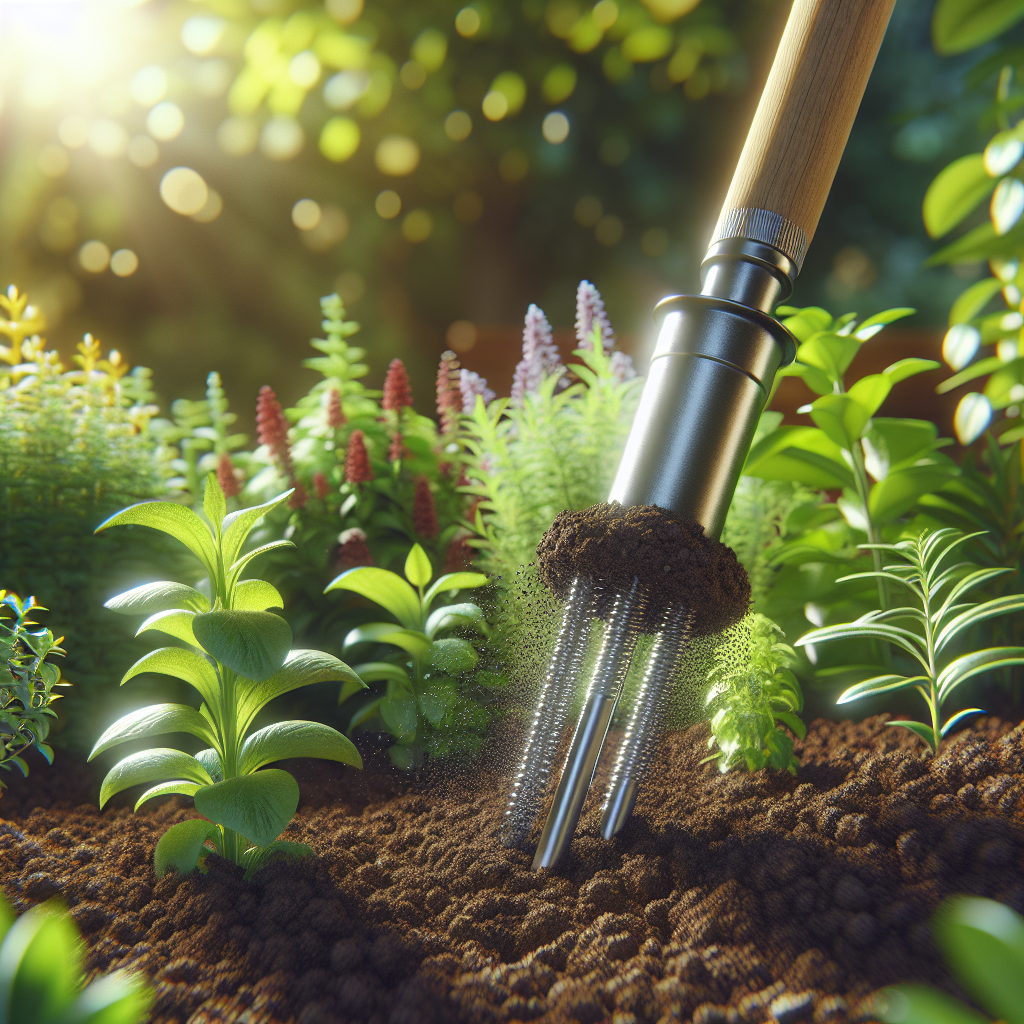
Gardening is an enduring passion for many, a source of joy and a means of nurturing life. Whether you are a seasoned gardener or a beginner, understanding the importance of soil health is vital for cultivating a thriving garden. One of the most effective methods to enhance the vitality of your garden beds is aeration. In this article, we’ll dive deep into the process of aerating your garden beds, explore its benefits, and provide you with essential information to implement this practice successfully.
What Is Soil Aeration?
Soil aeration refers to the process of loosening and perforating the soil to allow air, water, and nutrients to penetrate deeper into the ground. The primary aim of aeration is to break up compacted soil, enhancing root growth and improving plant vitality. This process can be particularly beneficial in garden beds, where healthy soil is crucial for the optimal development of plants.
Why Is Aeration Important?
-
Improves Nutrient Absorption: Aerating soil creates spaces for air and water to move freely, allowing roots to access essential nutrients. Plants thrive on a well-aerated soil that can deliver sufficient nourishment.
-
Enhances Water Infiltration: Compacted soil can lead to water runoff and poor drainage. Aeration allows water to absorb more effectively into the earth, promoting moisture retention for your plants.
-
Promotes Healthy Root Development: When roots can breathe, they grow deeper and stronger. Aeration results in healthier root systems, enabling plants to absorb water and nutrients more efficiently.
-
Encourages Beneficial Microorganisms: The presence of air within the soil supports a healthy colony of microorganisms that play a crucial role in breaking down organic matter, fixing nitrogen, and decomposing materials. This supports plant life.
-
Reduces Soil Compaction: Over time, soil can become compacted due to foot traffic, equipment, and natural settling. Aerating loosens up compacted areas, creating a better environment for root systems.
How Often Should You Aerate Your Garden?
The frequency of aeration depends on several factors including:
-
Soil Type: Clay soils tend to compact more easily than sandy or loamy soils, often requiring more frequent aeration.
-
Plant Density: The more densely planted your garden, the more opportunity there is for soil compaction. This triggers the need for regular aeration.
-
Water Management: If your garden often experiences puddles after rainfall, this might indicate compacted soil that requires aeration.
As a rule of thumb, aerating garden beds once or twice a year is generally adequate. The best time to aerate is before planting in the spring or in the fall after the growing season.
Different Methods of Aerating Garden Beds
There are diverse approaches you can take to aerate your garden beds, each catering to different needs, available tools, and types of soil.
1. Core Aeration
Core aeration is one of the most effective methods, especially for compacted soils. This involves removing small cores of soil to create holes in the ground.
How to Perform Core Aeration:
- Use a core aerator tool, which can be rented from garden stores or purchased for personal use.
- Walk across your garden bed slowly, applying even pressure to the aerator, which will pull out soil cores.
- Space the cores approximately 4-6 inches apart for optimal results.
- After core aeration, let the removed soil cores decompose on the surface as this will return nutrients back to the soil.
2. Spike Aeration
Spike aeration uses a spiked tool to pierce the soil, creating holes without removing any soil. This is a simpler method but is best suited for less compacted soils.
How to Perform Spike Aeration:
- Gather a spike aerator or make one using a flat board with nails driven through.
- Walk across the garden bed, pressing the spikes into the soil to create small holes.
3. Manual Aeration Using a Garden Fork
For smaller garden beds or for those who prefer a hands-on approach, using a garden fork is a simple and effective method.
How to Perform Manual Fork Aeration:
- Use a garden fork to carefully penetrate the soil, twisting the fork to create space.
- Space each entry point about 6-8 inches apart.
- Be cautious not to disturb plant roots too much while aerating.
4. Liquid Aeration
Liquid aeration is a relatively newer technique involving the application of a liquid solution that can help to break up compact soil without physical disturbance.
How to Perform Liquid Aeration:
- Purchase a liquid aeration product from a garden store.
- Mix according to the manufacturer’s instructions and spray it evenly across your garden bed.
- Water the area afterward to assist in the breakdown of compacted soil.
How to Know If Your Soil Needs Aeration
Knowing when to aerate can be the difference between a drowsy garden and one full of life. Here are signs that your garden beds may benefit from aeration:
-
Visible Compaction: If you notice areas that have a hard, crusty appearance or show little to no growth, it’s likely compacted.
-
Pooling Water: If water tends to pool rather than soak into the ground after watering or rainfall, this indicates poor aeration.
-
Shallow Root Systems: If your plants have shallow roots growing at the surface instead of deep below, it may be time to give them some aeration assistance.
Benefits of Aerated Garden Beds
The advantages of aerating your garden beds are manifold, impacting everything from plant health to overall garden aesthetics.
Improved Plant Health
Aerated soil is crucial for plant vitality. Healthier roots lead to stronger, more resilient plants. With improved growth patterns, flowers bloom more vibrantly, and vegetables typically yield better harvests.
Pest and Disease Resistance
Healthy soil fosters healthier plants, which are generally more resistant to pests and diseases. Aerating contributes to a balanced ecosystem that keeps harmful organisms at bay.
Extended Lifespan of Plants
By promoting robust root systems through aeration, your plants will likely enjoy an extended life cycle, allowing you to reap the benefits of your gardening efforts for longer periods.
Better Aesthetics
A vibrant, lush garden with healthy plants enhances the overall appearance of your home, contributing to curb appeal and creating a serene outdoor space for family and friends.
Best Practices for Aerating Your Garden Beds
To maximize the benefits of aeration, consider the following best practices:
-
Time It Right: Aerate during dry weather when the soil is slightly moist but not saturated. This will help avoid damaging the soil structure.
-
Use Quality Tools: Invest in or rent good quality aeration tools for more efficient results.
-
Follow Up with Compost: After aerating, applying compost to the surface can help to further enrich the soil as it works its way down through the holes you’ve created.
-
Water After Aeration: Ensuring adequate moisture after the process promotes the health of both soil and plants and assists in the establishment of new root growth.
-
Observe and Adjust: Keep an eye on any sections of your garden that show signs of needing more or less aeration in future seasons.
Frequently Asked Questions About Aerating Garden Beds
Q: Can I aerate my garden in the winter?
A: While winter is not an ideal time to aerate garden beds, doing so in mild winter conditions is possible. However, be cautious of frozen ground, which can damage tools and soil structure.
Q: Is aeration necessary for raised garden beds?
A: While raised garden beds generally have fewer compaction issues than in-ground gardens, aeration can still benefit them, particularly if they have been neglected for some time.
Q: Will aerating my garden kill my plants?
A: No, when done correctly, aeration should not harm plants. Focus on the areas of the bed that show signs of compaction, taking care to avoid root systems.
Q: How do I determine the right type of aeration for my soil?
A: Assess your soil’s type and condition. For warm, clay-heavy soils, core aeration is the best course, while sandy soils may benefit more from spike aeration or manual fork aeration.
Q: Can I aerate along with fertilizing?
A: Yes, aeration and fertilization complement each other well. Aerating first can help ensure that the nutrients in the fertilizer penetrate deeper into the soil.
Conclusion
Aerating garden beds is a simple but profoundly effective step towards nurturing a flourishing garden. By investing in the health of your soil, you’ll reap lasting benefits that enhance both your plants and your overall gardening experience. Whether you choose to utilize core aeration, spike aeration, or manual methods, embracing aeration can unlock the potential of your garden beds and support the lush, vibrant growth you aspire to cultivate.
As you move forward, remember that gardening is a journey. The more you cultivate your garden and learn, the healthier and more abundant your garden will become. So grab your tools, aerate those beds, and watch your garden thrive!