
Introduction
In the vast tapestry of the botanical world, few plants capture the imagination quite like the honeydew flower. Known for its unique characteristics and rich history, the honeydew flower not only fascinates botanists and horticulturists but also enchants casual observers with its beauty and utility. This article will delve into the myriad aspects of the honeydew flower, exploring its origins, biology, uses, cultural significance, and much more. So, let’s embark on an enlightening journey into the alluring realm of honeydew flowers!
What Is a Honeydew Flower?
Definition and Overview
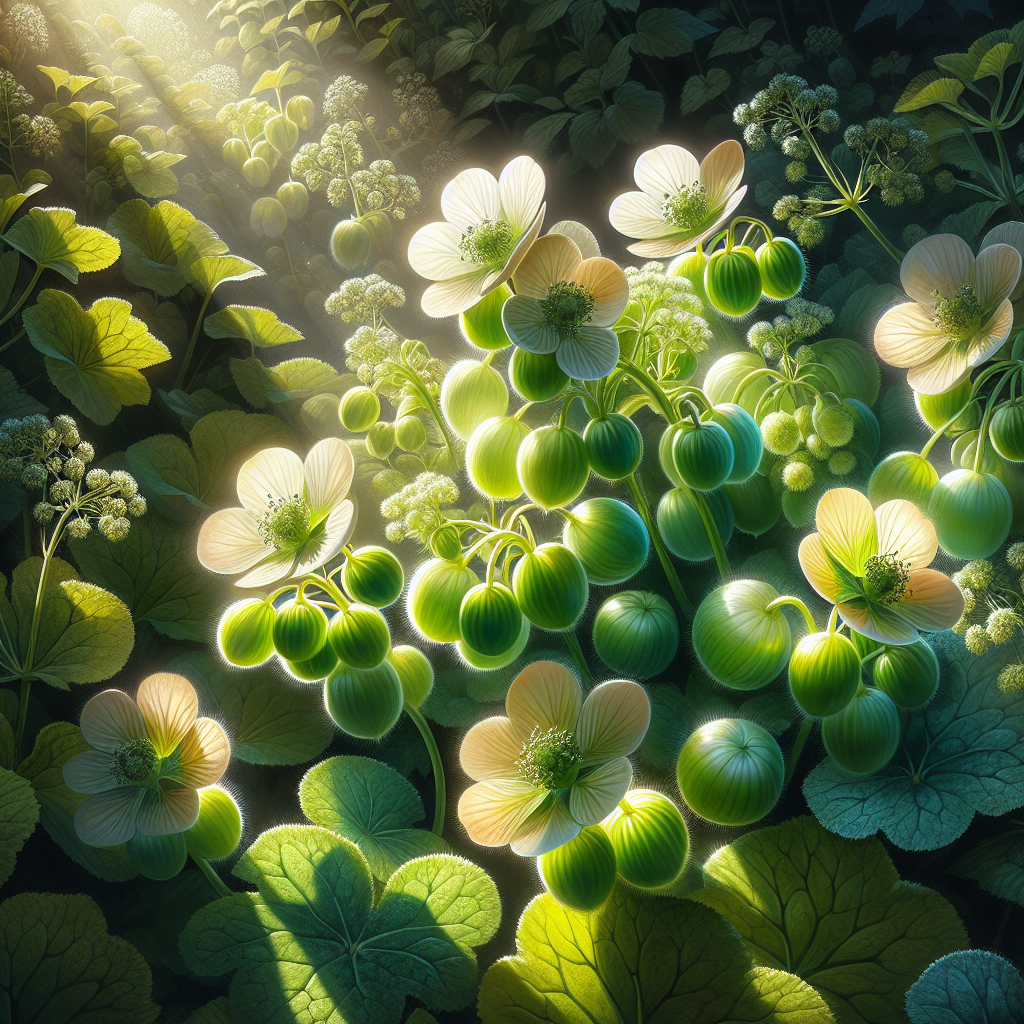
The honeydew flower is the bloom of the honeydew melon plant, scientifically categorized as Cucumis melo subsp. melo. While the flower itself may not be as widely recognized or celebrated as the fruit, it plays a crucial role in the plant’s reproductive cycle. The honeydew flower exhibits a delicate charm, usually flowering in shades of yellow or white, attracting an array of pollinators, including bees and butterflies.
Botanical Characteristics of Honeydew Flowers
Physical Appearance
Honeydew flowers are characterized by their five-petaled structure, often resembling stars when viewed from above. Each blossom has a soft, velvety texture, with a faint, sweet aroma that invites pollinators. The plant’s leaves are broad and heart-shaped, providing a lush backdrop to the dainty flowers. Typically, the flowers bloom in clusters, creating a stunning visual display when in full bloom.
Life Cycle
The life cycle of the honeydew flower involves several key stages:
-
Germination: Honeydew melons are typically seeded in warm soil, but the flowers can also develop from existing vines during the growing season.
-
Vegetative Growth: Once germinated, the plant undergoes a vegetative phase where it develops leaves and stems.
-
Flowering: Depending on environmental conditions, the plant will begin to produce flowers. Nighttime temperatures play an important role here, as warm evenings can encourage flowering.
-
Pollination: Honeydew flowers are primarily pollinated by insects. The flowers’ structure is designed to facilitate this process.
-
Fruit Development: Following successful pollination, the flower will develop into the well-known honeydew melon, a sweet, green-fruit adored around the world.
Pollination Process
Pollination is crucial for the honeydew flower to transition into fruit. The flowers are usually hermaphroditic, meaning they contain both male and female reproductive parts. Pollination occurs when pollen from the anthers is transferred to the stigma. This process can be facilitated by wind, but it is predominantly achieved through insect activity, especially by honeybees, who are drawn to the flower’s nectar.
Health Benefits and Nutritional Value
Nutritional Composition of Honeydew
While the honeydew flower itself is not consumed, it is the precursor to the honeydew melon, which boasts a myriad of health benefits:
-
Hydration: Honeydew melons are made up of about 90% water, making them a refreshing choice for hydration.
-
Vitamins and Minerals: Honeydew is a rich source of Vitamin C, Vitamin B6, potassium, and small amounts of calcium and iron.
-
Low Calorie: With only about 60 calories per cup, honeydew is ideal for those looking to maintain or lose weight.
-
Antioxidants: The melon contains antioxidants that help combat oxidative stress in the body, reducing inflammation and promoting overall health.
Medicinal Uses
Historically, various parts of the honeydew melon plant have been utilized in traditional medicine. Though research is ongoing, some potential benefits include:
- Digestive Health: The fiber content of honeydew may aid digestion and promote gut health.
- Diuretic Properties: The high water content can encourage urination, which may help in expelling toxins from the body.
- Skin Health: The vitamins and antioxidants in the melon can contribute to healthier skin when consumed regularly.
Cultivation and Care
Growing Conditions
Honeydew flowers thrive in well-drained, nutrient-rich soil. They prefer full sun, requiring at least 6-8 hours of direct sunlight daily. These flowers are sensitive to frost, so planting them in spring is recommended once the risk of frost has passed.
Plant Care
-
Watering: Regular watering is essential, especially during dry spells. However, care must be taken to avoid waterlogging, which can lead to root rot.
-
Fertilization: A balanced fertilizer can be applied during the growing season to promote healthy growth and flowering.
-
Pruning: Pruning may be necessary to remove dead or diseased leaves and to encourage better air circulation around the flowers.
-
Pest Management: Common pests that affect honeydew flowers include aphids, spider mites, and cucumber beetles. Organic pest control methods, such as neem oil or insecticidal soap, can keep these pests at bay.
The Cultural Significance of Honeydew Flowers
Historical Context
Historically, honeydew melons and their flowers have been cultivated for thousands of years. They are believed to have originated in Africa and may have been spread to various regions via trade routes. Ancient Egyptians revered melons, linking them to fertility, while in other cultures, they have been viewed as symbols of abundance.
Modern Culinary Uses
Honeydew melons have woven their way into culinary traditions across the globe. Whether featured in fruit salads, smoothies, desserts, or consumed on their own, their sweet, refreshing taste makes them a favorite summer treat. The flowers can also be cultivated in gardens for aesthetic purposes, bringing beauty and joy to outdoor spaces.
Festivals and Celebrations
In some cultures, honeydew melons are celebrated for their sweetness and health benefits, featuring prominently in harvest festivals and other local celebrations. These festivities allow communities to honor agricultural traditions while enjoying the fruits of their labor.
Frequently Asked Questions (FAQs)
1. Can I eat honeydew flowers?
While honeydew flowers are not typically eaten, they are edible. However, the focus is predominantly on the fruit produced by the plant.
2. How do I attract bees to my honeydew flowers?
To attract bees, you could plant companion flowers that bloom at the same time as your honeydew plants. Flowers like marigolds, sunflowers, and lavender can coexist harmoniously and draw in pollinators.
3. How long do honeydew flowers bloom?
Honeydew flowers typically bloom for a few weeks, usually during the warm months of spring and summer, depending on the climate and growing conditions.
4. What can I do if my honeydew flowers aren’t producing fruit?
If your honeydew flowers aren’t setting fruit, it may be due to inadequate pollination, insufficient sunlight, or nutrient deficiencies. Ensure you have enough pollinators in your garden and examine the overall health of your plants.
5. Are honeydew flowers perennial or annual?
Honeydew plants are generally grown as annuals, completing their life cycle within one season. However, in favorable climates, they may reseed themselves and return in subsequent years.
6. What are some companion plants for honeydew melons?
Companion plants like corn, radishes, and squash can benefit honeydew melons by creating a beneficial growing environment, providing shade, or deterring pests.
Conclusion
The honeydew flower, while often overshadowed by its delicious fruit, offers a rich array of characteristics and benefits that highlight its importance in the ecosystem. From its role in pollination and fruit development to its cultural significance and health benefits, the honeydew flower is truly a gem of the botanical world. By cultivating and appreciating these charming blooms, we can enjoy not only their beauty but also the delicious melons that follow. So, the next time you enjoy a slice of honeydew, take a moment to appreciate the stunning flowers that made it possible! Whether in your home garden or as part of a community endeavor, the honeydew flower reminds us of nature’s sweet delights and the importance of nurturing our green spaces.