
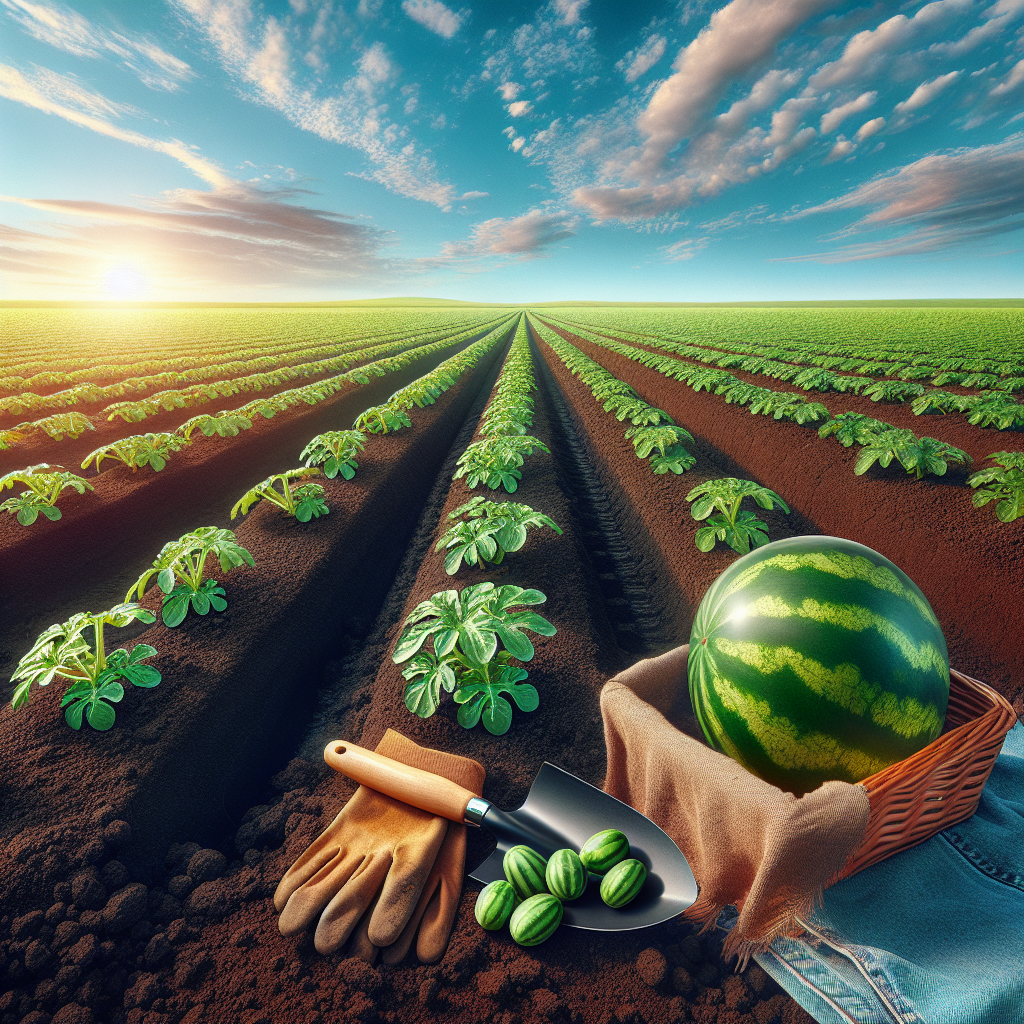
Watermelon (Citrullus lanatus) is a beloved summer fruit cherished for its sweet, juicy flavor and hydrating properties. For gardeners in Missouri, the thrill of growing their own juicy watermelons is both an art and a science, closely tied to understanding the right timing for planting. In this comprehensive guide, we delve deep into everything you need to know to successfully grow watermelon in the Show-Me State, particularly focusing on the optimal planting times, techniques, and care required for a bountiful harvest.
Understanding Watermelon Varieties
Before delving into the best times to plant watermelon in Missouri, it’s essential to familiarize ourselves with the types of watermelons you might consider growing. The most popular varieties include:
- Seedless Watermelon: Known for its convenience and sweet taste, these require the presence of seeded watermelons for pollination.
- Icebox Watermelon: Smaller fruits ideal for chilling in the refrigerator, suitable for smaller households.
- Picnic Watermelon: Larger, traditional watermelons that can weigh between 15 to 25 pounds, perfect for summer gatherings.
- Cantaloupe: Though not a watermelon, it’s worth noting as it’s often grown alongside watermelons.
The Climate in Missouri: A Crucial Factor
Missouri has a humid continental climate with four distinct seasons. This means the state experiences cold winters and hot summers, which influences the optimal planting periods. The growing season generally spans around 140 to 200 days, depending on the region (e.g., northern Missouri versus southern Missouri).
When Is the Best Time to Plant Watermelon in Missouri?
Average Frost Dates
Knowing the average frost dates in your specific region is critical for planning your watermelon planting:
- Northern Missouri: Last frost date is typically between April 15 and May 1.
- Central Missouri: Last frost date generally falls between April 15 and May 10.
- Southern Missouri: Last frost date is usually between April 5 and April 20.
Ideal Planting Window
The ideal time to plant watermelon in Missouri is after the last frost date when soil temperatures consistently reach around 70°F (21°C) or higher. This typically falls between late April and mid-May for most parts of Missouri.
Key Points to Consider:
- Watermelons require a long growing season, ideally around 80 to 90 days from planting to harvest.
- It’s crucial to avoid planting too early; cold soil may stunt growth and even kill young plants.
Can Watermelons Be Started Indoors?
Yes, you can start watermelon seeds indoors to get a jump on the growing season. This is particularly useful in northern regions of Missouri where the growing season is shorter.
Tips for Starting Indoors:
- Timing: Start seeds indoors 3 to 4 weeks before the last expected frost date.
- Containers: Use seed trays or biodegradable pots to minimize transplant shock.
- Light: Ensure ample light by placing seedlings under grow lights or in a sunny window.
- Temperature: Maintain a warm environment (around 70°F to 75°F) for optimal germination.
How to Know When to Transplant Watermelons Outdoors?
When seedlings have developed two to three true leaves and the outdoor conditions align with the above factors, it’s time to transplant.
Acclimatizing Seedlings
To avoid transplant shock, acclimatize indoor seedlings by placing them outside for a few hours each day (a process known as hardening off) for about a week before transplanting them.
Soil Requirements for Growing Watermelons
The right soil conditions can significantly affect your watermelon crop. Watermelons thrive in well-draining, loamy soil enriched with organic matter. Here are several key factors to consider:
- pH Level: Aim for a soil pH between 6.0 to 6.8.
- Nutrients: Incorporate compost or well-rotted manure to provide necessary nutrients.
- Drainage: Ensure good drainage to prevent root rot; consider adding sand or organic matter to improve soil structure.
Watering and Irrigation Techniques
Watermelons are approximately 90% water, making consistent watering crucial. Here are some tips:
- Frequency: Water deeply once a week or more frequently in very hot weather.
- Method: Aim for a soaker hose or drip irrigation to keep moisture focused on the roots without wetting the foliage, which can lead to disease.
- Mulching: Use straw or wood chips as mulch to maintain soil moisture and suppress weeds.
Common Questions About Planting Watermelon in Missouri
Now, let’s address some specific questions that new and experienced gardeners might have:
1. Can you plant watermelon alongside other crops?
Answer: Yes, watermelons can be companions with crops like corn, radishes, and marigolds that deter pests. However, avoid planting them near potatoes and other flowering plants that can attract pests.
2. What if the daytime temperature drops sharply after planting?
Answer: If a cold snap is forecasted, consider covering young plants with fabric row covers or plastic sheets overnight to protect them from frost damage.
3. How do I tell when my watermelons are ripe?
Answer: Look for the tendril closest to the fruit turning brown and the spot where the fruit touches the ground turning a creamy yellow. Additionally, a hollow sound when tapped also indicates ripeness.
4. Should I use fertilizers, and if so, when?
Answer: Yes, using a balanced fertilizer at planting can give watermelons a good nutrient boost, but avoid high-nitrogen fertilizers as they promote leaf growth at the expense of fruit development. Instead, switch to a low-nitrogen, high-phosphorus fertilizer during the flowering stage.
Pest and Disease Management
Just like any other fruit, watermelons are susceptible to various pests and diseases. Here’s how you can protect your crop:
Common Pests
- Aphids: Small insects that can thrive on young leaves. Use insecticidal soap to control them.
- Squash Bugs: Look for dark, shield-shaped insects. Hand-picking or using neem oil can help manage their numbers.
Common Diseases
- Powdery Mildew: A fungal disease that appears as white spots on leaves. Prevent it by ensuring good air circulation and watering at the base of plants.
- Fusarium Wilt: This soil-borne disease causes yellow leaves and wilting. Choose resistant varieties and practice crop rotation.
Tips for Harvesting Watermelon
- Timing: Typically, watermelons are ready to harvest 80 to 90 days after planting.
- Technique: Cut the stem with a sharp knife, leaving a few inches connected to the fruit.
- Storage: Store uncut watermelons in a cool, dark place. They can last for about two weeks at room temperature and longer if refrigerated.
Conclusion: Celebrate Your Watermelon Harvest!
Successfully planting and nurturing watermelons in Missouri requires knowledge, patience, and care. By understanding the best practices for timing, soil, watering, pest management, and harvesting, you can enjoy a harvest filled with the sweet, juicy satisfaction that only homegrown watermelons can provide.
Whether you decide to eat them fresh, whip up a refreshing watermelon salad, or create a delightful smoothie, the fruits of your labor will undoubtedly make the summer even sweeter. So grab your seeds and gardening tools and get ready to enjoy a bountiful crop this season!