
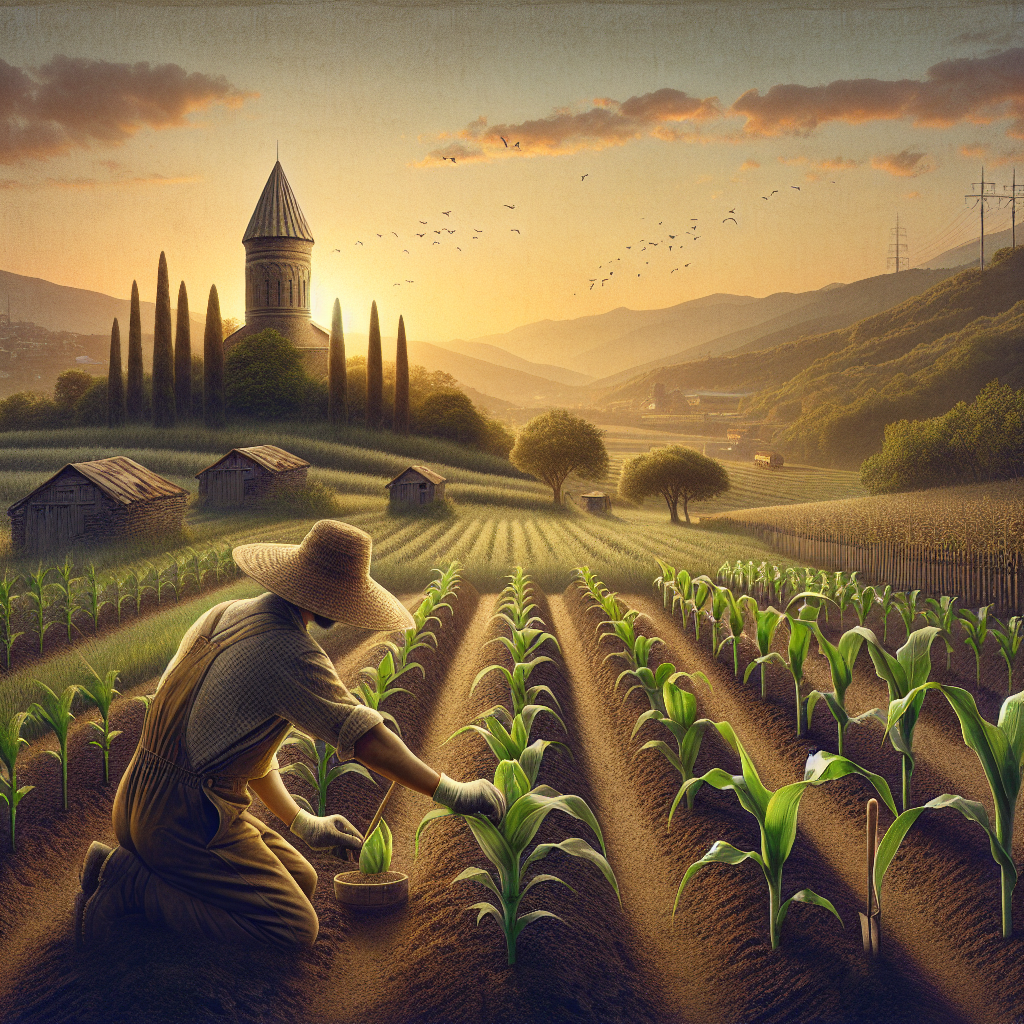
Planting corn in Georgia is not just a task; it’s a tradition steeped in history, agricultural expertise, and a keen understanding of the local climate. For both the home gardener and the seasoned farmer, knowing when to sow corn can significantly impact yield, quality, and overall success. In this comprehensive article, we will explore the key factors that determine when to plant corn in Georgia, best practices, common questions, and tips for optimal growth.
Understanding Georgia’s Climate Zones
Before diving into the specifics of when to plant corn, it’s crucial to understand Georgia’s climate. The state has several climate zones, generally classified into three main areas:
-
North Georgia: Characterized by its mountainous terrain and cooler climate, North Georgia experiences a shorter growing season.
-
Central Georgia: This region enjoys a more moderate climate with a longer growing season compared to the north.
-
South Georgia: Known for its warm, humid climate, South Georgia has one of the longest growing seasons in the state.
Understanding the climate zone in your area will help you determine the optimal planting window for corn. On average, Georgia has about 210 to 240 frost-free days per year, which is ideal for growing a variety of crops, including corn.
When is the Best Time to Plant Corn in Georgia?
The optimal time to plant corn in Georgia generally falls between mid-March and late April. Here’s a detailed breakdown:
1. Soil Temperature
Corn germinates best when the soil temperature is between 50°F and 86°F. Farmers often rely on soil temperature, which can be monitored using a soil thermometer. This means that while air temperatures may feel warm, the soil must be adequately warmed up to ensure strong germination.
2. Last Frost Date
The last frost date is a crucial consideration for planting timing. In North Georgia, the last frost date typically falls between late April and early May. In Central and South Georgia, the last frost generally occurs earlier, making it safer to plant corn in mid to late March.
3. Days to Maturity
Different corn varieties have different maturity times. Sweet corn typically matures in 60-100 days, while field corn can take longer, up to 120 days. Selecting the right variety based on your estimated harvest date is critical in planning your planting date.
4. Rainfall Patterns
Rain is vital for corn, but too much or too little can affect crop viability. Georgia tends to have its wettest seasons in spring, which coincides with the recommended planting window. Checking the local rainfall forecast can help coordinate planting efforts for optimal moisture availability.
5. Soil Conditions
Soil preparation is essential before sowing corn seeds. Make sure the soil is well-drained and has a pH of around 6.0 to 6.8. Conduct a soil test if you’re unsure about fertility. Remember that corn thrives in nutrient-rich soil, so consider adding organic matter or fertilizers as needed.
The Planting Process: Steps for Success
1. Choosing the Right Variety
Select corn varieties suited for your growing zone. Here are a few popular options:
- Sweet Corn: Ideal for home gardens, it’s recommended to choose varieties like ‘Silver Queen’ or ‘Kandy Korn.’
- Field Corn: Commonly grown for livestock feed and biofuels. A popular variety is ‘Dent Corn.’
2. Preparing the Soil
Begin preparations weeks in advance. Tilling the soil to a depth of 12 to 15 inches can help aerate it and improve drainage. Adding organic matter such as compost can also enhance soil fertility.
3. Planting the Seeds
Corn is typically planted 1 to 2 inches deep, spaced about 6 to 12 inches apart in rows that are 30 to 36 inches apart. Planting in straight rows will facilitate easier maintenance and harvesting.
4. Watering and Fertilizing
Corn needs plenty of water, especially during the tasseling and ear development stages. Aim for about 1 inch of water per week either from rainfall or supplemental irrigation. Fertilize with a balanced fertilizer high in nitrogen, especially during the early growth stages.
5. Weed and Pest Management
Regularly inspect your corn for weeds and pests. Hand-pulling weeds or using mulch can control weeds naturally. Integrated pest management strategies can help mitigate pest issues without relying solely on chemicals.
Common Questions About Planting Corn in Georgia
Q1: What type of corn should I grow in Georgia?
In Georgia, both sweet corn and field corn can thrive, depending on your end goals. If you’re growing for personal consumption, sweet corn varieties are ideal. For commercial or industrial purposes, field corn is more appropriate.
Q2: How deep should I plant corn seeds?
Corn seeds should generally be planted 1 to 2 inches deep in well-prepared soil.
Q3: What should I do if the soil remains too cold?
If your soil is too cold, you can delay planting until temperatures rise, or consider using black plastic mulch to warm the soil faster.
Q4: Is it too late to plant corn if I missed the optimal window?
Though mid-March to late April is the best planting window, you can still plant corn until mid-May in some areas, particularly in South Georgia. However, yields may be reduced as temperatures rise in summer.
Q5: How can I extend the growing season?
Using row covers or planting earlier maturing varieties can help extend your growing season.
Q6: What type of irrigation is best for corn?
Drip irrigation or center pivot systems are effective for ensuring that corn receives consistent moisture.
Q7: Are there any diseases I should watch for?
Yes, be on the lookout for leaf blight, root rot, and corn smut. Crop rotation and proper soil management practices can help mitigate these issues.
Q8: Is it necessary to use pesticides?
While integrated pest management is recommended, pesticides may be necessary for severe outbreaks. Always read and follow label directions.
Conclusion: Planting Corn in Georgia
Planting corn in Georgia offers both seasoned farmers and enthusiastic gardeners a rewarding experience. By understanding local climate conditions, preparing the soil adequately, and following best practices for planting and care, you can enjoy a bountiful corn harvest.
Final Tips
- Start Early: Begin soil preparations and research corn varieties as early as possible.
- Consult Local Resources: The University of Georgia Extension office is a valuable resource for localized advice and assistance.
- Keep Learning: Attend local farming workshops or seminars to continually improve your farming techniques.
Growing corn is not merely about sowing seeds; it’s a commitment to nurturing a crop and learning throughout the process. By paying close attention to the timing and method of planting, you can ensure a successful, plentiful year ahead. Whether you’re growing for personal use or commercial purposes, there’s nothing quite like the satisfaction of harvesting your own corn in the vibrant and diverse state of Georgia.