
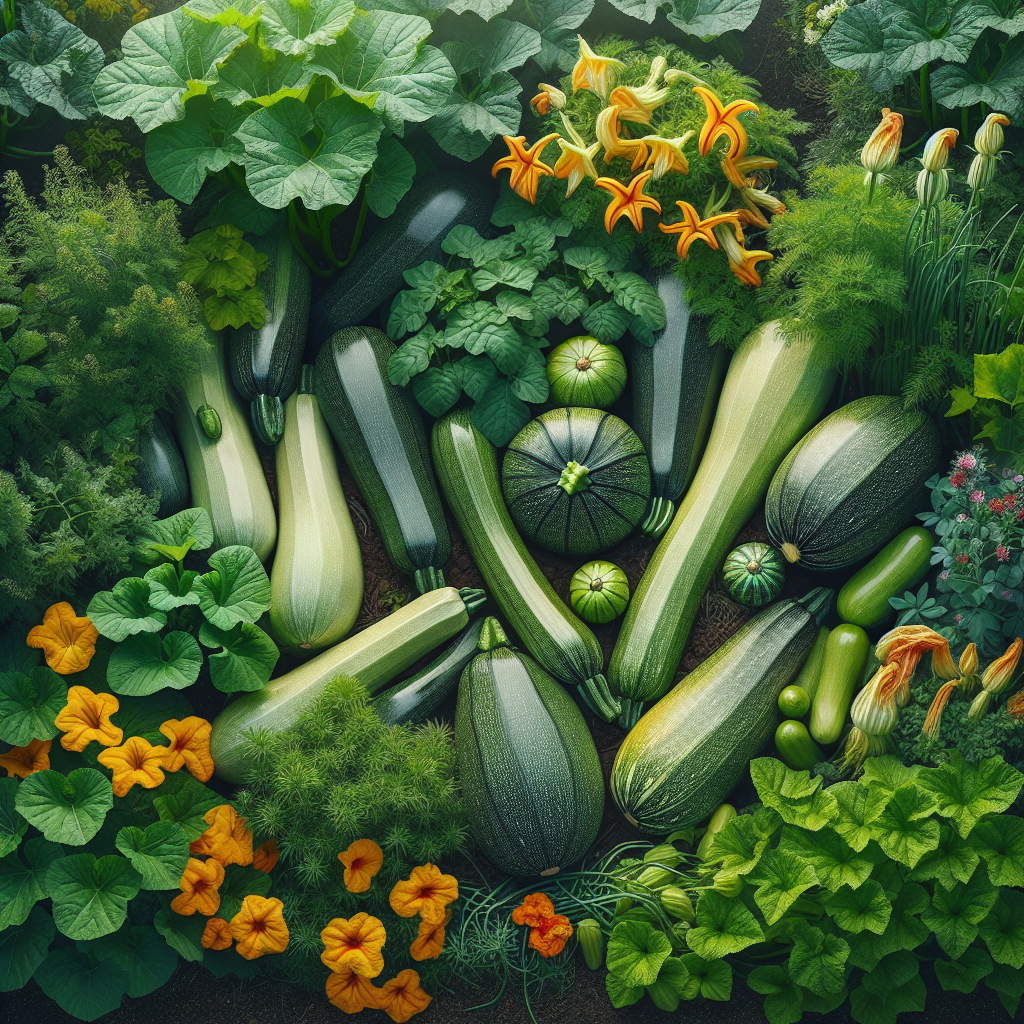
Gardening has long been a cherished hobby for many, providing not only an avenue for relaxation but also an opportunity to cultivate fresh, organic produce. Among the bounty of the vegetable garden, zucchini (Cucurbita pepo) stands out as a star performer, enthusing gardeners with its prolific growth and culinary versatility. However, what many may not realize is that zucchini can offer numerous advantages when grown alongside specific companion plants. In this article, we’ll delve into the fascinating world of companion planting for zucchini, addressing essential questions, exploring best practices, and unveiling the interdependent relationships that can help your zucchini thrive.
What Is Companion Planting?
Companion planting is the practice of growing different plants in close proximity for mutual benefit. This method can enhance plant growth, repel pests, attract beneficial insects, and improve soil health. Essentially, certain plants can promote each other’s health and productivity, creating a synergistic ecosystem within your vegetable garden.
Why Grow Zucchini?
Zucchini is a warm-season vegetable that belongs to the gourd family. Known for its mild flavor and versatility in the kitchen, zucchini is often harvested when immature and can be used in various dishes— from stir-fries to baked goods. Additionally, it’s relatively easy to grow, making it a staple for both novice and experienced gardeners. However, like any plant, zucchini has its challenges, including pests and diseases that can compromise its growth.
Key Benefits of Companion Planting for Zucchini
-
Pest Control:
Some plants naturally deter pests that commonly afflict zucchini, such as squash bugs and cucumber beetles. By placing these companion plants nearby, you can create a protective barrier that reduces the chances of infestation. -
Nutrient Enhancement:
Certain plants can improve the soil’s nutrient profile, enriching it with essential elements and promoting healthier growth for zucchini. -
Pollinator Attraction:
Companion plants can draw in beneficial insects, including pollinators like bees, which are vital for the successful fruiting of zucchini. -
Space Optimization:
Companion planting allows you to maximize your garden space, enabling you to grow more plants without overcrowding. -
Improved Soil Structure:
Some plants enhance soil structure and increase microbial activity, leading to a healthier growing environment for zucchini.
What Are the Best Companion Plants for Zucchini?
1. Marigolds (Tagetes spp.)
Why They Work:
Marigolds are famed for their ability to repel insects, particularly nematodes and aphids. Their bright blooms also attract beneficial insects like ladybugs and lacewings, which can help control pests in your garden.
How to Plant:
Plant marigolds around the perimeter of your zucchini patch to create a natural barrier. They require similar sunlight and moisture conditions, making them easy companions.
2. Basil (Ocimum basilicum)
Why They Work:
Basil is another wonderful companion for zucchini. Its strong aroma can deter pests while also attracting pollinators. Not to mention, basil and zucchini complement each other beautifully in the kitchen.
How to Plant:
Space basil plants about 12 inches away from zucchini to ensure both plants have adequate room for growth.
3. Nasturtiums (Tropaeolum majus)
Why They Work:
Nasturtiums act as a trap crop for aphids and other pests, diverting them away from zucchini. Their vibrant flowers also attract pollinators, helping to boost zucchini yields.
How to Plant:
Sow nasturtiums around your zucchini plants or interplant them within the rows to provide a colorful and functional border.
4. Corn (Zea mays)
Why They Work:
Corn provides natural support for climbing plants and offers some shade to zucchini, which aids in moisture retention. Zucchini’s large leaves can help to suppress weeds and keep the soil cool.
How to Plant:
Initiate corn seeds first; once they establish, you can interplant zucchini in between.
5. Squash (Cucurbita spp.)
Why They Work:
Interestingly, other squash varieties can be excellent companions for zucchini. The dense foliage can shade the ground and help suppress weeds, while the similar nutrient needs make them compatible in terms of feeding.
How to Plant:
Space plants adequately to allow for airflow and sun exposure. A healthy mix of different squash can foster a diverse ecosystem in your garden.
Frequently Asked Questions About Companion Planting for Zucchini
1. What Are the Negative Effects of Companion Planting?
Companion planting is generally beneficial, but there are instances where certain combinations can inhibit growth. For example, planting zucchini near potatoes can lead to poor yields due to competition for nutrients.
2. Can I Plant Zucchini with Other Cucurbits?
Yes, zucchini can be grown alongside other cucurbits like cucumbers. However, planting different types of squash too close may lead to cross-pollination, affecting the flavor and appearance of the fruit.
3. Is There a Best Time for Planting Companion Plants?
The best time to sow companion plants is typically around the same time as zucchini. However, some plants like marigolds can be started earlier to establish a protective barrier before zucchini is planted out.
4. How Close Should Companion Plants Be to Zucchini?
Spacing can vary by plant type. For low-growing plants like marigolds or nasturtiums, you can place them closer (around 12 inches apart), while taller plants like corn should be spaced accordingly to avoid shading the zucchini too much.
5. How Can I Tell if My Companion Planting is Working?
Keep an eye out for the health of your zucchini plants. Monitor for pest activity, overall growth, and fruit production. If zucchini plants appear healthy and yields are substantial, your companion planting is likely successful!
Practical Tips for Successful Companion Planting with Zucchini
-
Soil Preparation:
Before planting, enrich your soil with organic compost to provide a nutrient-rich foundation. -
Wheelbarrow Design:
Consider arranging plants in a wheelbarrow-like design; tall plants can create a sunshade for shorter varieties while allowing airflow between them. -
Monitor Watering Needs:
Ensure that companion plants receive similar watering conditions—zucchini prefers consistent moisture, so avoid pairing with drought-tolerant plants. -
Pest Management:
Regularly inspect both zucchini and companion plants for signs of pest infestation and act quickly if you detect any issues. -
Harvest Regularly:
Frequent harvesting of zucchini encourages more growth, which can benefit both your plants and your kitchen.
What’s Next?
As you embark on your zucchini companion planting journey, take the time to observe and learn what works best in your unique garden environment. Keep a garden journal to document successes, challenges, and your personal insights over the growing season.
Conclusion
Companion planting with zucchini is beneficial not only for the plants but for the overall health of your garden ecosystem. By selecting the right companions, you can optimize your zucchini’s growth, deter pests, and ensure a thriving vegetable garden. With proper planning, preparation, and care, your zucchini patch can flourish into a vibrant and productive centerpiece of your garden space.
As the horticultural adage goes, “The sum is greater than its parts.” In companion planting, this rings especially true. Happy gardening!