
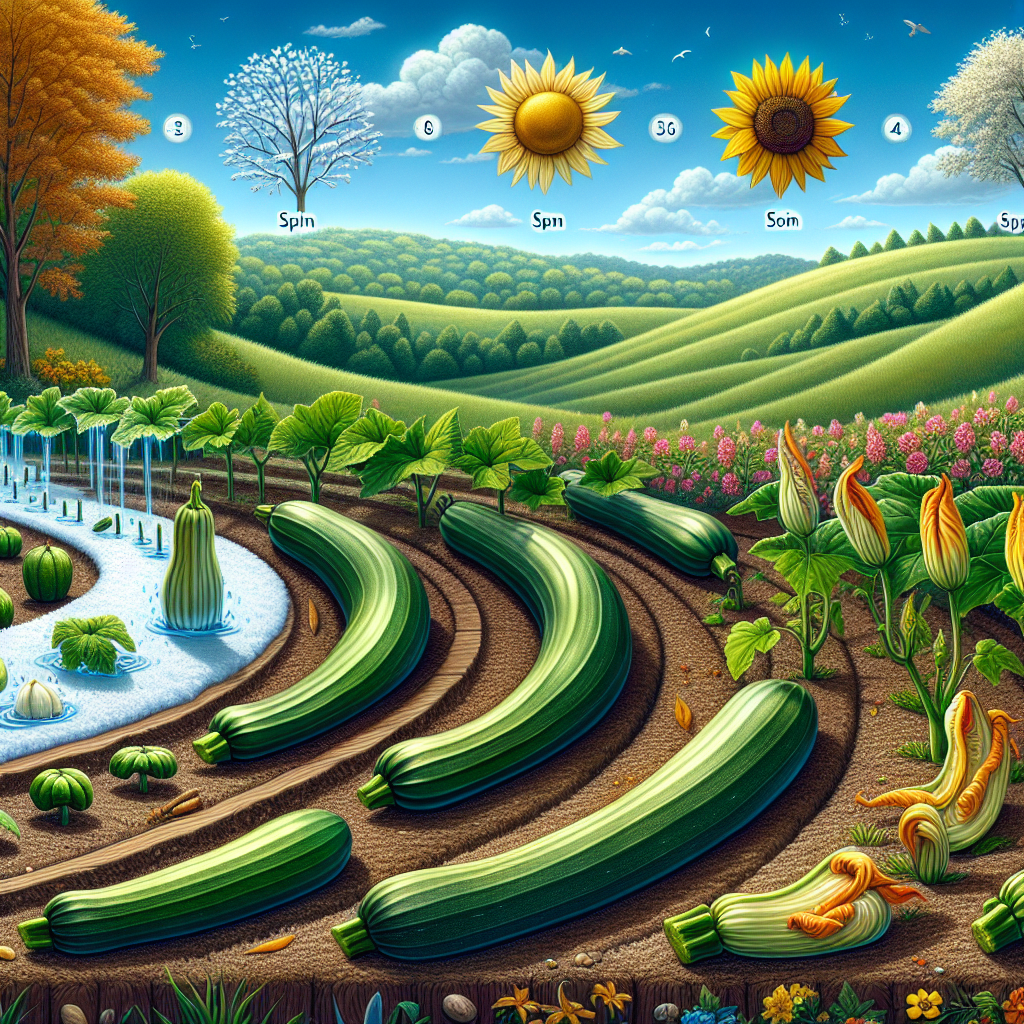
Zucchini, a versatile and nutritious summer squash, thrives in warm weather, making it a popular choice for home gardens across the United States. If you live in Tennessee and are eager to cultivate your own zucchini, understanding when and how to plant it can be the difference between a bountiful harvest and a lackluster yield. This comprehensive guide will delve into the best practices for planting zucchini in Tennessee, ensuring that both novice and seasoned gardeners will have everything they need to enjoy a bountiful crop.
Understanding Zucchini
What is Zucchini?
Zucchini (Cucurbita pepo) is a warm-season vegetable that belongs to the gourd family. It’s known for its long, green, cylindrical shape, although several varieties showcase different colors and sizes. Zucchini is rich in vitamins A and C, potassium, and dietary fiber. It can be prepared in numerous ways: grilled, sautéed, baked, or even spiralized as a pasta substitute.
Why Grow Zucchini?
- Abundance: Zucchini is famously prolific. A single plant can produce several pounds of fruit over the summer.
- Versatility: With its mild flavor, zucchini can be used in savory dishes, desserts, and even smoothies.
- Quick Growth: Zucchini matures fast, typically ready for harvest 50-70 days after planting.
- Nutritional Value: It’s a low-calorie vegetable that’s fabulous for maintaining a healthy diet.
Climate and Growing Conditions in Tennessee
Understanding Tennessee’s Climate
Tennessee features a humid subtropical climate, characterized by warm summers and mild winters. The growing seasons vary somewhat between regions due to elevation, ranging from the lowland plains in West Tennessee to the Appalachian mountains in East Tennessee. Generally, there are two notable climate areas to be aware of:
- West Tennessee: Warmer, longer growing season; ideal for summer crops.
- Middle and East Tennessee: Slightly shorter growing seasons; frost dates may vary.
What is the Ideal Temperature for Zucchini?
Zucchini thrives best when temperatures are between 70°F and 95°F. The seeds won’t germinate below 60°F, and mature plants can suffer if temperatures dip below 50°F. Thus, timing your planting can be crucial in achieving a successful crop.
When to Plant Zucchini in Tennessee
Frost Dates in Tennessee
One of the first steps in planning your zucchini garden is understanding the average last frost dates in your area. Tennessee’s last frost dates typically fall between:
- West Tennessee: Last frost around mid-April.
- Middle Tennessee: Last frost around late April to early May.
- East Tennessee: Last frost around early May.
Ideal Planting Times
In Tennessee, the objective is to plant zucchini:
- Direct Sow in the Garden: After the last frost date, ideally in mid to late April in West Tennessee and late April to early May in Middle and East Tennessee.
- Start Indoors: For an earlier start, you can sow seeds indoors about 3-4 weeks before the last frost date and then transplant them outside once the danger of frost has passed and outdoor temperatures are consistently warm.
Is It Too Late to Plant Zucchini?
If you missed the optimal time frame for planting in April or May, don’t worry. Zucchini can still be planted in June and even early July for a harvest later in the summer. However, the yields may start to drop as temperatures begin to cool in the fall.
Preparing Your Garden
Choosing the Right Location
Zucchini requires full sun, so choose a garden spot that receives at least 6-8 hours of direct sunlight per day. Make sure the area has good drainage to prevent waterlogging.
Soil Requirements
Zucchini prefers well-drained, loamy soil with a pH of 6.0 to 7.5. Here’s how to prepare your soil:
- Soil Testing: Start by conducting a soil test. Most agricultural extension offices in Tennessee offer soil testing services.
- Amend Soil: Based on test results, amend the soil with compost or well-rotted manure to enrich nutrient levels and improve drainage.
- Tilling: Till the soil to a depth of about 12 inches to increase aeration and allow roots to easily penetrate.
Space Requirements
Zucchini plants can grow quite large, so space them appropriately:
-
In-Ground Planting: Space seeds or transplants 2-3 feet apart in rows that are 3-4 feet apart.
-
Container Gardening: If planting in containers, opt for a pot that is at least 5 gallons in size and use a quality potting mix.
How to Plant Zucchini
Direct Seeding vs. Transplanting
Direct Seeding:
- Once the soil warms to at least 60°F, plant seeds 1 inch deep.
- Water well after planting and keep the soil moist but not soggy.
Transplanting:
- Start seeds indoors about 3-4 weeks before the last frost date.
- Use biodegradable pots to avoid root disturbance.
- Transplant seedlings outdoors after hardening them off (exposing them to outdoor conditions gradually).
Companion Planting
Zucchini can benefit from companion planting, which involves growing plants together that can enhance each other’s growth. Good companions include:
- Corn: Provides a natural support system.
- Bush Beans: Improve soil nitrogen levels.
- Nasturtium: Acts as a natural pest deterrent.
Pest Control and Maintenance
Zucchini can attract pests, including squash bugs and aphids. Implement preventive measures:
- Mulching: Use organic mulch to suppress weeds and maintain soil moisture.
- Handpicking: Regularly inspect your plants for pests and remove them by hand.
- Organic Pesticides: Use neem oil or insecticidal soap as necessary.
Watering and Fertilizing Zucchini
Watering Needs
Zucchini requires consistent moisture, especially during flowering and fruit set. Here’s how to efficiently water your plants:
- Frequency: Water deeply once a week, increasing to twice weekly during dry spells.
- Best Time: Water early in the morning or late in the afternoon to reduce evaporation.
Fertilization
Zucchini benefits from regular fertilization:
- Initial Fertilization: At planting, incorporate a balanced fertilizer into the soil.
- Mid-Season Feeding: Side-dress with a high-nitrogen fertilizer when plants begin to blossom.
Harvesting Zucchini
When to Harvest
Zucchini is typically ready for harvest 50-70 days after planting. Monitor the fruit regularly:
- Size: Harvest zucchini when they are about 6-8 inches long.
- Color: Keep an eye on the skin color—glossy, vibrant green indicates readiness.
Harvesting Technique
Use a sharp knife or garden shears to cut the zucchini from the stem, leaving a short stem attached to the fruit. Avoid pulling the fruit, as this could damage the plant.
FAQs: Common Questions About Growing Zucchini in Tennessee
1. What are some common problems when growing zucchini?
Some common issues include:
- Powdery Mildew: Manage it by practicing crop rotation and providing good air circulation.
- Blossom-End Rot: This condition is often related to inconsistent watering. Ensure consistent moisture.
- Pests: Watch out for squash beetles, and use organic treatments if needed.
2. Can I grow zucchini in containers?
Yes! Zucchini can be successfully grown in containers as long as the pot is large enough (at least 5 gallons) and you provide regular care.
3. What are the best zucchini varieties to plant in Tennessee?
Popular varieties include:
- Black Beauty: A classic green zucchini.
- Golden Zucchini: Known for its vibrant yellow color.
- Pattypan: A unique, smaller, and round variety that offers a delightful taste.
4. Do I need to prune zucchini plants?
While not strictly necessary, you may wish to prune excess leaves to improve air circulation and direct energy to fruit production.
5. How can I use surplus zucchini?
If you find yourself overwhelmed with zucchini bounty, consider:
- Freezing: Grate and freeze for later use in recipes.
- Baking: Try zucchini bread or muffins.
- Sharing: A wonderful way to connect with neighbors!
Conclusion
Growing zucchini in Tennessee can be a rewarding endeavor, provided you know the optimal planting times and techniques. By understanding your local climate, soil conditions, and the right timing for planting, you can cultivate a thriving zucchini crop that’s both enjoyable and beneficial for your health. Whether you are feeding your family or sharing the abundant harvest with friends and neighbors, zucchini is indeed a summer staple worth planting.
Now that you are equipped with all the knowledge about when and how to plant zucchini in Tennessee, it’s time to roll up your sleeves and get started in your garden! Happy gardening!