
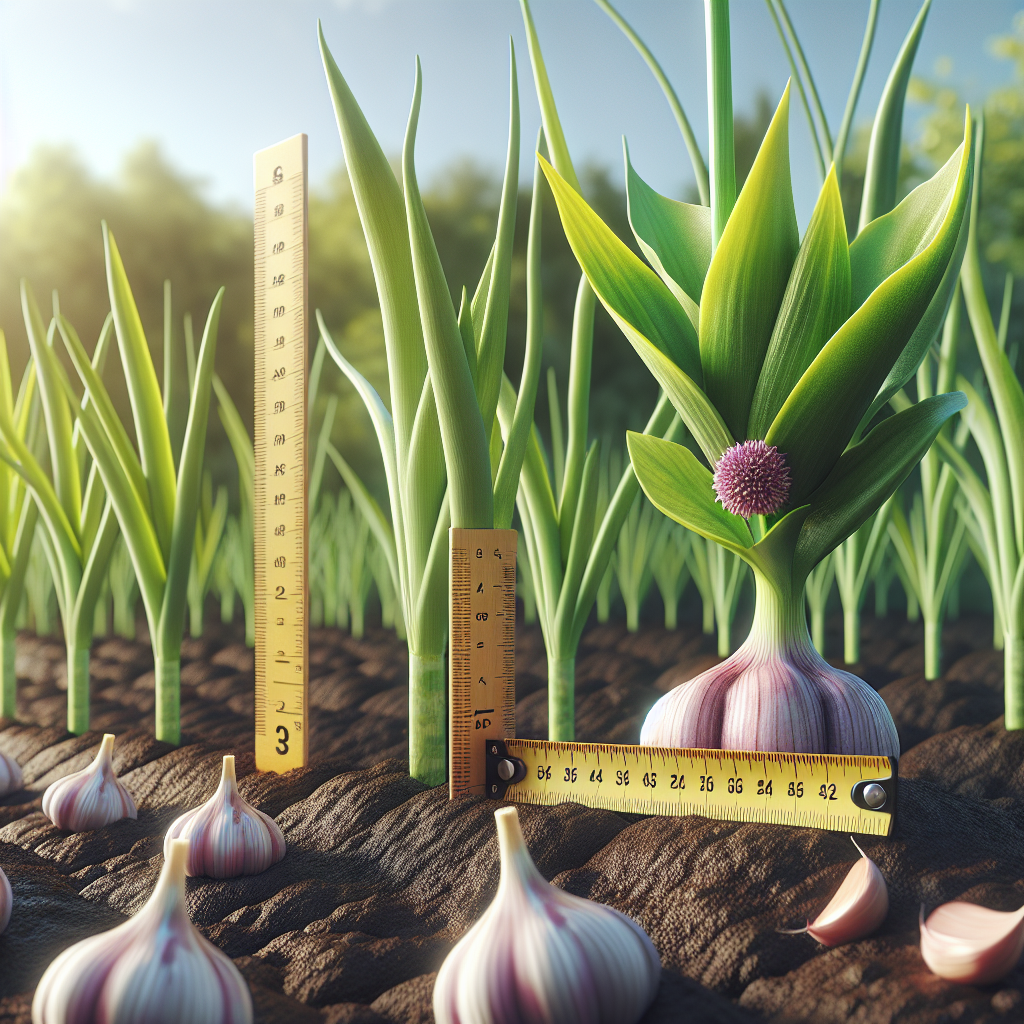
Garlic, known scientifically as Allium sativum, has captivated gardeners and chefs alike with its robust flavor and remarkable health benefits. When it comes to successfully planting garlic, understanding the intricacies of planting distance is of paramount importance. In this extensive guide, we will delve deep into the optimal planting distances for garlic, addressing common questions and concerns while providing valuable tips and insights.
Understanding Garlic: A Brief Overview
Before we embark on the specifics of planting distances, let’s take a moment to understand garlic better. This bulbous perennial is part of the onion family and is native to Central Asia. It has been cultivated for thousands of years and is a staple in culinary traditions worldwide. There are several varieties of garlic, predominantly categorized into hardneck and softneck, each with unique characteristics and needs.
Benefits of Growing Garlic
- Culinary Uses: Garlic’s versatility in the kitchen ranges from flavoring sauces to enhancing the profile of various dishes.
- Health Benefits: Rich in antioxidants, vitamins, and minerals, garlic has been linked to numerous health benefits, including improved cardiovascular health and antibacterial properties.
- Ease of Growth: Garlic is relatively easy to grow in a range of climates and is a great option for both beginner and experienced gardeners.
The Importance of Planting Distance
Planting distance refers to the space between each garlic clove (or bulb) and between rows of garlic. Proper spacing ensures that each plant has adequate access to nutrients, water, and sunlight, which ultimately affects their growth and yield.
Optimal Spacing for Garlic
-
In-Row Spacing: The recommended distance between each clove in a row is typically between 6 to 8 inches. This distance allows for the adequate growth of bulbs without overcrowding, which can lead to competition for resources.
-
Row Spacing: The distance between each row of garlic should be about 12 to 18 inches. This spacing permits adequate air circulation and ease of harvesting.
Factors Affecting Garlic Planting Distance
Several factors can influence your planting distance for garlic:
-
Varietal Differences: Hardneck garlic varieties typically require more space than softneck types due to their larger bulb size.
-
Soil Quality: Rich, well-draining soils can allow for slightly closer planting distances, as the garlic will have better access to nutrients.
-
Climate and Growing Conditions: In more humid climates, wider spacing may be advisable to prevent diseases like rot, while drier conditions may permit closer plantings.
-
Planting Method: Whether you decide to plant garlic in raised beds, in-ground, or in containers can also affect the optimal spacing.
Common Questions About Planting Distance for Garlic
Q1: Why is it important to space garlic adequately?
Adequate spacing is crucial for a multitude of reasons:
- Nutrient Absorption: Plants planted too closely can become nutrient-starved, leading to stunted growth.
- Airflow: Proper spacing enhances air circulation, reducing the risk of fungal infections and rot.
- Access to Sunlight: Adequate space enables each plant to receive sufficient sunlight, promoting healthy and vigorous growth.
Q2: What happens if I plant garlic too closely together?
When garlic is planted too closely, a few negative outcomes can occur:
- Stunted Growth: Crowded plants will compete for nutrients, leading to smaller bulbs and reduced overall yields.
- Increased Disease Risk: Poor airflow between plants makes them more susceptible to diseases such as white rot and downy mildew.
- Difficult Harvesting: Closely planted garlic can complicate the harvesting process, making it harder to extract each bulb without damaging nearby plants.
Q3: Can I adjust the planting distance based on my garden’s layout?
Absolutely! Your planting distance can be adjusted based on several considerations, including:
- Garden Size: In a small garden, you may choose to go for tighter spacing, but keep in mind the potential drawbacks.
- Growing Techniques: If using methods such as square foot gardening, you may adapt your spacing technique to fit your layout while still maintaining proper distances.
Q4: How does soil quality influence planting distance?
Soil quality has a direct impact on how closely you can plant garlic:
- Nutrient-Rich Soil: If your soil is rich in organic matter and well-drained, you might be able to afford closer spacing between plants.
- Clay or Poorly-draining Soil: In more compacted or nutrient-poor soils, it’s best to err on the side of caution and space your garlic plants further apart.
Q5: What tools can help measure planting distance?
While you can certainly use a simple ruler or measuring tape, the following gardening tools can streamline the process:
- Garden Markers: Use a string line with markers at your desired distances, so you can plant cloves accurately.
- Grid Templates: For square foot gardening, use grid templates to establish planting distances.
- Planting Tables: Some gardeners have success with planting tables that help guide spacing visually.
Planting Techniques and Their Impacts on Distance
Garlic can be planted in various ways, each with implications for how closely you can space your cloves:
Traditional Row Planting
Traditional row planting is commonly used and allows for even spacing in both directions. The typical recommendation of 6-8 inches in-row and 12-18 inches between rows works exceptionally well in most circumstances.
Raised Beds
Raised beds allow for better drainage and soil temperature regulation, enabling a slight reduction in spacing. In well-drained and rich soil, you might plant cloves as close as 4-6 inches apart, while still maintaining 12-18 inches between rows.
Container Planting
If you plan to use containers, spacing can be quite flexible depending on the size of the container. A large container (at least 5 gallons) might comfortably fit 3-4 garlic cloves, spaced about 6 inches apart. Containers require attention to soil quality, drainage, and watering but can provide good yields even in tighter spacing.
Timing Your Garlic Planting for Optimal Growth
Knowing the right time to plant garlic is just as crucial as spacing. Garlic is typically planted in the fall or early spring, depending on your climate zone.
-
Fall Planting: In regions with cold winters, the ideal time for planting garlic is usually between September and November. This timing allows the garlic to establish roots before the ground freezes.
-
Spring Planting: In warmer climates, garlic can be planted in early spring, around March or April. It is important to ensure that there is still enough time before the onset of heat to allow for bulb development.
Caring for Your Garlic Crop
Once planted, maintaining your garlic crop is crucial for maximizing yield. Here are key care tips:
Watering
Garlic requires consistent moisture, especially during its growing season. However, ensure that your soil is well-draining to prevent bulb rot. Water garlic approximately once a week, with adjustments made based on rainfall.
Mulching
Applying organic mulch around your garlic plants can help regulate soil temperature, retain moisture, and suppress weeds. Straw, leaves, or grass clippings make excellent mulch choices.
Fertilization
Garlic enjoys fertile soil. Incorporate compost or well-rotted manure before planting. Additional nitrogen-rich fertilizers can be applied in early spring to support foliage growth, but be judicious to avoid overpowering the plants.
Pest and Disease Control
Monitoring closely for signs of pests such as aphids or diseases like garlic rust and white rot will enable you to take action quickly. Utilizing organic treatments, maintaining proper spacing, and ensuring airflow will greatly assist in preventing problems.
Harvesting Garlic: Timing and Technique
When the time comes to harvest your garlic, knowing the right moment is key. Generally, garlic is ready for harvest when the leaves begin to yellow and die back, typically in mid to late summer.
-
How to Harvest: Use a shovel or garden fork to dig around the bulbs carefully, lifting them from the ground without damaging them.
-
Curing: After harvesting, garlic should be cured in a dry, warm area with good airflow for a few weeks. Proper curing enhances flavor and extends the storage life of the bulbs.
Conclusion: The Journey of Growing Garlic
Growing garlic isn’t just about waiting for bulbs to form; it’s a meticulous journey that requires attention to detail, planning, and care. One of the most critical aspects is adequately considering planting distance. With the right spacing, you will ensure each garlic clove has the best opportunity to thrive, leading to a beautiful and bountiful harvest.
Gardening is as much about the process as it is the product. Enjoy the satisfaction of watching your garlic grow, knowing you’ve laid down the groundwork (or rows!) for a successful endeavor to cultivate this beloved bulb. Embrace the entirety of the growing experience—ask questions, make adjustments, and revel in the community of fellow garlic enthusiasts. You are on a flavorful path that will reward you greatly in the kitchen and beyond!