
Introduction
Tomato plants are a staple in gardens around the world, thanks to their versatility, nutritional value, and culinary applications. However, cultivating luscious, juicy tomatoes necessitates careful attention to water management—of which irrigation is a key component. Drip irrigation, a highly efficient watering technique, has gained popularity among both commercial growers and home gardeners. In this article, we’ll explore the ins and outs of drip irrigation for tomatoes, addressing frequently asked questions and offering insights into its numerous benefits.
What is Drip Irrigation?
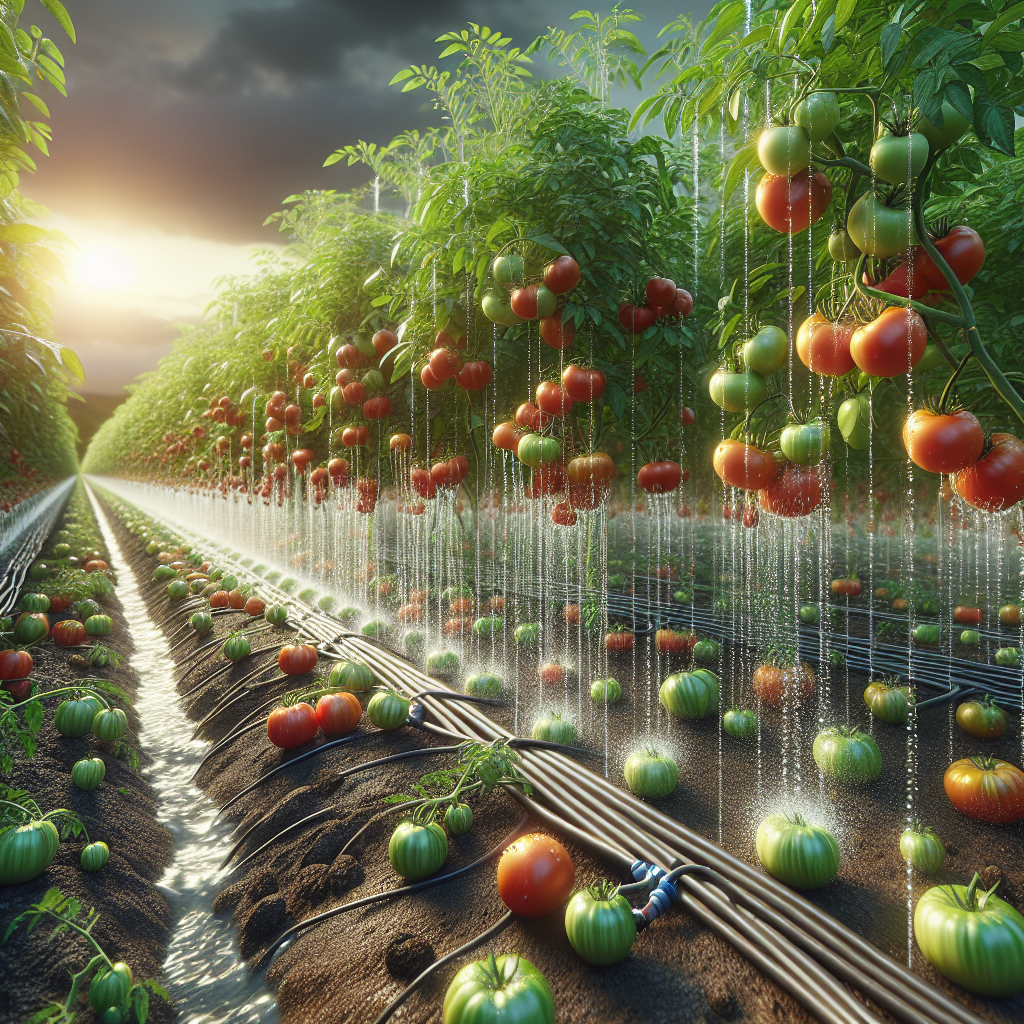
Drip irrigation is a method of watering plants by delivering water directly to the roots through a network of tubes, pipes, and emitters. This system specifically targets the soil around the plant base, minimizing evaporation and runoff. Instead of saturating an entire area, drip irrigation allows for precise water delivery, promoting efficient use of this precious resource.
How Does Drip Irrigation Work?
The system starts with a water source—this could be a municipal water supply, a rainwater collection system, or a well. Water is conveyed through tubing that is laid out along the rows of crops. Emitters, which can vary in flow rates, release water droplets close to the root zone of the plants. This controlled flow minimizes water loss and ensures that the tomatoes receive the optimal amount of moisture.
Why Choose Drip Irrigation for Tomatoes?
1. Water Efficiency
Water scarcity is a pressing global issue. Drip irrigation significantly reduces water use by minimizing evaporative losses and ensuring that each plant receives just the right amount of moisture. Studies have shown that drip irrigation can reduce water consumption by up to 50% compared to conventional watering methods.
2. Disease Prevention
Watering directly at the root zone minimizes the moisture on the leaves and fruit of the tomato plants, reducing the incidence of fungal diseases such as blight and mildew. This is especially important for tomatoes, which are vulnerable to various diseases in humid conditions.
3. Enhanced Growth and Yield
With consistent moisture levels, tomato plants can better absorb nutrients, leading to improved plant health, growth, and productivity. Drip irrigation has been reported to increase tomato yields by 20-30% compared to traditional watering techniques.
4. Weed Control
Drip irrigation applies water directly to the plant’s root zone, reducing the amount of moisture available to weeds. This can help in minimizing competition for resources, allowing your tomato plants to thrive.
5. Labor Efficiency
Although setting up a drip irrigation system can require some initial time and effort, once it’s established, it can significantly reduce the amount of time and labor needed for watering. Many systems can be automated to operate on a timer, freeing up time for gardeners to focus on other tasks.
Common Questions About Drip Irrigation for Tomatoes
Q1: How Do I Set Up a Drip Irrigation System for My Tomatoes?
Answer: The setup of a drip irrigation system can vary based on garden size and layout, but here are the basic steps to follow:
-
Plan Your Layout: Determine how many plants you have and their spacing. Draw a map of your garden to outline the location of your tomato plants and the water source.
-
Choose Your Equipment: You’ll need:
- Water source (tap, rain barrel, etc.)
- Mainline tubing (usually 1” or ¾” diameter)
- Drip tubing or soaker hoses (with emitters)
- Connectors and stakes
- Optional: a filter to remove debris and a pressure regulator.
-
Install the Mainline: Connect the mainline tubing to the water source, ensuring a consistent flow of water.
-
Lay Out the Drip Tubing: Use biodegradable stakes to secure the drip tubing in place along the rows of tomatoes. Make sure the emitters are positioned near the root zones of the plants.
-
Connect Emitters: Attach the emitters to the drip tubing. Depending on your tomato variety and growth stage, you may want emitters with different flow rates.
-
Test the System: Turn on the water and check for leaks. Ensure that each emitter is delivering water effectively to each plant.
-
Schedule Watering: Create a watering schedule based on factors like temperature, soil moisture, and plant growth stage.
Q2: How Often Should I Water My Tomatoes Using Drip Irrigation?
Answer: The frequency of watering can depend on several factors, including climate, soil type, and growth stage. On average, tomatoes may require watering every 1-3 days.
-
Seedling Stage: Water daily to keep soil consistently moist.
-
Vegetative Stage: As plants grow, you can reduce frequency, watering every 2-3 days.
-
Fruit Development Stage: Consistent moisture is critical during this stage; aim for 2-3 times a week, ensuring deep watering.
Always check soil moisture before watering. The top 1-2 inches should be damp but not soggy.
Q3: What Are the Costs Associated with Setting Up a Drip Irrigation System?
Answer: Initial setup costs will vary widely based on garden size and the complexity of your system. A basic home drip irrigation kit may range from $50 to $150. Larger, more sophisticated systems can cost upwards of $500 or more.
Here are a few factors contributing to cost:
-
Materials: Tubing, emitters, fittings, and optional components like timers and filters.
-
Labor: If you’re professional about it, hiring a landscaper or irrigation specialist can add to costs.
-
Maintenance: Regular maintenance (like replacing emitters or cleaning filters) should be factored in.
The benefits of enhanced tomato yields and water savings often justify the initial investment.
Q4: Can I Use Drip Irrigation with Organic Practices?
Answer: Absolutely! Drip irrigation is compatible with organic gardening practices. Organic fertilizers and compost can be applied through the drip system if it is set up correctly and using suitable materials.
Using organic mulches along with the drip system can further enhance water retention and reduce weeds.
Q5: What Maintenance Is Required for a Drip Irrigation System?
Answer: Regular maintenance is key to a functioning drip irrigation system. Here’s what you should regularly check:
-
Inspect Emitters: Periodically check emitters for clogs. Clean or replace them as needed.
-
Check Filters: If you’re using a filter, it should be cleaned frequently to ensure optimal water flow.
-
Monitor Water Pressure: Fluctuations in water pressure can impact the distribution of water. Make sure the pressure regulator is functioning properly.
-
Seasonal Winterization: In colder climates, it’s important to flush and drain your system before the winter to prevent damage from freezing.
-
Observe Plant Health: Regularly check your tomato plants for signs of over or under-watering, adjusting your system as necessary.
Q6: How Does Drip Irrigation Affect Soil Quality?
Answer: Drip irrigation can positively affect soil quality in several ways.
-
Moisture Management: Regular, controlled watering helps maintain soil structure, reducing erosion and compaction.
-
Nutrient Delivery: By transporting nutrients directly to the root zone when using fertigation, you can enhance nutrient uptake and minimize leaching.
-
Reduced Salinity Issues: With proper management, drip systems can help prevent salt buildup in the soil, a common issue with overhead watering.
Advantages of Drip Irrigation Over Conventional Methods
1. Precision Watering
Drip irrigation allows for targeted application, ensuring that only plants receive water, leading to healthier growth patterns.
2. Reduced Evaporation Loss
Minimizing water exposure to the atmosphere translates to significant water savings, especially in arid and semi-arid regions.
3. Responsive to Plant Needs
Drip systems can be adjusted for varying plant needs throughout their lifecycle, accommodating changes in moisture requirements.
4. Adaptable Designs
Drip systems can be customized to fit various garden layouts, allowing flexibility for crop rotation and companion planting.
5. Quick Installation
Many off-the-shelf drip irrigation kits are designed for easy DIY installation, making them accessible for home gardeners.
Disadvantages and Considerations
While drip irrigation is widely beneficial, it does have a few disadvantages worth considering:
-
Initial Costs: The upfront investment can be a barrier for some, although the long-term savings on water and potential yield increases often outweigh the initial costs.
-
Complexity: New users may find the system complicated if they haven’t previously engaged in irrigation setups. Simple errors can lead to issues.
-
Potential Blockages: Emitters can become clogged, particularly if the water contains debris or minerals, necessitating regular maintenance.
-
Limited Coverage: Drip irrigation doesn’t cover large areas. While this is beneficial in terms of water conservation, it may not be suitable for all gardening situations.
Conclusion
Drip irrigation offers a sustainable, efficient, and highly effective way to water tomato plants. By providing consistent moisture, reducing disease incidence, and enhancing yields, it champions itself as an invaluable tool for both novice gardeners and seasoned farmers alike.
As water scarcity issues loom ever larger, adopting efficient irrigation methods like drip systems becomes increasingly critical. Whether you’re growing heirloom varieties in a backyard plot or scaling up to meet commercial demands, drip irrigation not only nurtures your tomatoes but also conserves an essential resource for future generations.
With careful planning, monitoring, and maintenance, you can enjoy the fruits of your labor—plump, vibrant tomatoes that are not only delicious but sustainably grown. Embrace drip irrigation for a thriving, water-smart garden.