
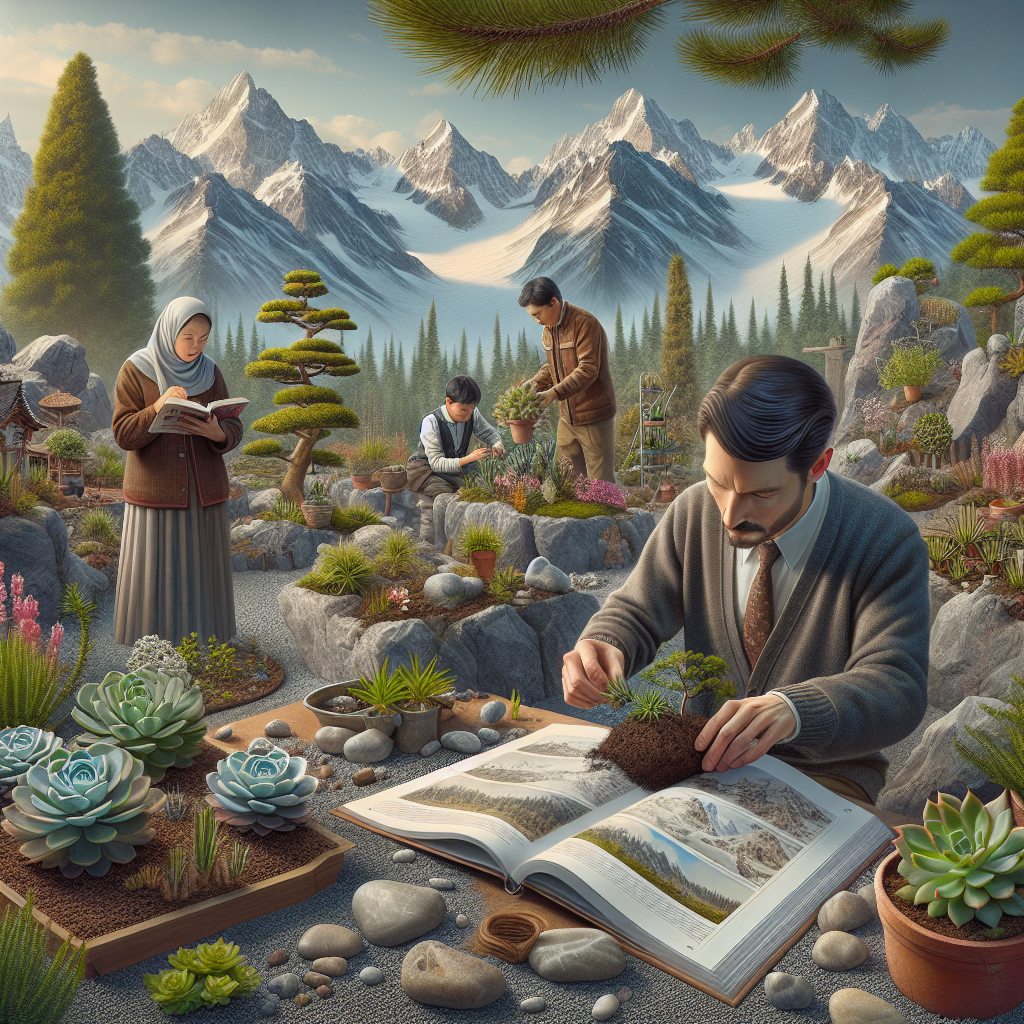
Creating an alpine garden is not only a unique way to celebrate the beauty of mountain landscapes but also a sustainable and rewarding gardening practice. With their beautiful, hardy plants that thrive in rocky, well-drained soil and variable weather conditions, alpine gardens can transport the magic of the mountains right into your backyard. In this detailed guide, we will explore how to create your own alpine garden, answering common questions along the way.
Table of Contents
- What is an Alpine Garden?
- Benefits of Alpine Gardening
- Choosing the Right Location
- Understanding Plant Types
- Selecting Alpine Plants
- Preparing the Soil
- Designing Your Alpine Garden
- Planting Techniques
- Maintenance and Care
- Troubleshooting Common Problems
- Frequently Asked Questions (FAQs)
- Final Thoughts
1. What is an Alpine Garden?
An alpine garden is a specialized garden designed to replicate the conditions found in high-altitude ecosystems. These gardens showcase a variety of plants that thrive in rocky, nutrient-poor soil found in mountainous regions. Typical alpine plants include dwarf perennials, rock garden plants, and succulents, which often feature vibrant flowers and unique forms.
Characteristics:
- Rocky Terrain: The garden mimics a natural mountain landscape with rocks, gravel, and well-drained soil.
- Diverse Flora: Incorporates a range of plant species, some of which may be rare or endemic to certain mountain ranges.
- Minimalist Aesthetic: Often designed for visual simplicity, focusing on texture, form, and subtle color variations.
2. Benefits of Alpine Gardening
Creating an alpine garden is not just an aesthetic choice; it offers many practical benefits:
Environmental Benefits
- Water Conservation: Alpine plants are drought-resistant, requiring less water compared to other garden types.
- Biodiversity Support: Attracts a range of pollinators, including bees and butterflies, fostering local biodiversity.
Personal Benefits
- Therapeutic Gardening: Caring for plants can reduce stress and improve mood.
- Sustainable Gardening: Reduces reliance on chemical fertilizers and pesticides due to the hardiness of alpine plants.
Aesthetic Appeal
- Year-Round Interest: Many alpine plants offer year-round beauty, with foliage texture visible in winter months.
- Unique Design Opportunities: Allows for creativity and artistry in arrangement and placement.
3. Choosing the Right Location
Selecting the right site for your alpine garden is crucial. Here are some critical considerations:
Sunlight
Most alpine plants thrive in full sun to partial shade. Choose a location that receives at least six hours of sunlight daily.
Drainage
Alpine plants are susceptible to root rot in overly wet conditions. Look for areas with natural slopes or rocky ground that enhance drainage.
Exposure
Consider wind exposure: alpine plants often grow in windy conditions, which can affect how you position them in your garden to prevent damage.
Proximity to Structures
Avoid planting too close to trees, large shrubs, or buildings that may cast shadows or compete for nutrients.
4. Understanding Plant Types
Hardy Perennials
These are the backbone of any alpine garden. They’re resilient, often bloom for long periods, and can return year after year.
Succulents
Known for their ability to conserve water, succulents are perfect for rocky areas where moisture might be scarce.
Dwarf Varieties
Different types of plants exist in dwarf forms for alpine settings, including shrubs and trees that roll with the aesthetic without overwhelming space.
Rock Garden Gems
These include smaller species of more common garden plants that adapt to rocky, well-drained soils.
5. Selecting Alpine Plants
Choosing the right plants is essential for a thriving alpine garden. Consider the following popular alpine plants:
1. Saxifraga
These vibrant plants come in many varieties and thrive in rocky soils. Perfect for planting in crevices.
2. Sempervivum (Hens and Chicks)
With their rosette form, they’re drought-tolerant and ideal for rock gardens.
3. Lewisia
Known for their stunning flowers, these plants thrive in poor soil conditions and can tolerate drought.
4. Phlox
A perennial that offers a colorful display and is very adaptable to different conditions.
5. alpine Edelweiss
This classic alpine flower is known for its distinct appearance and can be a centerpiece in your alpine landscape.
Local Considerations
Always consider selecting native plants or species that are adapted to your local climate for the best success.
6. Preparing the Soil
Preparing the soil for an alpine garden is one of the most critical steps. Follow these guidelines for optimal soil health:
Step 1: Test Your Soil
Perform a soil test to understand pH levels and nutrient content. Most alpine plants prefer a slightly acidic to neutral pH (6.0-7.0).
Step 2: Amend the Soil
Improve drainage and soil structure by incorporating:
- Gravel or Coarse Sand: Mix these into the soil for better aeration and drainage.
- Peat Moss: Helps retain a small amount of moisture while ensuring excellent drainage.
- Compost: Provides essential nutrients without oversaturating the soil.
Step 3: Build Raised Beds (Optional)
If your native soil isn’t suitable, consider creating raised beds to control the soil quality and drainage effectively.
7. Designing Your Alpine Garden
Designing your alpine garden requires creativity and an understanding of plant placement. Here are some tips for a successful design:
Create Levels
Incorporate different levels (using rocks or mounds) to mimic natural slopes. This not only facilitates drainage but adds visual interest.
Group by Color, Form, or Size
Arrange plants in groups based on their color or size to create a harmonized look. High-contrast colors can add drama, while softer hues create a more tranquil space.
Utilize Rocks and Stones
Incorporate natural stone elements as focal points. These structures not only serve an aesthetic purpose but also mirror the natural alpine environment.
Pathways and Borders
Create pathways using gravel or stepping stones to provide accessibility while highlighting different garden sections.
8. Planting Techniques
When to Plant
The best time to plant alpine species is in the spring or fall when the temperature is cooler, allowing roots to establish before the heat of summer or the cold of winter.
Planting Steps
- Preparation: Dig a hole that’s twice the size of the plant’s root ball.
- Placement: Remove any dead or damaged roots and place the plant in the hole, adjusting soil as necessary so that it sits at the same depth it was growing previously.
- Backfill: Gently backfill the hole with the prepared soil mixture, pressing down lightly to eliminate air pockets.
- Watering: After planting, water the plants thoroughly to help settle the soil.
9. Maintenance and Care
Watering
While alpine plants are drought-resistant, they will need regular watering during dry spells, especially while they are establishing.
Fertilization
Alpine plants typically require less fertilization. Use a balanced, slow-release organic fertilizer in the spring as needed.
Weeding
Regularly check for weeds, especially during the growing season. Weeds can compete for nutrients and space.
Pruning
Deadhead spent flowers and prune damaged or overgrown foliage to maintain the plants’ health and appearance.
Mulching
Using gravel or small stones as mulch can help retain moisture while providing a natural look.
10. Troubleshooting Common Problems
Poor Drainage
If water pools in your garden, consider reworking the soil or adding more gravel to the planting areas.
Pest Problems
Most alpine plants are relatively pest-resistant. If problems arise, consider natural pest controls before resorting to chemical options.
Disease Issues
Monitor plants for signs of rot or mold. If detected, remove affected plants and improve drainage as needed.
Overcrowding
If plants are becoming overcrowded, thin them out by transferring some to another area where they can thrive.
11. Frequently Asked Questions (FAQs)
Q: What tools will I need to create an alpine garden?
A: Basic gardening tools such as trowels, pruners, rake, shovel, and a watering can should suffice. Additional tools might include gloves and a watering hose.
Q: Can I plant alpine plants in containers?
A: Absolutely! Alpine plants do well in containers as long as the pot has good drainage and you use a well-draining soil mixture.
Q: How can I attract pollinators to my alpine garden?
A: Including a variety of flowering plants—especially native species—will attract bees, butterflies, and other helpful insects.
Q: What should I do during winter?
A: In colder climates, some alpine plants may benefit from a protective mulch layer to insulate the roots. However, most are hardy and don’t require additional care during winter.
12. Final Thoughts
Creating an alpine garden is a fulfilling endeavor that allows you to connect with nature while showcasing beautiful, resilient plants. By understanding the specific needs of alpine flora, selecting the right location, and implementing sound gardening practices, you can enjoy a stunning landscape year-round. Remember, patience and persistence are key to your gardening success—what starts as small, stubborn rock faces can blossom into a breathtaking alpine vista. So grab your gardening tools, select your plants, and embark on your alpine gardening journey! Happy planting!