
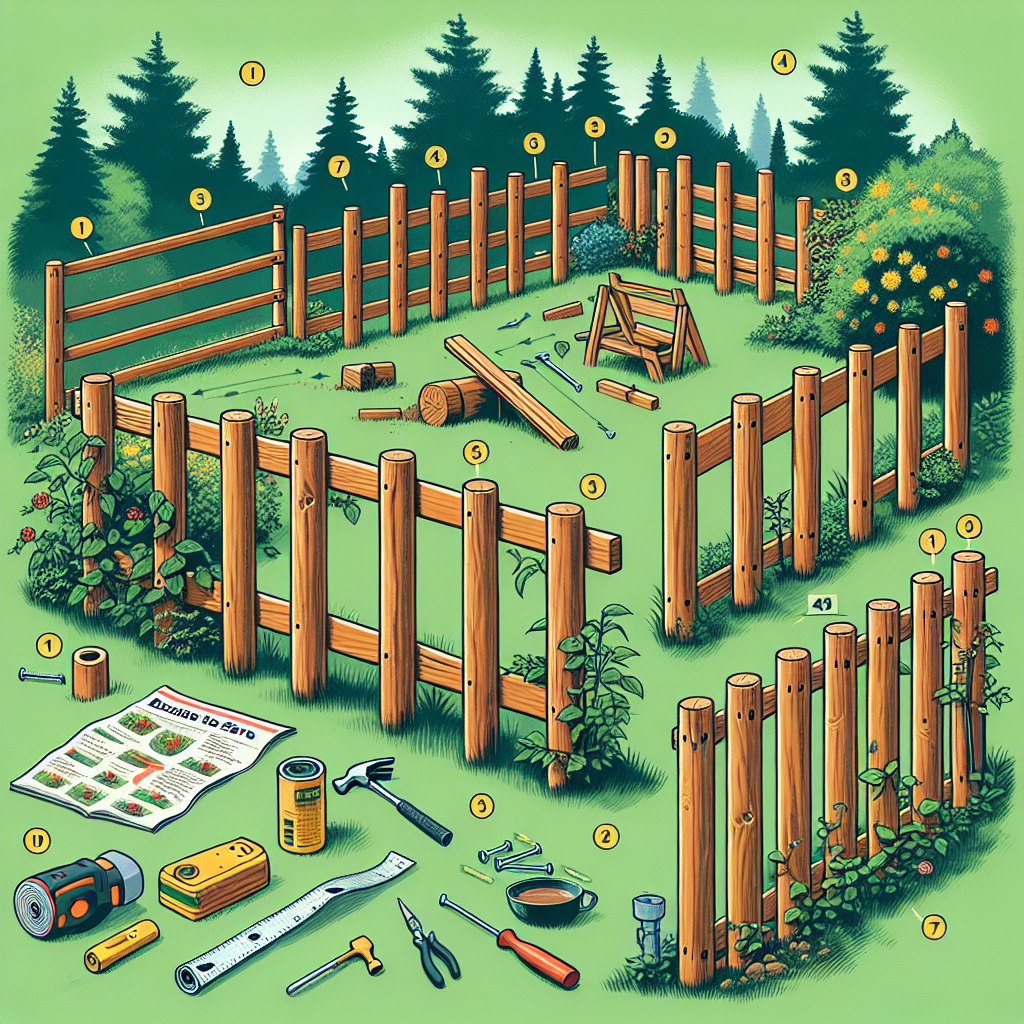
Building a garden fence is not just about erecting a barrier; it’s about creating a sustainable, aesthetic boundary that complements your outdoor space while offering protection for your plants. Whether you want to keep deer out, create a safe environment for pets, or delineate your garden space, a well-constructed fence can enhance your garden’s beauty and functionality. In this comprehensive guide, we will explore the myriad of options available for garden fencing, important considerations, and step-by-step instructions to help you build the perfect garden fence.
Table of Contents
- Why Build a Garden Fence?
- 1.1 Protection
- 1.2 Privacy
- 1.3 Aesthetic Appeal
- Types of Garden Fences
- 2.1 Wooden Fences
- 2.2 Vinyl Fences
- 2.3 Wire Fences
- 2.4 Composite Fences
- 2.5 Natural Barriers
- Legal Considerations
- Planning Your Garden Fence
- 4.1 Assessing Your Needs
- 4.2 Measuring the Space
- 4.3 Setting a Budget
- How to Build a Garden Fence
- 5.1 Materials Required
- 5.2 Preparation
- 5.3 Step-by-Step Instructions
- Maintenance Tips for Your Garden Fence
- Frequently Asked Questions
1. Why Build a Garden Fence?
1.1 Protection
One of the primary reasons for building a garden fence is protection. A fence serves as a physical barrier against various threats:
-
Wildlife: Animals like deer, rabbits, and raccoons can wreak havoc on your plants. A solid fence deters these pests from making your garden their buffet.
-
Pets: If you have pets, a garden fence keeps them contained and prevents them from digging up or trampling your hard work.
1.2 Privacy
A garden fence can offer much-needed privacy and seclusion. Whether you want to hide your garden from nosy neighbors or create a tranquil retreat away from urban noise, a good fence helps establish your personal space.
1.3 Aesthetic Appeal
Beyond functionality, a garden fence can significantly enhance the visual appeal of your yard. Choose materials and designs that complement your landscaping and home architecture. A well-designed fence can become a focal point, adorned with climbing plants or decorative elements.
2. Types of Garden Fences
When it comes to garden fences, the options are abundant. Understanding the different types can help you make an informed choice.
2.1 Wooden Fences
Pros:
- Versatile in design and height
- Can be painted or stained
- Natural aesthetic
Cons:
- Requires regular maintenance (painting, sealing)
- Vulnerable to rot and pests
Wooden fences are a classic choice, versatile enough to fit different styles. They can be built as solid panels, picket fences, or lattice designs.
2.2 Vinyl Fences
Pros:
- Low maintenance
- Durable and weather-resistant
- Available in various styles and colors
Cons:
- Initial cost can be high
- Limited rustic charm
Vinyl fences are a modern option, providing the look of a wooden fence without the upkeep.
2.3 Wire Fences
Pros:
- Cost-effective
- Allows visibility
- Easy to install
Cons:
- Less privacy
- May not deter larger animals effectively
Wire fences, including chain link and barbed wire, are economical and effective for keeping out small creatures.
2.4 Composite Fences
Pros:
- Eco-friendly (made from recycled materials)
- Resistant to rot and insects
- Low maintenance
Cons:
- Can be more expensive than wood
- Limited aesthetic choices
Composite fences combine wood fibers and plastic, offering the best of both worlds in terms of durability and appearance.
2.5 Natural Barriers
Pros:
- Environmentally friendly
- Enhance biodiversity
- Can be aesthetically pleasing
Cons:
- Takes time to grow
- Limited security
Hedges and shrubs can serve as natural barriers, providing beauty while protecting your garden.
3. Legal Considerations
Before you start constructing a garden fence, check local zoning laws and homeowner association guidelines. Certain areas have restrictions on fence height, placement, and material. It’s also wise to discuss your plans with neighbors to maintain good relationships and avoid conflicts.
4. Planning Your Garden Fence
4.1 Assessing Your Needs
What do you want to achieve with your fence? Understanding your primary objectives will guide your design choice:
- Security for plants? Consider a solid wooden or composite fence.
- Visibility? A wire fence could suffice.
- Aesthetic appeal? Perhaps a picket fence with climbing roses will suit your needs.
4.2 Measuring the Space
Measure the perimeter of the area you want to enclose. Be sure to consider gates and corners. Use marking paint or stakes to outline the proposed fence area.
4.3 Setting a Budget
Your budget will greatly influence your fence choice. Account for various aspects:
- Materials (wood, vinyl, hardware)
- Tools (if you don’t already own them)
- Labor (if hiring professionals)
- Maintenance (long-term care and repairs)
5. How to Build a Garden Fence
Building a garden fence is a rewarding DIY project. Here are the steps to guide you through the process.
5.1 Materials Required
- Fence panels (wood, vinyl, etc.)
- Fence posts
- Concrete or gravel (for securing posts)
- Fence nails or screws
- Hinges and latch (if including a gate)
- Tools: level, drill, post hole digger, saw, hammer, measuring tape, and string line
5.2 Preparation
-
Choose the Fence Design: Decide on the style based on your needs and aesthetic preferences.
-
Gather Materials: Purchase all necessary materials beforehand to avoid interruptions during construction.
-
Plan for Gates: Determine where gates will be placed for accessibility.
5.3 Step-by-Step Instructions
Step 1: Mark the Line
Use stakes and string to mark where the fence will go. Ensure the line is straight and follows your desired layout.
Step 2: Set the Posts
- Dig holes for your fence posts, typically 2-3 feet deep (check your local codes).
- Place a post in each hole, using a level to ensure it’s vertical.
- Fill the hole with concrete or gravel to secure it in place, allowing it to set as recommended.
Step 3: Attach Panels
- If using wooden panels, attach them to the posts using nails or screws.
- For vinyl or composite, follow manufacturer instructions for assembly.
Step 4: Create Gates
Install hinges on one side of the gate, attaching it to the post. Ensure it swings freely and can be secured with a latch.
Step 5: Finishing Touches
- Sand rough edges.
- Apply a sealant or stain to wooden fences for better durability.
- Plant climbing plants or decorate the fence to enhance its beauty.
6. Maintenance Tips for Your Garden Fence
- Regular Inspections: Check for any signs of rot, rust, or damage regularly.
- Cleaning: Remove debris and dirt to keep the fence looking fresh.
- Repainting and Staining: Wooden fences should be stained or painted every three to five years.
- Repairs: Fix any damages promptly to avoid worsening.
7. Frequently Asked Questions
Q: How tall should my garden fence be?
A: The height of your garden fence depends on its purpose. For privacy, aim for at least six feet; for animal control, four to six feet is usually sufficient.
Q: How deep should I bury the fence posts?
A: A general rule is to bury at least one-third of the post’s length. For a six-foot fence, this means a two-foot depth, especially in windy areas.
Q: How can I deter larger animals?
A: If larger animals like deer are a concern, consider a taller fence (8 feet) or add barbed wire along the top for additional deterrence.
Q: Can I install a fence myself, or should I hire a contractor?
A: It depends on your confidence and experience level. If you prefer a DIY approach and have the time, building it yourself can be satisfying and cost-effective. If you’re unsure, hiring a professional can save time and ensure quality.
Q: What should I do if my neighbor has an existing fence?
A: Always communicate with your neighbor before installing a fence. They may have guidelines regarding how close to the property line you can build and might appreciate being involved in your decision-making.
Building a garden fence is a fulfilling project that marries practicality with artistry. With the right preparation and materials, you can construct a beautiful fence that not only defines your garden space but also enhances your outdoor living experience. Whether it’s the tranquility of a blooming garden or the satisfaction of a DIY accomplishment, a garden fence is an investment in your home and well-being. So roll up your sleeves, gather your tools, and enjoy the rewarding journey of building your garden fence today!