
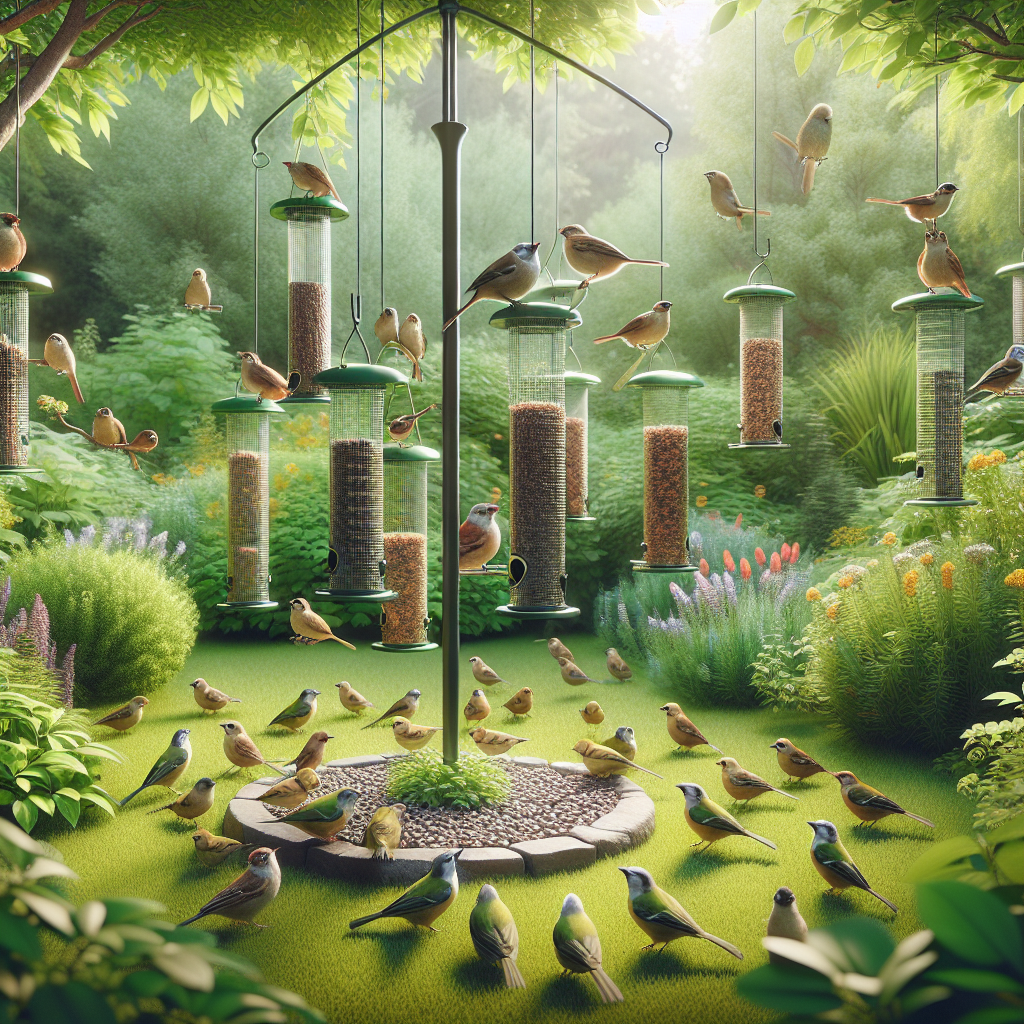
Feeding birds is a delightful way to connect with nature right in your backyard. The cheerful songs and vibrant colors of birds can bring life to any garden. However, one major concern for many avid bird watchers is the potential for attracting unwanted pests like rats. This article aims to explore the best methods to encourage garden birds while ensuring your feeding practices do not attract these undesirable visitors.
Why Feed Garden Birds?
Before diving into the intricacies of feeding methods, let’s discuss the benefits of feeding garden birds:
- Connection with Nature: Observing birds can foster a deeper appreciation for wildlife.
- Biodiversity Support: Supplementing food in your garden can help local bird populations, especially during harsh weather.
- Educational Opportunities: Bird feeding can be a great way to learn about avian species, their habits, and their environments, making it perfect for families.
- Aesthetic Pleasure: Birds attract beauty to your garden, enhancing its visual appeal with their colors and movements.
Understanding the Problem: Why Do Rats Come to Bird Feeders?
1. Food Availability
The primary reason rats are attracted to bird feeders is the availability of food. When seeds, nuts, or suet are spilled or left around the feeder, it creates a feast for these scavengers.
2. Shelter and Habitat
Rats often seek places that offer shelter or harbor additional food sources. Dense shrubs, cluttered areas, and overgrown gardens can inadvertently provide rats with the perfect environment.
3. Environmental Conditions
During colder months or wet weather, natural food sources may be scarce, prompting rats to seek out alternative food supplies in gardens.
4. Bird Feed Mixes
Some bird feed mixes are particularly attractive to rodents due to their high caloric content and appealing aromas. Ingredients like peanuts, sunflower seeds, and corn can easily attract rats.
How Can You Feed Birds While Keeping Rats at Bay?
1. Choose the Right Feeder
Using the right feeder is essential in preventing rat access to food:
Platform Feeders
While platform feeders attract a range of birds, they can also attract rats because spilled seeds fall on the ground. Consider using:
- Seed trays that catch excess seeds and can be easily cleaned.
Tube Feeders
Opt for tube feeders with feeding ports designed for birds only. These feeders should have:
- Limited access points to prevent larger animals like squirrels and rats from getting in.
Hopper Feeders
Hopper feeders can also be a good option. Make sure that:
- Design includes a weight mechanism that closes ports if a heavier animal tries to feed.
2. Proper Placement of Feeders
Where you place your feeders can significantly influence the likelihood of attracting rats:
Elevation
Position feeders a few feet off the ground:
- Suspended from thin wires or placed on poles with baffles can deter rats and squirrels alike.
Distance from Nesting Sites
Ensure feeders are at a safe distance from shrubs, brush piles, or other areas that may serve as nesting sites for rats. Aim for:
- At least 10 feet from potential shelter to minimize attraction.
3. Cleanliness is Key
Maintaining a clean feeding area is vital:
Regular Cleaning Schedule
- Clean feeders every two weeks to reduce seed residue and mold, which can attract pests.
Remove Excess Food
- Regularly check for spilled seeds and leftover food under and around feeders. Consider installing seed catchers or mats beneath them.
4. Choose the Right Feed
Opt for bird feed mixes that are less appealing to rats:
No-Mess Blends
These blends contain hulled seeds which leave little to no waste, reducing the chances of attracting rodents.
Avoid Popular Rat Foods
- Stay away from corn, peanuts, and other high-calorie grains that are attractive to both birds and rodents.
5. Implement Barrier Measures
Consider physical barriers to deter access:
Baffles
Install baffles on poles to prevent rodents from climbing to feeders.
Edible Vegetation
Plant herbs and flowers that attract birds around the feeding area; they can help mask the scent of seeds.
Rodent-Proofing
Consider installing fencing or mesh to cover areas where birds might spill seeds on the ground.
6. Timing and Frequency of Feeding
Limit attractants by managing feeding times:
Feed Only During Peak Hours
- Fill feeders during the early morning and late afternoon, when birds are most active, and remove leftover food later.
Seasonal Feeding
In winter, when natural food is scare, consider focused feeding—limit other times to make your area less attractive to rodents.
7. Monitor and Observe
Keep a keen eye on the activity in your garden:
Watch for Signs of Rodent Activity
Look for fresh droppings and tunnels, and act quickly if you notice them.
Bird Behavior
Take note of the bird species and their behavior, as some birds may inadvertently attract rats.
Answers to Common Questions
Q1: Can I feed birds without a feeder?
Absolutely! You can scatter seeds or put food on platforms. However, remember that open feeding sites might attract more pests. Always keep the area clean and opt for no-mess feed.
Q2: What types of food are safe for birds but deter rats?
Opt for:
- No-mess seed mixes.
- Suet or fat balls formulated specifically for birds.
- Live insects or dried mealworms.
Q3: Are there certain birds that attract rats more than others?
Yes! Larger ground-feeding birds such as doves and jays can be messier, often dropping seeds. Use elevated feeders for seed-eaters and spread seed near ground-dwelling species.
Q4: How can I tell if rats are present without seeing them?
Look for signs like:
- Fresh droppings (black and shiny).
- Scratching or gnawing marks.
- Runways or tunnels in the soil.
- Nesting materials like shredded paper or fabric.
Q5: Do certain times of the year see more rats?
Yes, particularly in winter months when natural food sources are scarce. Expect a spike in their activity just before and after harvest seasons in late summer and early fall as they seek food.
Q6: What if I see rats despite these preventive measures?
If you still notice a rat presence, consider:
- Contacting pest control.
- Discontinuing bird feeding for a short time.
- Adopting stricter cleanliness measures.
Conclusion
Feeding garden birds offers an enriching experience that can bring joy and tranquility to any home. While concerns about attracting rats are valid, they can be easily managed with the right techniques and practices. By selecting appropriate feeders, maintaining a clean feeding environment, and choosing the right food, you not only help ensure the safety and appeal of your garden but also create a lively haven for birds.
Explore innovative ideas, stay observant, and enjoy the beautiful feathered friends that frequent your yard—all without the nuisance of rats. Happy bird feeding!