
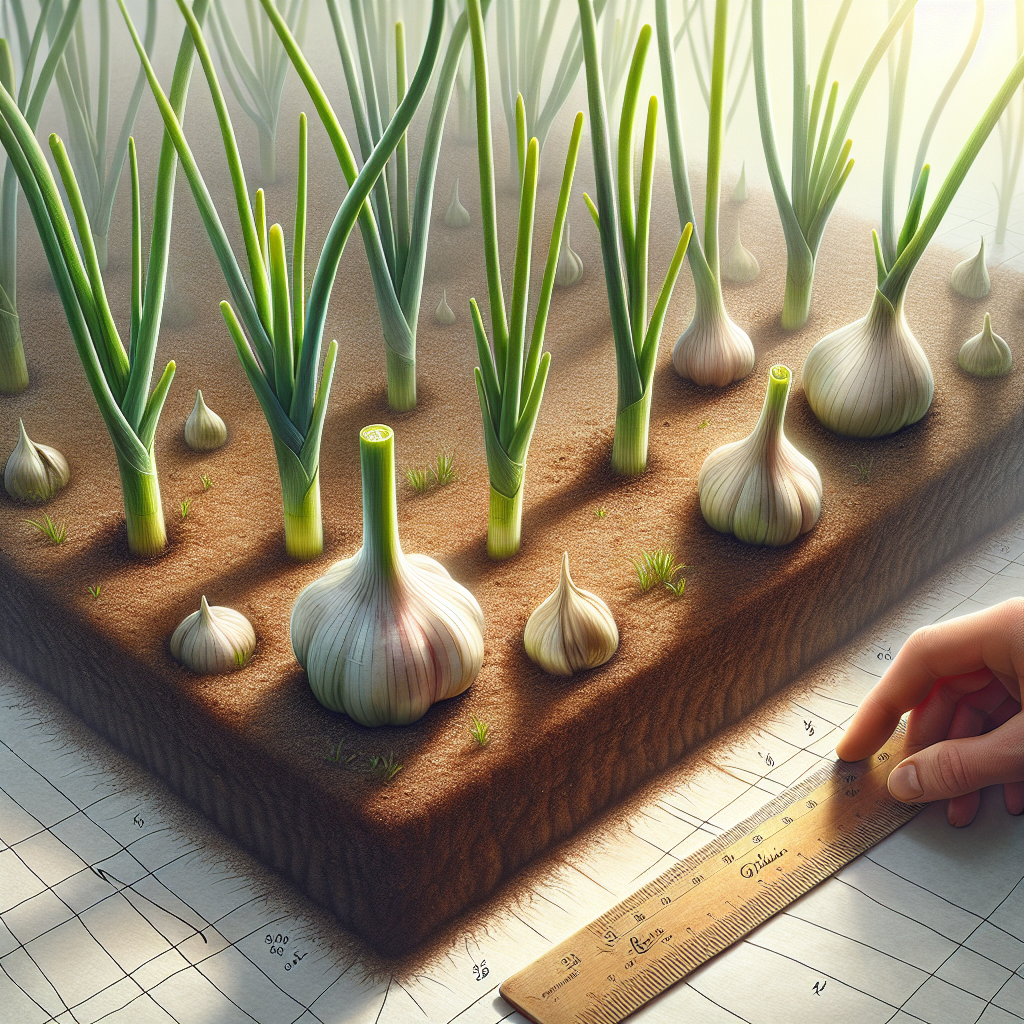
Garlic is not only a staple in kitchens around the world, but it’s also a favorite among home gardeners. The cultivation of garlic, with its pungent aroma and multifaceted flavor, can add a rewarding element to your gardening experience. However, for successful cultivation, understanding the space requirements for garlic growth is crucial. In this article, we’ll delve into the specifics of how much space garlic needs, the factors affecting its growth, and tips for nurturing your garlic crop to harvest.
Understanding Garlic: A Brief Overview
Garlic (Allium sativum) belongs to the Allium family, which also includes onions, leeks, and shallots. It’s a hardy plant well-suited to a range of climates, making it a popular choice for both home gardeners and commercial producers. Garlic grows in two main varieties: softneck and hardneck, both of which have different characteristics and growing requirements.
Before diving into space requirements, let’s first establish why garlic is so cherished in both culinary and health realms. Garlic boasts numerous health benefits due to its rich content of sulfur compounds, vitamins, and minerals. Research suggests that garlic may help lower blood pressure, improve cholesterol levels, and provide anti-inflammatory and antimicrobial properties. Aside from its health benefits, garlic’s versatility in the kitchen—from flavoring sauces to enhancing the taste of roasted vegetables—has made it an essential ingredient across cultures.
Table of Contents
- Why Does Space Matter in Garlic Cultivation?
- Ideal Spacing for Garlic
- Factors Affecting Garlic Growth Space Requirements
- 3.1 Soil Type
- 3.2 Climate Conditions
- 3.3 Variety of Garlic
- Methods for Planting Garlic
- 4.1 Row Planting
- 4.2 Raised Beds
- 4.3 Container Gardening
- Companion Planting with Garlic
- Common Mistakes to Avoid
- Garlic Harvesting and Storage Tips
- Frequently Asked Questions (FAQs)
1. Why Does Space Matter in Garlic Cultivation?
Garlic is a bulbous plant that requires an adequate amount of space to grow and mature healthily. The importance of space comes down to several factors:
- Air Circulation: Proper spacing ensures adequate airflow around each plant, reducing the risk of diseases that can thrive in tightly packed conditions.
- Nutrient Availability: Each plant needs room to access nutrients in the soil without competition from its neighbors, which can lead to stunted growth or smaller bulbs.
- Sunlight Exposure: Garlic thrives in bright sunlight. Spacing helps ensure each plant receives enough direct light for optimal photosynthesis.
2. Ideal Spacing for Garlic
When planning your garlic garden, a common guideline is to space your garlic cloves approximately 6 to 8 inches apart in rows that are 12 to 24 inches apart. This spacing allows the plants to develop robust bulbs while maintaining good ventilation.
Softneck vs. Hardneck Garlic
Softneck Garlic
- Spacing: 4 to 6 inches apart
- Row Width: 12 to 18 inches apart
Softneck garlic tends to produce more cloves per bulb and is often used for braiding.
Hardneck Garlic
- Spacing: 6 to 8 inches apart
- Row Width: 12 to 24 inches apart
Hardneck varieties usually have larger bulbs and fewer cloves but offer the advantage of a stronger flavor profile.
Density Considerations
As a rule of thumb, the number of bulbs you can harvest from a standard 100-square-foot plot varies based on the garlic variety. For instance, you can expect:
- Softneck: Approximately 1,200 to 1,500 plants.
- Hardneck: Approximately 800 to 1,200 plants.
3. Factors Affecting Garlic Growth Space Requirements
3.1 Soil Type
The type of soil you have influences the growth and spacing of garlic. Well-draining, loamy soils are ideal. Compact or clayey soils can lead to poor bulb formation and disease issues. You can improve soil structure by adding organic matter and ensuring it is well-aerated.
3.2 Climate Conditions
Garlic thrives in regions with sunny climates and a cool period, particularly during the growth phase. Areas experiencing high humidity may require additional spacing for airflow to prevent fungal diseases. Conversely, in arid climates, closer spacing may conserve moisture but could lead to competition for nutrients.
3.3 Variety of Garlic
As previously mentioned, the type of garlic you choose will influence how much space you should allocate. Softneck garlic tends to be more forgiving in closer spacing. However, hardneck garlic will require more space due to its tendency to grow larger bulbs.
4. Methods for Planting Garlic
4.1 Row Planting
Row planting is a straightforward method that allows for easy access to each plant and better organization.
- Step 1: Prepare the soil to a depth of at least 12 inches.
- Step 2: Create straight furrows 12 to 24 inches apart.
- Step 3: Plant cloves at a depth of 2 inches and cover lightly with soil.
4.2 Raised Beds
Raised beds provide excellent drainage and can help you manage soil quality better. If you’re gardening in a location with poor drainage, consider these steps:
- Step 1: Build a raised bed that is at least 12 inches high.
- Step 2: Fill it with a mixture of top soil, compost, and other organic materials.
- Step 3: Space your garlic cloves as previously discussed.
4.3 Container Gardening
Container gardening is an excellent option for urban gardeners or those with limited yard space.
- Container Size: Use at least a 12-inch deep container.
- Soil: Ensure it has drainage holes and fill it with a rich potting mix.
- Spacing: Keep garlic cloves spaced at 6-inch intervals to ensure healthy growth.
5. Companion Planting with Garlic
Garlic is not just a standalone plant; it can also serve as a companion for various crops, owing to its pest-repelling properties.
Beneficial Companions:
- Tomatoes: Can help deter harmful pests and diseases.
- Carrots: Garlic can ward off the carrot root fly.
- Strawberries: May reduce diseases while enhancing flavors.
However, be cautious of plants such as beans and peas, which do not thrive well when planted near garlic due to their sensitivity to garlic’s sulfur compounds.
6. Common Mistakes to Avoid
- Overcrowding: One of the biggest mistakes is not providing enough space, leading to smaller yields and unhealthy plants.
- Ignoring Soil Quality: Garlic thrives in well-drained soils rich in organic material. Skipping soil amendments can negatively impact growth.
- Poor Watering Practices: Over-watering or underwatering can stress plants. A consistent, moderate watering schedule is crucial.
- Not Rotating Crops: Failing to rotate your garlic with other crops can lead to soil nutrient depletion and pest buildup.
7. Garlic Harvesting and Storage Tips
Harvesting
Garlic is typically ready for harvest when the lower leaves turn brown and wither, while the upper leaves remain green. This usually occurs about 8 to 9 months after planting. Use a garden fork to gently lift the bulbs out of the ground.
Storage
After harvesting, allow your garlic to cure in a well-ventilated area out of direct sunlight for about three weeks. Store cured garlic in a cool, dark, and dry place, ideally with good airflow, to ensure a longer shelf life.
8. Frequently Asked Questions (FAQs)
Q1: How deep should I plant garlic cloves?
A1: Cloves should be planted about 2 inches deep for optimal growth.
Q2: Can I grow garlic in partial shade?
A2: Garlic prefers full sun, but it can tolerate partial shade. However, yield may be lower.
Q3: How can I tell if my garlic is ready to harvest?
A3: When the lower leaves turn brown and the upper leaves remain green, it’s time to harvest your garlic.
Q4: What happens if I plant garlic too close together?
A4: Overcrowding can lead to smaller bulbs, disease susceptibility, and stunted growth.
Q5: Can garlic be grown year-round?
A5: Garlic is a cool-season crop and generally does best when planted in the fall before the ground freezes. In warmer climates, it can be grown year-round with proper care.
Conclusion
Garlic is a remarkable plant that can thrive in various conditions, but understanding its space requirements is key for a successful yield. By applying the insights shared in this article—from ideal spacing to necessary care—you’ll be well-equipped to cultivate a flourishing garlic garden. The time and effort invested in growing garlic can pay off significantly with flavorful, homegrown bulbs that enrich your culinary experiences. Embrace the journey, enjoy the learning process, and relish the rewards of your hard work! Happy gardening!