
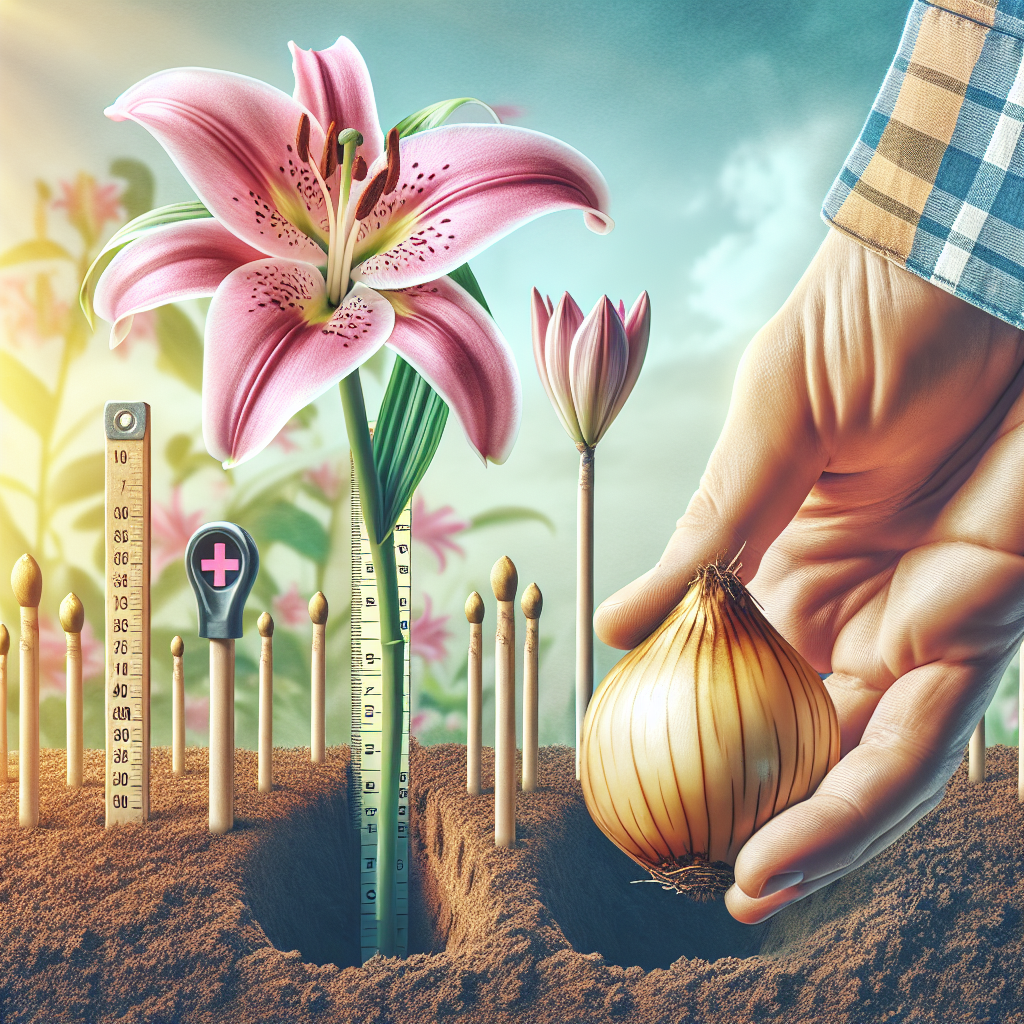
Lily bulbs are among the most cherished additions to any garden. Not only do they boast stunning flowers and an exquisite fragrance, but they’re also relatively easy to grow, making them a favorite for novice gardeners and seasoned horticulturists alike. When it comes to planting lily bulbs, one of the most frequently asked questions is: “How deep should I plant my lily bulbs?” This article transcends that question and explores every facet of lily bulb planting, including optimal conditions, varieties, care, and much more.
Understanding Lily Bulbs
Before we delve into the specifics of planting depth, it’s crucial to understand what lily bulbs are and their growth characteristics. Unlike many other flowering plants, lilies are not true bulbs but rather “scaly bulbs,” meaning they possess multiple scales. These scales are specialized leaves that store nutrients and energy, allowing the plant to thrive.
Lily bulbs typically grow into tall, robust plants that feature large, trumpet-like flowers. Their height can range from a few feet in some varieties to over six feet in others. With such diversity, their blooms also vary in color, pattern, and fragrance, making them a versatile choice for landscapes, borders, or containers.
How Deep Should You Plant Lily Bulbs?
Standard Rule of Thumb
When it comes to planting depth, a general rule for lily bulbs is to plant them approximately 6 to 8 inches deep. This depth allows the bulbs to develop robust root systems while minimizing exposure to extreme temperature fluctuations. Planting too shallow could risk damage from frost or desiccation, while planting too deep might lead to poor drainage and bulb rot.
Factors Influencing Planting Depth
1. Bulb Size
The size of the bulb plays a significant role in determining the depth at which it should be planted. Larger bulbs tend to require deeper planting due to their greater energy reserves. For example, large trumpet or oriental lilies may prefer a depth closer to 8 inches, while smaller Asiatic or Calla lily bulbs could thrive at around 4 to 6 inches.
2. Soil Type
Soil composition can also affect planting depth. Sandy soils are well-drained and typically don’t retain moisture, allowing you to plant slightly deeper. In contrast, heavy clay soils that retain water may necessitate a shallower planting depth to prevent rot. Observing your soil structure can guide your planting depth.
3. Climate Zone
In warmer climates, the soil temperature rises more quickly in the spring, promoting bulb growth. In such cases, a deeper planting may be more beneficial to insulate bulbs from extremes. Conversely, in colder climates, you might want to ensure that bulbs aren’t planted too deeply to avoid frost heave.
4. Watering Practices
If you tend to use heavy watering practices, deeper planting may help your lilies access moisture more effectively. However, should you plan to water sparingly, consider planting at a shallower depth, allowing for easier absorption.
FAQs about Planting Lily Bulbs
Q1: Can I plant lily bulbs directly after purchasing them?
A1: Yes, you can plant lily bulbs right after purchasing! Make sure to examine them for any signs of rot or illness. Healthy bulbs will feel firm to the touch; if they’re soft or mushy, they may not thrive. For best results, plant your bulbs in the spring or fall, aligning with the specific plant types and your local climate.
Q2: Is there such a thing as planting too deep?
A2: Yes, while deeper planting can be beneficial in some cases, going beyond the general recommendation of 6 to 8 inches can lead to problems such as poor drainage and root rot. A depth greater than 10 inches may make it challenging for the plant to access essential sunlight, although individual circumstances may vary.
Q3: Should I amend my soil before planting?
A3: Absolutely! Before planting your lily bulbs, it’s beneficial to improve the soil structure by incorporating organic matter, such as compost or well-rotted manure. This practice can enhance drainage and provide essential nutrients, leading to healthier growth and vibrant blooms.
Q4: When is the best time to plant lily bulbs?
A4: The ideal time to plant your lily bulbs largely depends on your climate zone. In temperate regions, spring is generally the best time, as soil temperatures rise, promoting faster root growth. In milder areas, fall planting also works well, allowing bulbs to establish roots before the winter sets in.
Q5: How can I prepare my bulbs before planting?
A5: If your lilies are packaged, make sure to remove any wrapping before planting. Some gardeners suggest soaking the bulbs in water for about 30 minutes prior to planting to give them a hydration boost. This practice can be beneficial if you’ve purchased them dry from a store.
Steps for Planting Lily Bulbs
1. Choose the Right Location
Select a spot in your garden with full sun (ideally 6 to 8 hours of sunlight per day). Lilies can also tolerate partial shade, but too much shade may impede flowering. Good air circulation is crucial to prevent fungal diseases.
2. Prepare the Soil
Before planting, loosen the soil to a depth of about 12 inches and incorporate organic matter. This step ensures good drainage while enriching the soil, which is vital for bulb health.
3. Digging the Holes
Create holes that align with the size of your bulbs, keeping in mind the 6 to 8 inches depth guideline. You can space the bulbs about 12 to 18 inches apart to allow adequate airflow.
4. Planting the Bulbs
Place the bulb in the hole with the pointed end facing upwards. Gently cover it with soil, ensuring not to compact it too much, as this can impede growth. Ensure the soil is above the top of the bulb but is not mounded excessively.
5. Watering
Water the area lightly to ensure that the soil settles around the bulb. Overwatering can cause bulb rot, so let the top couple of inches of soil dry out before watering again. Consistent moisture is essential, especially while the bulbs are establishing themselves.
6. Mulching
Adding a layer of mulch can help retain moisture and suppress weeds. Ideally, use organic mulch, as it will break down over time and contribute nutrients back into the soil.
7. Follow-Up Care
Monitor your newly planted lilies for signs of growth. Fertilize lightly with a phosphorus-rich fertilizer as they start to sprout, and keep an eye out for pests or diseases. Routine checks will help catch any issues early.
Caring for Your Lilies Post-Planting
Once your lily bulbs have been planted, care doesn’t stop there. Understanding how to care for them correctly can mean the difference between vibrant blooms and lackluster growth.
Watering
While lilies love moisture, it’s critical to avoid waterlogging the soil. Generally, a good rule of thumb is to water your lilies when the top inch of soil feels dry.
Fertilizing
A monthly application of a balanced, slow-release fertilizer can enhance bulb development and flowering. Consider a formula high in phosphorus, as it encourages blooming.
Pest and Disease Management
While lilies are relatively hardy, they can suffer from a few common pests, including aphids, spider mites, and lily beetles. Using insecticidal soap can effectively manage these pests. Furthermore, practicing good garden hygiene—such as removing spent blooms and debris—can minimize disease risks.
Supporting Tall Varieties
If you’ve planted tall lily varieties, consider staking them during their growth phase to prevent breaking under the weight of the blooms. This not only ensures a neat garden appearance but also promotes healthy growth.
Deadheading
Once your lilies bloom, deadheading—removing spent flowers—can redirect energy back into bulb growth rather than seed production. Be cautious, however, not to remove the leaves until they have turned yellow; they are still contributing nourishment to the bulb.
Conclusion
Planting lily bulbs can be a rewarding endeavor, bursting with color and fragrance. While the depth at which you plant your lily bulbs is a significant factor in their successful growth, consideration of soil type, climate, and care thereafter is equally important. By understanding these factors, gardeners can ensure that their lilies not only survive but thrive, bringing joy and beauty to their outdoor spaces year after year.
So whether you’re planting in your backyard or a community garden, take the time to follow these guidelines and watch as your lilies flourish into breathtaking flowers. Happy gardening!