
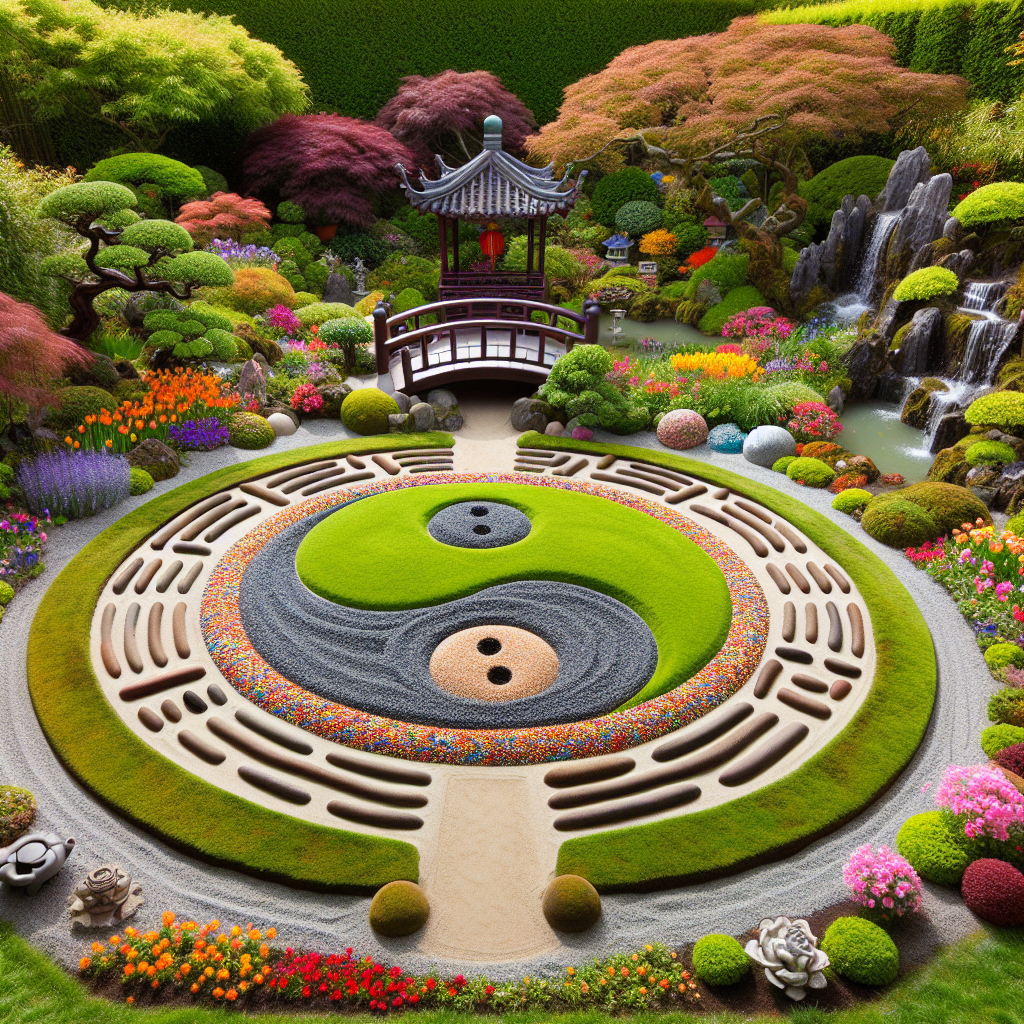
Feng Shui, an ancient Chinese practice, emphasizes creating a harmonious environment through the careful arrangement of space. While many may associate Feng Shui primarily with interior design, its principles can be incredibly beneficial when applied to outdoor spaces, particularly gardens. In this comprehensive article, we will delve into the intricacies of Feng Shui in gardening, exploring its history, foundational principles, practical applications, and the benefits it can bring to your personal sanctuary.
Understanding Feng Shui: A Brief Overview
What is Feng Shui?
Feng Shui, pronounced “fung shway,” translates to “wind-water.” It is an ancient practice rooted in Taoism that aims to create balance and harmony within environments. By understanding how energy, or “Qi,” flows through a space, one can design areas that support well-being, prosperity, and tranquility.
How Did Feng Shui Evolve?
Feng Shui has evolved over thousands of years, originating in China around 3,000 years ago. It began as a method for determining the most auspicious locations for buildings, allowing natural elements and human habitation to coexist harmoniously. Over centuries, practitioners expanded its application to all aspects of life, including landscape design and gardening.
The Key Principles of Feng Shui in Garden Design
-
Qi (Energy):
The flow of Qi is central to Feng Shui. In a garden, this means ensuring that energy flows smoothly without obstruction. Ideas for promoting Qi include varying plant heights, creating clear pathways, and employing curves instead of sharp angles. -
Yin and Yang:
This principle embodies the balance between opposites. In the garden, you create harmony by combining hardscape (paths, rocks) with softscape (plants, water features), promoting both resting and energizing spaces. -
Five Elements:
The Five Elements—Wood, Fire, Earth, Metal, and Water—are essential in Feng Shui. Each element represents different qualities and energies. A balanced garden will incorporate all five elements to enhance harmony and vitality. -
Bagua Map:
The Bagua map is a tool used in Feng Shui to analyze energy areas of a space, corresponding to different life aspects like wealth, health, and love. Using this map in your garden helps optimize the energy of specific areas based on your personal goals. -
Natural Shapes and Textures:
Nature is not linear but rather fluid. Integrating curves, soft edges, and natural textures invites a sense of ease into the garden, aligning it with natural Feng Shui principles.
Practical Applications: Designing Your Feng Shui Garden
1. Assessing Your Space:
Start by observing your current garden layout. Where does sunlight fall? Is the space open or confined? How does rainfall influence your garden? Answering these questions helps you understand how Qi flows in your environment.
2. Utilize the Bagua Map:
To use the Bagua map, you’ll need to draw an outline of your garden based on the shape of your property. Divide it into nine sections, each representing different life aspects. By identifying where money, relationships, health, and other vital areas reside in your garden, you can enhance these energies.
3. Incorporating the Five Elements:
- Wood: Plant a variety of trees, shrubs, and flowering plants to encourage growth and vitality. Aim for a mix of sizes and shapes to add diversity.
- Fire: Introduce bright colors through blooming flowers or use outdoor fireplaces and lanterns to impart warmth.
- Earth: Incorporate stones, clay pots, or even a rock garden to provide grounding energy. The earth represents stability and nourishment.
- Metal: Select metal garden sculptures, furniture, or trellises to add a touch of precision and clarity.
- Water: If possible, incorporate water elements like ponds, fountains, or birdbaths. Water symbolizes abundance and prosperity, drawing positive energy to your space.
4. Paths and Walkways:
Creating meandering paths rather than straight lines allows for a more gentle flow of Qi. Paths should be broad enough for comfortable navigation but not overly rigid. Use natural materials like gravel, stone, or wood to add organic texture.
5. Balance and Harmony:
In designing your garden, observe how different elements interact with each other. Play with plant heights and colors to establish a visual balance. Ensure that no single element dominates the space, creating an overbearing atmosphere.
Enhancing Specific Areas of Your Garden
Wealth and Abundance Area
Where is it located?
According to the Bagua, the wealth corner is usually in the southeast section of your garden.
What can you add?
In this area, plant lush, green plants like money trees or bamboo. Flowing water features, such as fountains, symbolize abundance and attract financial prosperity.
Love and Relationships Area
Where is it located?
Often found in the southwest section of your garden.
What can you add?
Add pairs of plants or decor to symbolize unity and partnerships. Choose soft, inviting colors for plants and flowers, such as pinks and reds, to enhance love energy.
Health Area
Where is it located?
This section typically resides in the center of your garden.
What can you add?
Create a vibrant space filled with medicinal herbs, fragrant plants, and lush greenery. Ensure that it’s well-lit and open, providing a vital space for relaxation and rejuvenation.
Frequently Asked Questions About Feng Shui in Gardens
What common mistakes should I avoid when designing my Feng Shui garden?
-
Clutter: Excessive ornaments, pots, or debris can obstruct the flow of Qi. Maintain a clean, organized space.
-
Sharp Angles: Paths or hardscapes with sharp corners disrupt energy flow. Opt for curves where possible.
-
Overgrown Plants: Neglecting garden maintenance can lead to stagnant energy. Regularly cultivate and prune your plants.
How can I tell if my garden has good Feng Shui?
- Singular dominant features (e.g., a huge tree or sculpture) can disrupt balance.
- Presence of open spaces versus too many structures or plants can indicate Qi flow.
- The overall feeling of peace and balance when you spend time in the garden is a good sign of positive energy.
Can Feng Shui techniques be applied to urban gardens or balconies?
Absolutely! Urban spaces can significantly benefit from Feng Shui concepts. Utilize container gardening to introduce greenery, choose colors wisely, and arrange plants and decor to harmonize with your individual desires and the surrounding environment.
How often should I re-evaluate my Feng Shui garden?
As life transitions—such as changes in relationships, finances, or personal health—it’s a good idea to reassess your garden’s Feng Shui. Seasonal evaluations and adjustments can help maintain positive energy and flow.
The Emotional and Spiritual Benefits of a Feng Shui Garden
A garden designed with Feng Shui principles can do more than enhance physical spaces. It offers emotional and spiritual support through:
-
Stress Reduction: Natural elements provide a calming effect, reducing stress and anxiety levels. The tranquility of a well-placed water feature or a lush plant can foster relaxation and inner peace.
-
Mindfulness and Reflection: Creating a space in your garden for meditation or contemplation allows for personal reflection. An inviting nook surrounded by blooming flowers and greenery can serve as a sanctuary for introspection.
-
Enhanced Social Connections: A balanced garden invites social gatherings, encouraging connections among family and friends. A harmonious outdoor space can host barbecues, celebrations, or casual get-togethers, enriching relationships.
Conclusion: Transforming Your Garden into a Harmonious Oasis
Designing a Feng Shui garden is not merely about aesthetics; it’s a holistic process that considers energy, balance, and harmony. Every plant, path, and decorative element can contribute to the flow of Qi, enhancing your life in significant ways. By thoughtfully applying Feng Shui principles, you create a beautiful, functional, and rejuvenating space that reflects your intentions and aspirations.
As you embark on your gardening journey, remember to remain open to the natural rhythms of the environment. Allow your garden to evolve organically, just like you. With patience and creativity, your garden can serve as a powerful retreat, grounding you in tranquility, connection, and the abundant energies of life.
Ultimately, Feng Shui in the garden invites us to remember our profound connection to nature. It’s a reminder that just as plants flourish with proper care, we too can thrive when we nurture the spaces around us. Explore, experiment, and create a sanctuary that resonates with your personal energy, making your garden a joyful expression of who you are.