
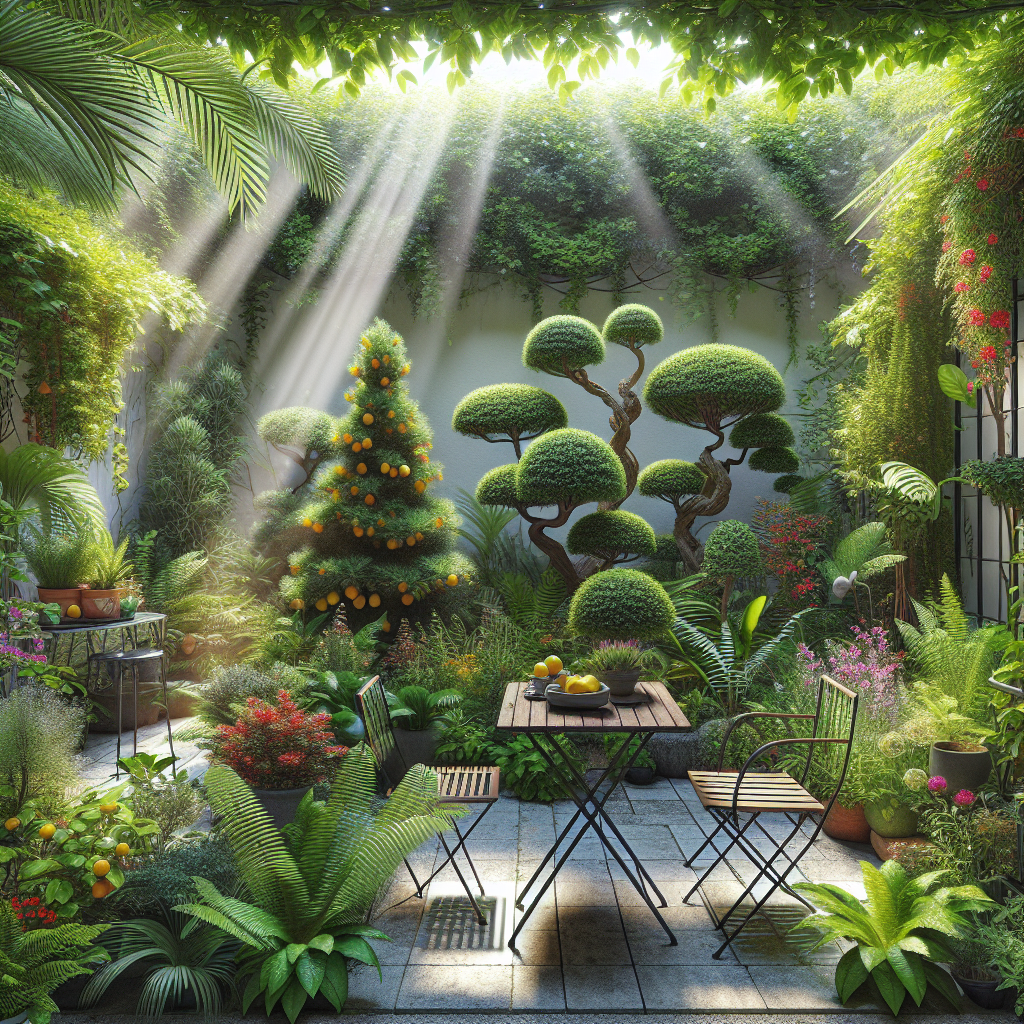
Imagine stepping out onto your patio, greeted by a stunning landscape of lush greenery, vibrant blooms, and the gentle rustle of leaves swaying in the breeze. For many urban dwellers and homeowners with limited outdoor space, creating a beautiful garden can often seem like a distant dream. However, this is where the enchantment of dwarf trees comes into play, transforming patios into vibrant oases. This article delves into the world of dwarf trees for patio gardens, providing an in-depth guide to creating a miniature woodland paradise right in your backyard.
What Are Dwarf Trees?
Definition and Characteristics
Dwarf trees, also known as miniature trees or bonsai trees, are varieties of traditional trees that have been cultivated to remain small, usually reaching a height of 3 to 10 feet when fully grown. These trees maintain the aesthetic appeal and character of their larger counterparts but are suitable for smaller spaces like patios or balconies.
Characteristics of Dwarf Trees:
- Size: Dwarf trees typically have a smaller canopy and shorter trunks.
- Root System: They have a less extensive root system, making them ideal for container gardening.
- Varieties: There’s a vast array of species that can be classified as dwarf, including flowering trees, fruit trees, and evergreens.
Why Choose Dwarf Trees for Your Patio Garden?
1. Space Efficiency
One of the most significant advantages of dwarf trees is their ability to thrive in limited spaces. Unlike traditional trees, dwarf varieties do not require expansive yards. They can be perfectly placed in pots on patios, balconies, or even small gardens.
2. Aesthetic Appeal
Dwarf trees bring the beauty of nature to your living space. They provide structure, color, and texture to your patio garden, enhancing its visual appeal. When selected thoughtfully, these trees can create a multi-layered landscape that feels both inviting and serene.
3. Versatile Options
From flowering trees to fruit-bearing varieties, dwarf trees offer a wide range of options. You can choose based on the seasons, blooms, and foliage types, allowing you to curate a personalized garden that reflects your style and preferences.
4. Low Maintenance
Many dwarf trees are easier to care for than larger trees. They often have fewer pest problems and require less pruning due to their size. With proper care, a dwarf tree can provide years of enjoyment with relatively low effort.
Choosing the Right Dwarf Trees for Your Patio Garden
Factors to Consider
Before selecting dwarf trees for your patio garden, consider the following factors:
-
Climate: Ensure the trees you choose are suitable for your climate zone. Research the temperature, humidity, and rainfall in your area.
-
Sun Exposure: Assess how much sunlight your patio receives daily. Some dwarf trees thrive in full sun, while others prefer partial shade.
-
Soil Type: Consider the type of soil in your pots. Ensure it is well-draining and suitable for the tree species you choose.
-
Size and Scale: Ensure the trees you select will fit comfortably in your available space without crowding or overwhelming the area.
Recommended Dwarf Trees
-
Japanese Maple (Acer palmatum)
Japanese Maples are beloved for their graceful structure, vibrant foliage, and delicate blossoms. They thrive in partial shade and perform well in containers, making them ideal for patios. -
Dwarf Alberta Spruce (Picea glauca ‘Conica’)
This evergreen shrub maintains a conical shape and reaches about 3-5 feet tall. It’s perfect for adding year-round interest and provides a wonderful backdrop for seasonal plantings. -
Crape Myrtle (Lagerstroemia indica)
Dwarf varieties of Crape Myrtle bloom vibrantly in late summer, offering a splash of color to your patio. They are relatively drought-tolerant once established. -
Fruit Trees
Consider dwarf varieties of fruit trees such as Apple (Malus domestica) or Cherry (Prunus avium) for an edible element in your garden. These provide not only beauty but also delicious fruits. -
Olive Tree (Olea europaea)
Dwarf olive trees bring an air of the Mediterranean to your patio garden. They prefer full sun and well-drained soil and can tolerate dry spells.
How to Plant Dwarf Trees in Containers
1. Choose the Right Container
Select a pot that allows for the growth of the tree’s root system. Ensure it has drainage holes to prevent waterlogging. The ideal size depends on the tree species—generally, a pot 12 to 18 inches in diameter works well for most dwarf trees.
2. Soil Preparation
Use high-quality potting soil, ideally one designed for container gardening. Mix in materials like perlite or vermiculite for better drainage.
3. Planting
- Fill the pot with soil, leaving enough space for the root ball.
- Gently remove the tree from its nursery container and loosen any tightly wound roots.
- Place the tree in the center of the pot, ensuring that the top of the root ball is level with the soil surface.
- Fill in with soil and water thoroughly.
4. Placement and Care
- Position the pot in a location that meets the sunlight needs of the tree.
- Water regularly, allowing the topsoil to dry out slightly between waterings.
- Fertilize with a balanced fertilizer during the growing season.
Designing Your Dwarf Trees Patio Garden
Layout Ideas
Creating a beautiful patio garden involves thoughtful planning. Here are some layout ideas to inspire you:
-
Layering: Place taller dwarf trees at the back of the patio and shorter ones in front. This creates depth and allows each tree to be visible.
-
Grouping: Cluster multiple pots together to create areas of interest. Combine trees with different textures, foliage colors, and heights.
-
Seating Areas: Designate spaces with seating arrangements among the trees. A small bench or chairs can turn the patio into a cozy escape.
-
Vertical Elements: Consider vertical gardening with trellises, hanging plants, or wall-mounted planters to make effective use of space.
Seasonal Considerations
Spring
As the weather warms, many dwarf trees showcase vibrant blooms. Prune any dead branches and apply a slow-release fertilizer to promote robust growth through the warmer months.
Summer
In summer, ensure your plants receive adequate water, especially during heat waves. Mulching around the bases can help retain moisture and regulate soil temperature.
Fall
Fall presents an opportunity to admire the changing foliage colors. Prepare your patio garden for winter by avoiding heavy pruning and potentially moving vulnerable trees indoors.
Winter
If necessary, protect more delicate dwarf trees from frost by bringing them indoors or using protective coverings. Some evergreens might require additional watering during dry winter months.
Addressing Common Queries and Concerns
Q1: How big do dwarf trees get?
Most dwarf trees mature to a height between 3 to 10 feet, depending on the species. However, always check the specific growth potential of the variety you select.
Q2: Can dwarf trees thrive in small containers?
Yes! Dwarf trees are specifically bred to thrive in smaller spaces. Ensure your containers have adequate drainage and provide proper care to keep them healthy.
Q3: Do dwarf trees require special care compared to regular trees?
Generally, dwarf trees require similar care to regular trees but often have simpler maintenance needs. They may benefit from more frequent watering, especially in containers, and might have fewer pest issues.
Q4: What should I do if my dwarf tree becomes root-bound?
If you notice roots growing out of the drainage holes or circling the pot, it’s time to repot the tree into a larger container. Carefully remove it, untangle any circling roots, and place it into a new pot with fresh soil.
Q5: Are there dwarf trees that bear fruit?
Absolutely! Dwarf fruit trees such as apples, cherries, and peaches are excellent options for patio gardens. They can provide both beauty and bounty.
Q6: Can I grow a dwarf tree indoors?
While many dwarf trees prefer outdoor conditions, several varieties can be successfully grown indoors with adequate light. Consider species like dwarf citrus or olive trees for indoor gardening.
Q7: How do I choose the right dwarf trees for my location?
Assess the climate, light conditions, and available space. Consulting with local nurseries can provide valuable insights based on your specific region and soil conditions.
Conclusion: Your Oasis Awaits
Creating a dwarf trees patio garden is more than just gardening; it’s a lifestyle choice that enhances your outdoor living experience, no matter the size of your space. The journey begins with selecting the right trees, designing an eclectic yet harmonious garden layout, and nurturing your petite arboreal companions.
Not only do these small trees bring joy and tranquility, but they also serve as a testament to the beauty that can be cultivated, even in confined spaces. As you cultivate your dwarf trees patio garden, you’ll discover the immeasurable joy of nurturing life, reconnecting with nature, and transforming your outdoor space into a captivating retreat that truly reflects your personal style.
So, roll up your sleeves, gather your materials, and get ready to turn your patio into a breathtaking garden that showcases the charm and wonder of dwarf trees. Embrace the journey, and let each season unveil the beauty that awaits. Happy gardening!