
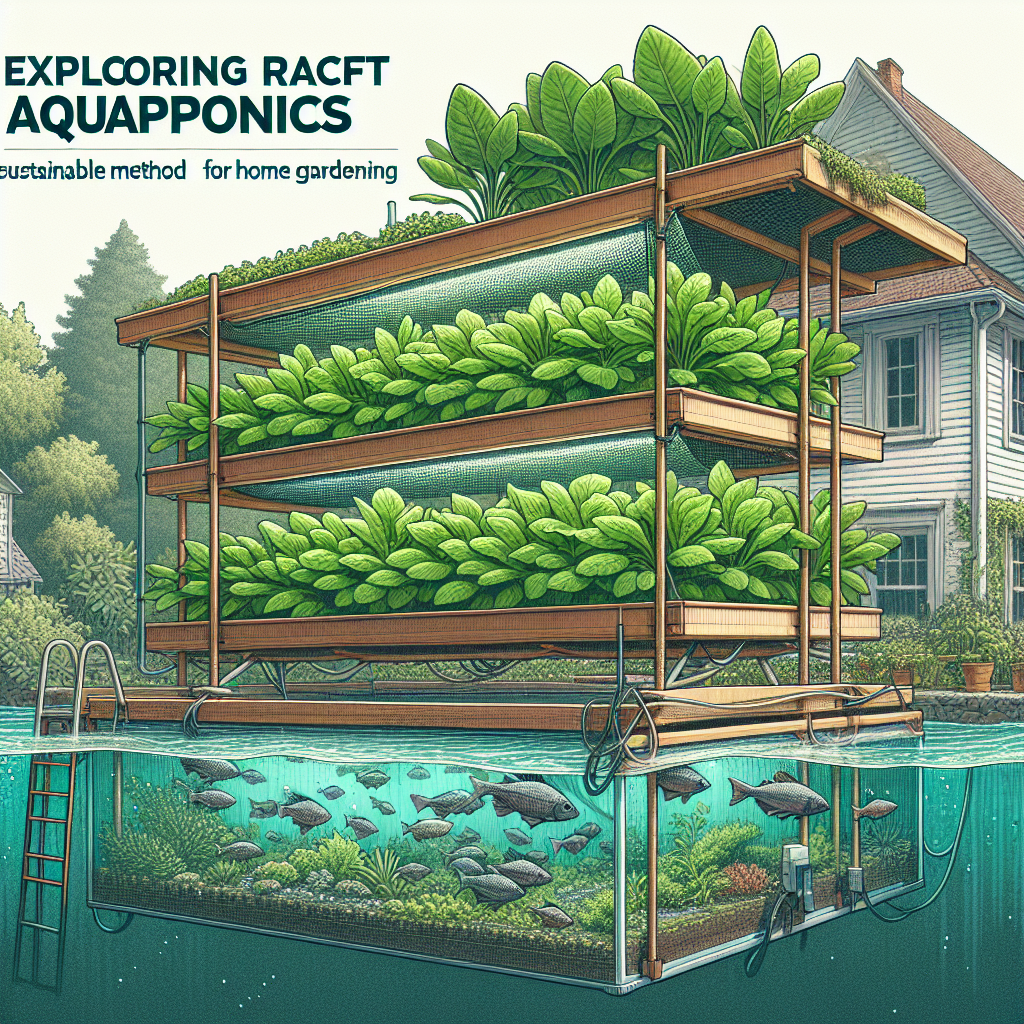
Aquaponics combines aquaculture (the cultivation of fish) with hydroponics (growing plants in water without soil) in a symbiotic environment. At the forefront of this innovative agricultural methodology is raft aquaponics, a streamlined version that offers numerous advantages in food production. This article delves into the intricacies of raft aquaponics, answering questions that potential practitioners may have, detailing its benefits, mechanics, and the best practices for setting up a raft aquaponics system at home or on a larger scale.
What is Raft Aquaponics?
Definition and Concept
Raft aquaponics is a system where floating rafts or platforms support plants in a water-based environment enriched with nutrients from fish waste. The fish excrete waste, which decomposes into ammonia and is converted into nitrites and then nitrates by beneficial bacteria. These nitrates serve as fertilizers for the floating plants, while the plants absorb nutrients and filter the water, which is then recirculated back to the fish tanks.
Key Components of Raft Aquaponics
- Fish Tanks: The source of nutrients in the system. Popular fish species include tilapia, catfish, and trout.
- Raft System: Styrofoam or plastic floats support net pots containing the plants. These floats remain on the water’s surface.
- Biofilter: A medium where beneficial bacteria convert ammonia into nitrates.
- Water Pump: Circulates water between the fish tanks and the raft system.
- Aeration System: Ensures that the fish are well-oxygenated, enhancing their growth.
Benefits of Raft Aquaponics
1. Resource Efficiency
One of the primary advantages of raft aquaponics is the efficient use of water. Traditional soil farming can waste significant amounts of water through evaporation and runoff. In contrast, aquaponics systems use approximately 90% less water due to the closed-loop system.
2. No Soil Requirement
Raft aquaponics eliminates the need for soil, reducing the risks associated with soil-borne diseases and pests. The floating rafts facilitate easier management as growers can focus on the water quality and nutrient levels rather than soil conditions.
3. Symbiotic Relationship
The mutualistic relationship between fish and plants yields higher productivity. Plants purify the water for fish, while fish provide organic nutrients for plants. This reduces the need for chemical fertilizers, promoting healthier produce.
4. Vertical Space Utilization
Raft systems can be stacked or organized vertically, making them suitable for urban environments where land is scarce. This vertical component maximizes space while enabling a high yield per square meter.
5. Year-Round Production
With controlled environments, raft aquaponics can facilitate year-round production, irrespective of seasonal changes, ensuring a consistent supply of fresh produce.
6. Nutritional Value
Produce grown in aquaponics systems, particularly raft setups, often has higher nutritional content due to the direct absorption of nutrients. Fish rearing can also lead to high-quality protein intake from the fish harvested.
Questions About Raft Aquaponics: Answers and Insights
1. What Can You Grow in a Raft Aquaponics System?
A diverse range of vegetables and leafy greens thrive in raft aquaponics, including:
- Lettuce
- Spinach
- Kale
- Herbs (basil, mint, cilantro)
- Strawberries
- Some root vegetables (with careful management)
It’s essential to select plants that have low nutrient requirements and can adapt to the floating method.
2. What Kind of Fish Should I Use?
Choosing the right fish species is crucial for the success of your raft aquaponics system. Consider the following popular options:
- Tilapia: Fast-growing and resilient, suitable for beginners.
- Trout: Prefer cooler water temperatures and require high oxygen levels.
- Catfish: Hardy and adaptable, they thrive in various conditions.
Ensure that the fish species selected can coexist and have similar water quality needs.
3. How Do I Maintain Water Quality in Raft Aquaponics?
Maintaining optimal water quality is vital for both fish and plant health. Regular monitoring of the following parameters is essential:
- pH Levels: Ideal range is between 6.8 and 7.2.
- Ammonia and Nitrite Levels: Keep ammonia below 0.5 mg/L and nitrite below 0.25 mg/L.
- Nitrate Levels: Between 5 and 40 mg/L is optimal for plant growth.
- Dissolved Oxygen: Should be maintained between 5 and 7 mg/L.
Regular testing kits are available to help monitor water parameters.
4. What Are the Initial Costs Involved?
Setting up a raft aquaponics system requires an initial investment, which can vary based on the size and complexity of the system. Key factors influencing costs include:
- Fish Tanks: Prices may range from $50 to several hundred dollars based on capacity and material.
- Raft Material: Styrofoam sheets or plastic can range from $20 to $50.
- Water Pump and Aeration Equipment: Cost can range from $30 to $150.
- Seeds and Fish Stocking: Will vary based on types and quantities.
Overall, a small homemade raft aquaponics system may cost around $300 to $500 to set up, while medium to large systems could reach above $2,000.
5. How Much Space Is Required for a Raft Aquaponics System?
Space requirements depend on the scale of the production. A small-scale home system might only need a few square feet, whereas commercial systems can occupy larger areas (50+ sq. ft.). The design must accommodate both fish tanks and raft systems efficiently.
6. Can You Use Raft Aquaponics Systems Indoors?
Absolutely! Raft aquaponics can be successfully adapted for indoor use. Controlled indoor environments allow for year-round production with consistent temperature and humidity. However, adequate lighting must be provided, such as using LED grow lights.
7. What Challenges Do Raft Aquaponics Enthusiasts Face?
While raft aquaponics offers numerous benefits, there are challenges to be aware of:
- System Imbalance: Changes in fish or plant populations can upset the nutrient balance.
- Pest Management: While farming in water reduces soil pests, some aquatic pests can still arise.
- Technical Knowledge: A solid understanding of both aquaculture and hydroponics is critical for thriving systems.
8. How Can I Troubleshoot Common Issues in Raft Aquaponics?
Even with a well-run system, issues can arise:
- Nutrient Deficiencies: Symptoms may include yellowing leaves or stunted growth. Test nutrient levels and adjust as needed.
- Fish Health Problems: Monitor for signs of stress or disease. Parameters like ammonia levels and water temperature should be verified.
- Algal Bloom: Excess light and nutrients can lead to algae overgrowth. Adjust lighting, minimize nutrient input, or increase plant density to combat this.
Setting Up Your Raft Aquaponics System: A Step-by-Step Guide
1. Design Your System
Start with a design that includes:
- Dimensions for fish tanks
- Raft size and shape
- Water flow system
- Space allocation for planting
2. Gather Materials
Collect all necessary materials, including fish tanks, pumps, rafts, grow media, filers, nets, and other essentials.
3. Assemble the Components
- Install Fish Tanks: Secure tanks and set up fish aeration.
- Create the Raft Supports: Use Styrofoam or plastic for your raft system.
- Setup Pumps and Filters: Ensure optimal water flow between fish tanks and rafts.
4. Cycle the System
Before introducing fish and plants, cycle the system to establish beneficial bacteria that convert fish waste into plant nutrients. This can take several weeks.
5. Introduce Fish
Start with a small number of fish to allow for natural balances to establish. Feed them adequately and monitor their health.
6. Plant Your Crops
Use net pots to place seedlings directly into the floating rafts. Ensure proper spacing for growth.
7. Monitor and Maintain
Regularly test water quality and nutrient levels while keeping fish and plants healthy—performing maintenance tasks as needed.
Conclusion
Raft aquaponics presents an innovative, efficient, and sustainable approach to food production. Whether you’re in a backyard, an urban apartment, or looking to implement larger systems for commercial purposes, the raft aquaponics model can adapt to your needs and environmental conditions.
Embracing aquaponics not only leads to food independence but also encourages a connection to the ecosystem. The journey of creating a thriving raft aquaponics system is multifaceted but ultimately rewarding. As society becomes increasingly aware of sustainable practices, particularly in food production, raft aquaponics stands out as a promising solution for individuals and communities around the world. Happy planting, and may your aquaponic adventures flourish!