
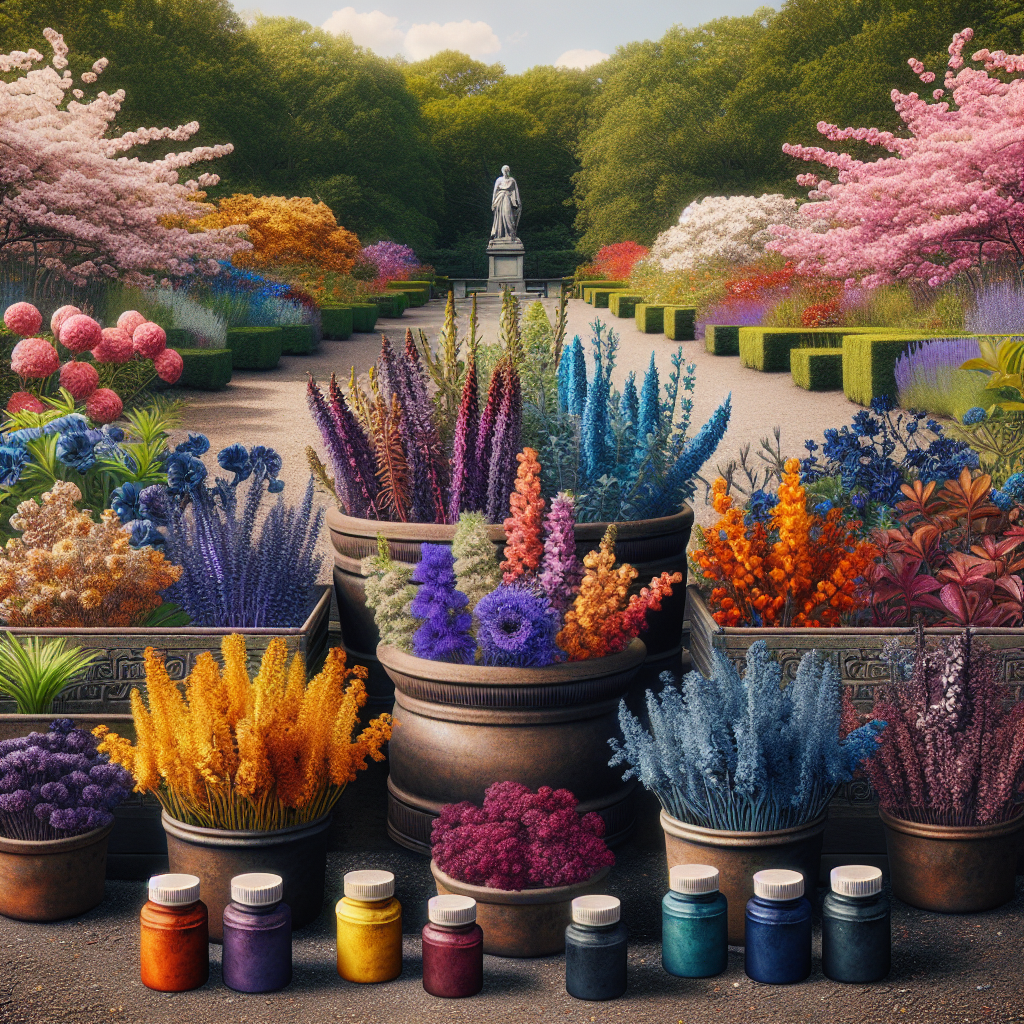
The Brooklyn Botanic Garden (BBG) is not only a sanctuary for plant lovers and nature enthusiasts but also a vibrant hub for education and exploration. Among its diverse array of flora, the garden showcases a captivating selection of dye plants, which have been used for thousands of years to color textiles, food, and even artworks. This article aims to delve into the wonderful world of dye plants at the Brooklyn Botanic Garden, revealing not only the science and history behind dyeing but also practical tips, creative ideas, and fascinating resources for those interested in exploring this form of botanical artistry.
Understanding Dye Plants: What Are They?
What is a Dye Plant?
Dye plants are botanical species from which pigments can be extracted to color materials like fabric, paper, and other natural fibers. These plants can be divided into two main categories: mordant dyes, which require a chemical agent to help the dye bind to the fabric, and direct dyes, which can adhere to the fabric without additional chemicals. Common examples of dye plants include indigo (for blues), madder (for reds), and turmeric (for yellows).
Why Use Natural Dyes?
There is a growing movement among artists, textile makers, and environmentalists advocating for the use of natural dyes over synthetic options. Natural dyes are biodegradable, non-toxic, and often produced in a more sustainable manner. Additionally, the color palette that natural dyes can produce is richly diverse, leading to unique hues that cannot easily be replicated with synthetic dyes. This inherent variability is part of the allure of natural dyeing.
Brooklyn Botanic Garden: A Hideaway of Color
What Makes Brooklyn Botanic Garden Special?
Founded in 1910, the Brooklyn Botanic Garden spans 52 acres and boasts over 14,000 types of plants. Among its many collections lies the Dye Garden, a dedicated space showcasing a variety of plants historically used for dyeing. This area alone features a diverse selection of dye plants that bloom throughout the year, providing an opportunity for visitors to witness a stunning array of colors and textures.
Key Dye Plants at BBG
1. Indigo (Indigofera tinctoria)
Indigo is perhaps one of the most famous dye plants. The blue hues obtained from this plant have been a staple in textile dyeing, especially in the production of denim. At BBG, visitors can see indigo plants flourishing during the warm months, providing a beautiful backdrop for photographs and a fascinating subject for gardeners and artists alike.
2. Madder (Rubia tinctorum)
Madder is known for its vibrant red shades, making it a favorite among textile artists. The roots of the madder plant contain the compound alizarin, which, when extracted, creates a rich crimson hue. Visitors to BBG can explore the lifecycle of the madder plant, encouraging an appreciation for the craftsmanship that goes into natural dyeing.
3. Goldenrod (Solidago spp.)
Goldenrod, a wildflower often seen gracing fields and gardens, produces striking yellow to gold hues. It is beloved not just for its cheerful color but also for its ecological importance, attracting a variety of pollinators.
4. Weld (Reseda luteola)
Weld is a historical dye plant that produces bright yellow tones. It’s one of the oldest dyeing plants in Western history and can be seen at BBG, thriving beneath the care of skilled horticulturists.
Seasonal Highlights
The dye plants at the Brooklyn Botanic Garden bloom in a staggered seasonal pattern, ensuring that some aspect of the dye garden is always alive with color. Spring is characterized by the emergence of young plants like weld and madder, while summer brings the lush greenery and blossoms of indigo and goldenrod. Autumn sees the harvest of roots and stalks, crucial for dye extraction.
Unlocking the Secrets of Dyeing
How is Natural Dye Extracted from Plants?
Natural dye extraction is both an art and a science. The basic process involves several steps:
- Harvesting: Collect the desired parts of the plant, such as leaves, flowers, and roots.
- Preparation: If using roots or other hard parts, they may need to be chopped or ground to increase surface area.
- Extraction: The plant materials are simmered in water to release their pigment. Often, different parts of the plant will yield varying hues and intensities.
- Mordanting: To enhance colorfastness, fibers must often be pre-treated with mordants. Common mordants include alum, iron, and tannin, each imparting its own nuances to the final color.
- Dyeing: Finally, the prepared fabric is submerged in the dye bath, allowing the color to penetrate the fibers.
What Materials Do You Need for Natural Dyeing?
Dyeing with plants can be accomplished with simple materials, making it accessible to beginners. Here’s a basic list to get started:
- Natural fibers: Cotton, linen, wool, and silk are excellent choices.
- Dye plants: These can be sourced from gardens, local suppliers, or foraged responsibly.
- Cooking pots: Use non-aluminum vessels, as they can react with the dye.
- Mordants: Before starting, familiarize yourself with the mordants available (like alum and iron).
- Strainer or cheesecloth: To separate plant material from the dye liquid.
- Gloves and aprons: Natural dyes can stain, so protection for skin and clothing is advisable.
What Safety Precautions Should be Taken?
While natural dyes are generally safer compared to synthetic options, certain mordants can be toxic or require careful handling. Always wear gloves when handling mordants, and ensure your workspace is well-ventilated. Additionally, research and follow the environmental safety guidelines provided for each specific mordant you choose to use.
The Thriving Community of Dye Enthusiasts
Are There Workshops or Classes Available?
Yes! Brooklyn Botanic Garden frequently hosts workshops and educational programs focusing on natural dyeing techniques. These sessions provide hands-on experience, allowing participants to engage directly with the plants and the dyeing process while learning about the history and cultural significance of each dye plant. Regular classes cover everything from basic dyeing techniques to advanced workshops that delve into eco-printing and resist dyeing.
How Can I Get Involved with the BBG Community?
The BBG community is incredibly welcoming, and there are several ways to get involved:
- Volunteer Opportunities: Engage with the garden on a deeper level by volunteering. This may involve assisting in the Dye Garden or participating in maintenance and educational outreach.
- Attend Events: Keep an eye on seasonal events, from plant sales to art exhibits, where natural dyeing might feature prominently.
- Become a Member: Membership offers a host of benefits, including access to exclusive workshops, discounts, and invitations to special events.
Personal Stories: The Transformative Power of Dyeing
How Has Natural Dyeing Impacted Artists and Makers?
Natural dyeing has sparked creative transformation in many individuals, allowing them to express their artistic identities uniquely. Artists who work with natural dyes often speak about a profound connection to the materials and the processes involved. They find that the unpredictability of plant-derived colors nurtures a sense of exploration and innovation, leading to pieces that resonate on emotional and aesthetic levels.
One artist, Jane, shares her journey: “Before I discovered natural dyeing, my fabric art felt rigid, almost formulaic. When I started experimenting with dye plants, I discovered the magic of imperfection—the shifting hues, the unexpected patterns. Each piece I create tells a story, guided by nature herself.”
What Role Does Sustainability Play in Natural Dyeing?
Natural dyeing resonates with sustainability initiatives, offering an eco-friendly alternative to synthetic dyes, which can be resource-intensive and harmful to ecosystems. Many artisans prioritize locally sourced plants and sustainable practices, minimizing their environmental footprint while celebrating regional flora and biodiversity.
Local initiatives, such as community dye gardens, aim to raise awareness about the importance of preserving dye plants and their natural habitats. As artists and educators, they strive to foster a deeper connection between people and the natural world, promoting an understanding of local ecosystems.
Conclusion
The Brooklyn Botanic Garden serves as not just a haven for plant enthusiasts but also a vibrant center for learning and exploration in the world of natural dyes. Through its thoughtfully curated Dye Garden, visitors can experience the timeless beauty and rich history of dye plants, as well as participate in workshops and community events designed to inspire and educate.
As we continue to unravel the mysteries of dyeing, we’re reminded of the powerful impact nature holds—inviting us to reflect on our relationship with the environment, our creativity, and the rich tapestry of hues that accompany our artistic pursuits. So whether you’re an artist, a gardener, or simply curious about the world of colors, the Brooklyn Botanic Garden’s dye plants offer a chance to immerse yourself in an experience that is both enriching and colorful.
Natural dyeing invites exploration and creativity, encouraging us to connect with nature and embrace the beauty that lies within it. As you embark on your own dyeing journey, may you discover the stories embedded within each hue, forever intertwined with the plants and people who bring them to life.