
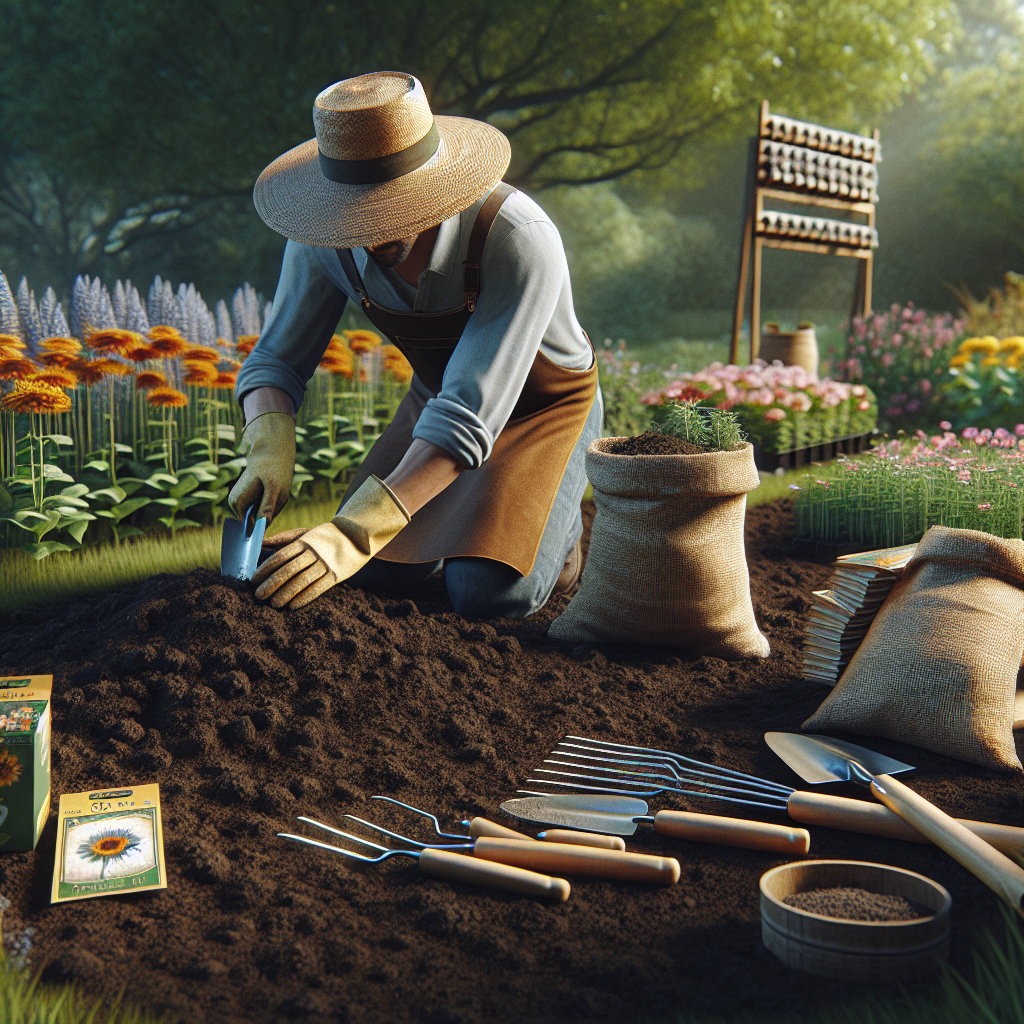
Creating a beautiful flower garden is a fulfilling endeavor that can brighten up any landscape, attract pollinators, and elevate your mood. However, the cornerstone of a successful flower garden lies in the soil. Healthy, well-prepared soil can be the difference between a flourishing flower bed and a lackluster one. In this guide, we’ll explore the essential steps and factors involved in prepping the soil for your flower garden.
Table of Contents
- Understanding Soil Basics
- Assessing Your Existing Soil
- The Importance of Soil Structure
- Testing Soil pH
- Improving Soil Drainage
- Incorporating Organic Matter
- Fertilizing Your Soil
- Tilling and Mixing Soil
- Creating a Healthy Soil Environment
- The Benefits of Soil Preparation
- FAQs
1. Understanding Soil Basics
Before delving into the intricacies of soil preparation, it’s essential to understand the types of soil and their components. Soil is composed of mineral particles, organic matter, water, and air. The physical and chemical properties of these components will greatly impact plant health.
Types of Soil
- Sandy Soil: Drains quickly but lacks nutrients and retains little moisture.
- Clay Soil: Retains moisture but can become compacted, hindering root growth.
- Silt Soil: Fertile and retains moisture well but can be prone to erosion.
- Loamy Soil: A balanced mixture of sand, silt, and clay. Ideal for most flowering plants.
2. Assessing Your Existing Soil
The first step in soil preparation is to understand what you are working with. Conduct a soil test to identify its type, nutrient levels, and pH.
What Does a Soil Test Tell You?
- Nutrient Levels: Essential nutrients like nitrogen, phosphorus, and potassium.
- pH Level: The acidity or alkalinity of your soil.
- Organic Matter Content: A measure of the decomposition and presence of organic materials.
Tip: Home testing kits are available at garden centers, or you can send samples to a local agricultural extension service for lab analysis.
3. The Importance of Soil Structure
Soil structure refers to the arrangement of soil particles and the pore spaces between them. A well-structured soil has a balance of solid material, air, and water, which promotes healthy root growth and microbial activity.
Why is Soil Structure Important?
- It affects water retention and drainage.
- It influences root penetration and oxygen availability.
- It impacts the movement of nutrients.
How to Improve Soil Structure:
- Avoid compaction: Limit traffic on garden beds, especially when soil is wet.
- Use raised beds to encourage aeration and prevent soil compaction.
4. Testing Soil pH
Soil pH is a critical factor impacting nutrient availability. Most flowering plants thrive in slightly acidic to neutral pH (between 6.0 and 7.0).
How to Test Soil pH:
- Home Test Kits: Easy to use and readily available.
- Lab Testing: More accurate for detailed analysis.
What to Do if pH is Off:
- If too acidic: Add lime to raise the pH.
- If too alkaline: Add sulfur or organic matter to lower the pH.
5. Improving Soil Drainage
Good drainage is crucial for most flowering plants. Poorly drained soil leads to root rot and other issues.
Signs of Poor Drainage:
- Water pooling after rain.
- Soil remains soggy for prolonged periods.
How to Improve Drainage:
- Amend with Organic Matter: Compost, well-rotted manure, and peat moss improve drainage.
- Install French Drains or Dry Wells: For severe drainage problems.
- Create Raised Beds: Elevate your garden beds to enhance drainage.
6. Incorporating Organic Matter
Organic matter plays a pivotal role in soil health. It improves soil structure, increases nutrient retention, and promotes beneficial microbial activity.
Types of Organic Matter to Add:
- Compost: Rich in nutrients, it enhances soil fertility.
- Mature Manure: Provides essential nutrients but should be well-composted to avoid burning plants.
- Peat Moss: Improves moisture retention, particularly in sandy soils.
How Much Organic Matter to Add:
Aim for at least a 3- to 5-inch layer of organic matter worked into the top 6-12 inches of soil.
7. Fertilizing Your Soil
Whether you’re starting from scratch or improving existing soil, fertilization is key.
Types of Fertilizers:
- Slow-Release Fertilizers: Provide nutrients over an extended period.
- Liquid Fertilizers: Quick absorption but require more frequent applications.
When to Fertilize:
- Test your soil first; only fertilize based on your results.
- Generally, the best time to fertilize is in the spring as plants begin to grow.
8. Tilling and Mixing Soil
Tilling is the process of turning and loosening soil to enhance aeration, bury organic matter, and remove weeds.
Tilling Methods:
- Hand Tilling: Useful for small spaces; use a garden fork or spade.
- Rototillers: Efficient for larger areas. Be cautious not to over-till, as this can damage soil structure.
Best Practices:
- Till when the soil is moist but not wet.
- Mix in organic amendments thoroughly.
9. Creating a Healthy Soil Environment
After preparing the soil, creating a healthy ecosystem is vital for plant growth.
Strategies for a Healthy Soil Environment:
- Mulching: Applying a layer of organic or inorganic materials on the soil surface conserves moisture and prevents weed growth.
- Crop Rotation: Varying plant types in your garden can improve soil health and reduce pest buildup.
- Encouraging Beneficial Microbes: Avoid heavy pesticide use to maintain a thriving microbial population.
10. The Benefits of Soil Preparation
Investing time in soil preparation has numerous benefits beyond just aesthetics.
Key Advantages:
- Enhanced Nutrient Availability: Well-prepared soil holds nutrients better.
- Improved Plant Growth: Healthy soil fosters stronger, more resilient plants.
- Environmental Impact: Healthy gardens contribute to local ecology, attracting beneficial insects and wildlife.
11. FAQs
What flowers are best for beginner gardeners?
- Zinnias, Marigolds, and Sunflowers are excellent choices for their resilience and low maintenance.
How often should I amend my soil?
- Generally, it’s beneficial to amend your soil every season, particularly in early spring before planting.
When should I start preparing my soil?
- In most regions, starting in early spring is ideal, but fall preparation (like added organic matter) is also beneficial.
Can I prepare soil that’s been previously used for planting?
- Yes, but ensure to test and amend the soil as necessary, especially if previous plants suffered from diseases.
Should I use chemical fertilizers or organic ones?
- Organic fertilizers are often recommended as they improve soil health over time, while chemical fertilizers may provide quick fixes.
Conclusion
Preparing soil for a flower garden is no small task, but it is undoubtedly worthwhile. With the right preparation, you can create an environment that not only supports vibrant flowering plants but also enriches the surrounding ecosystem. By following the steps outlined in this guide—understanding soil basics, assessing existing soil, improving drainage, and incorporating organic matter—you’ll set the foundation for a stunning and triumphant flower garden.
The process requires patience and effort, but the rewards include blooming flowers, increased biodiversity, and personal satisfaction. So roll up your sleeves, grab your gardening tools, and invest in the soil; your flower garden will thank you with a breathtaking display of color and life! Happy gardening!