
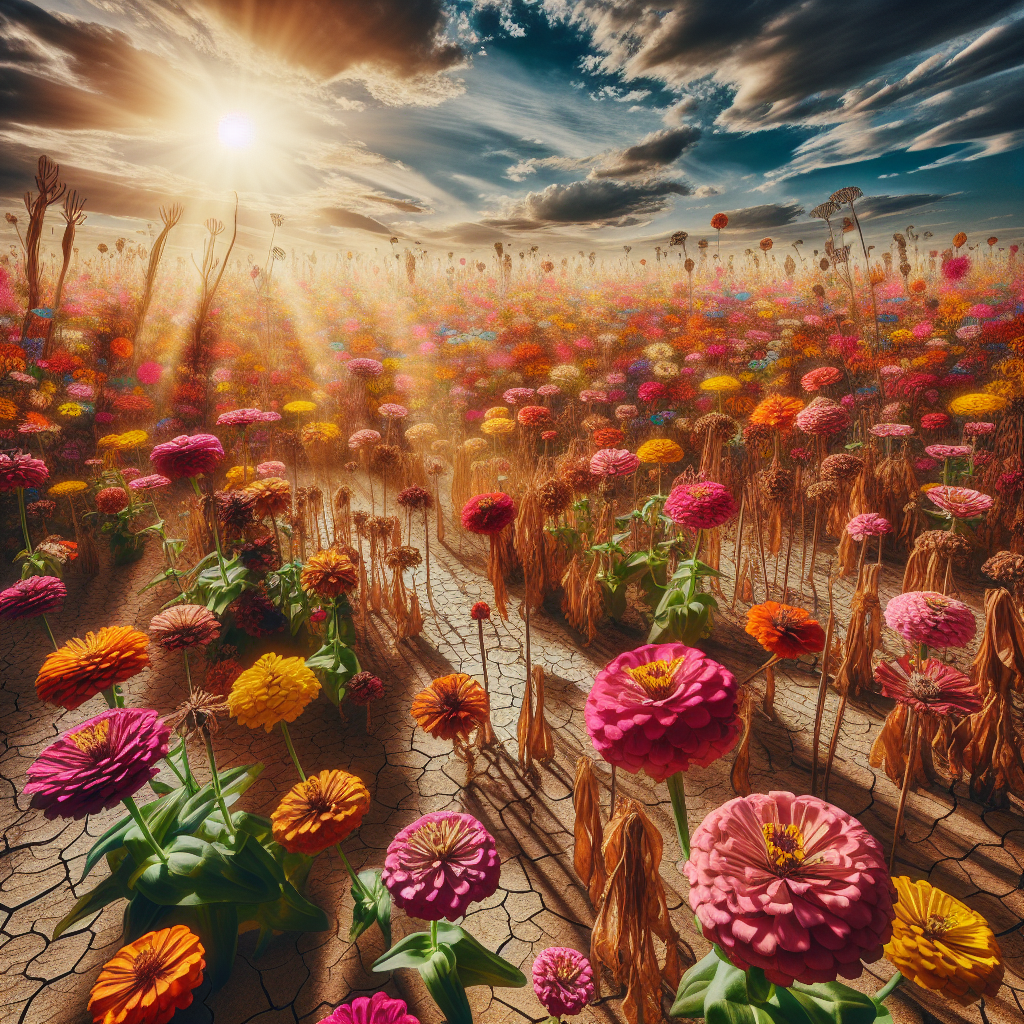
When it comes to cultivating a garden that is as resilient as it is beautiful, few flowers can surpass the zinnia. Renowned for their bright, cheerful blooms and robust nature, zinnias not only add a pop of color to any landscape but are also remarkably drought-tolerant. This makes them an excellent choice for gardeners aiming to create low-maintenance gardens that can withstand the challenges of hot, dry weather. In this article, we will explore the characteristics of zinnias, their drought tolerance, care requirements, and why they should be a staple in your garden.
The Basics of Zinnias
What Are Zinnias?
Zinnias belong to the Asteraceae family and are native to Mexico and the southwestern United States. They are known for their vibrant colors, ranging from reds, yellows, and pinks to purples and whites. Zinnias come in various shapes and sizes, from the classic daisy-like flower to more complex multi-petaled cultivars.
How Many Varieties of Zinnias Exist?
There are several species of zinnias, with the most popular being Zinnia elegans. Other varieties include:
- Zinnia angustifolia: Known for its narrower leaves and smaller flowers, it’s often used as ground cover.
- Zinnia peruviana: This species is more wild-like and features a less structured growth habit.
With hybrids across these types, the options for gardeners are nearly endless.
Drought Tolerance Characteristics
What Does Drought Tolerance Mean?
Drought tolerance refers to a plant’s ability to survive and thrive despite a lack of water. Plants that are drought-tolerant have developed specific adaptations that allow them to conserve water efficiently. Zinnias have unique characteristics that make them particularly good candidates for drought-tolerant gardens.
Adaptations That Support Drought Tolerance
-
Deep Root Systems: Zinnias develop extensive root systems that allow them to access moisture from deeper soil layers, making them resilient during dry spells.
-
Watertight, Thick Leaves: Their leaves are designed to minimize water loss through transpiration. The epidermis of zinnia leaves is often thicker, providing a protective barrier against losing moisture.
-
Heat Resistance: Zinnias exhibit high tolerance to heat, enabling them to thrive in full sunlight and withstand high temperatures that would cause stress to more delicate plants.
Growing Zinnias: The Perfect Conditions
What Are the Ideal Growing Conditions for Zinnias?
While zinnias are incredibly hardy, they have certain preferences that, when met, will result in a stunning display of flowers:
-
Sunlight: Zinnias love full sun and require at least six to eight hours of direct sunlight each day. This exposure not only enhances their growth but also vibrancy.
-
Soil Type: Well-draining, fertile soil is ideal. While zinnias can grow in various soil types, sandy or loamy soils with good organic matter yield the best results.
-
Water: Once established, zinnias require minimal watering. However, during the initial growth phase, consistent moisture is vital for healthy development.
-
Spacing: Zinnias should be spaced adequately (12-18 inches apart) to allow air circulation, reducing the risk of diseases when temperatures soar.
When Should Zinnias Be Planted?
Zinnias can be directly sown outdoors after the last frost date in your region. In USDA gardening zones, they thrive in warm conditions. For colder climates, starting seeds indoors about 4-6 weeks before the last frost can boost your success rates.
Caring for Zinnias: Simple Steps for Success
How Do I Care for Zinnias?
-
Watering: After establishing, zinnias become drought-tolerant and require less water. However, if there’s an extended dry spell, watering every week at the soil level ensures healthy continued growth. Don’t water the leaves to avoid fungal issues.
-
Fertilizing: A balanced, slow-release fertilizer applied once in early growth can promote abundant flowers. Too much fertilizer can lead to lots of foliage but fewer blooms.
-
Deadheading: To extend their flowering season, consider deadheading spent blooms. This keeps the plants looking tidy and encourages the production of new flowers.
-
Pest Control: While zinnias are generally resilient, keep an eye out for aphids and spider mites. A blast of water can dislodge them, or an insecticidal soap can be used in moderation.
-
Weeding: Regular weeding helps zinnias thrive, as competition for nutrients and water can affect their ability to flourish.
Benefits of Drought-Tolerant Zinnias
Why Choose Drought-Tolerant Zinnias for Your Garden?
-
Low Maintenance: Once established, zinnias require little attention, making them perfect for busy gardeners.
-
Cost-Effective: Reduced water needs mean lower water bills and less labor involved in maintaining your garden.
-
Visual Appeal: The array of colors and flower types can render any garden a visual masterpiece, attracting beneficial pollinators such as bees and butterflies.
-
Environmental Benefits: Growing drought-tolerant plants helps conserve water and can play a role in creating more sustainable landscapes.
-
Versatility: Zinnias can flourish in various settings—from cottage gardens and border plantings to container displays and cutting gardens—making them highly adaptable.
Common Questions About Drought-Tolerant Zinnias
How Long Do Zinnias Bloom?
Zinnias have a long bloom time, often from late spring until the first frost. For gardeners in warmer climates, this can mean continuous blooms for six months or more.
Are Zinnias Annuals or Perennials?
Most zinnias, particularly the commonly grown varieties like Zinnia elegans, are annuals. However, they can be reseeded yearly since they produce an abundance of seeds.
Can Zinnias Grow in Containers?
Absolutely! Zinnias are well-suited for container gardening. Ensure your container has adequate drainage holes and use quality potting soil for optimal growth.
Are Zinnias Deer-Resistant?
While no plant is entirely deer-resistant, zinnias tend to be less appealing to deer compared to other garden plants. Their robust nature means they’re often overlooked.
Can Zinnias Spread Diseases?
Zinnias can be susceptible to certain diseases, especially under humid conditions. Fungal diseases like powdery mildew can occur. Good air circulation and avoiding overhead watering can help mitigate this risk.
Landscape Ideas Featuring Zinnias
How Can Zinnias Be Used in Landscape Design?
-
Borders: Utilize zinnias along garden paths or borders for a striking pop of color.
-
Cut Flowers: Many gardeners grow zinnias for cut flower arrangements. Their long stems and vibrant hues make them excellent for bouquets.
-
Pollinator Gardens: Plant zinnias alongside other flowering plants to create a haven for bees and butterflies.
-
Container Displays: Mix zinnias with other drought-tolerant plants in pots to create vibrant, low-maintenance displays on patios or balconies.
-
Cottage Gardens: Zinnias blend beautifully into informal or wild garden settings, adding bursts of color and charm.
Conclusion: Zinnias – A Garden Essential
Zinnias are more than just a beautiful flower; they are a testament to resilience and adaptability. Their drought-tolerant nature makes them an ideal choice for gardeners looking to cultivate a resilient, colorful garden without the extensive need for water. Whether you plant them in borders or pots, as cut flowers or in pollinator gardens, zinnias will undoubtedly elevate your space while being remarkably easy to care for.
So, the next time you’re planning your garden, consider the zinnia: it’s not just a flower; it’s a vibrant contributor to sustainable gardening and a joyful addition to any landscape. With a little TLC (tender loving care) at the beginning, zinnias promise an explosion of color even in the hottest of summers, enriching your garden experience and flaring up your creativity. Choose zinnias and embrace the beauty of drought-tolerant gardening!