
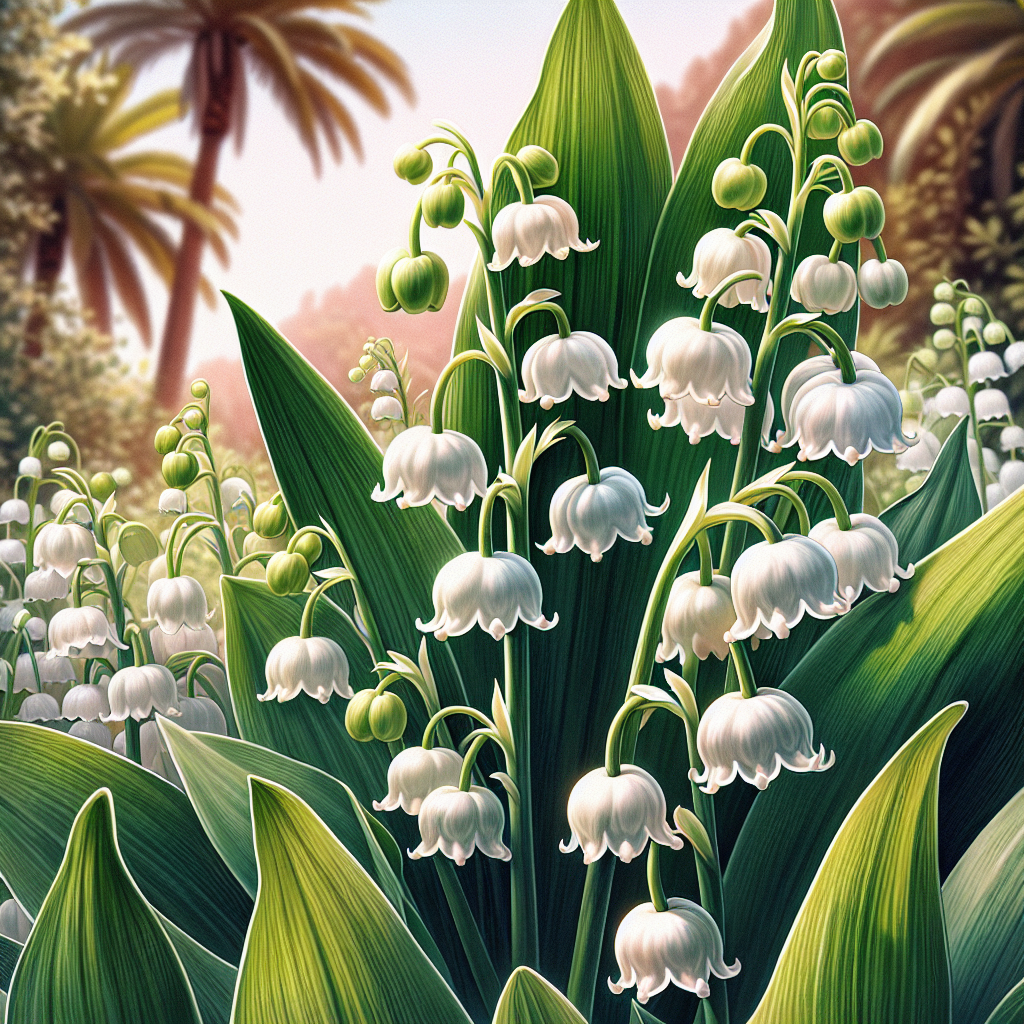
When we think of lush, diverse landscapes filled with vibrant blooms, Florida springs to mind quickly. The Sunshine State is renowned for its beaches, warm climate, and rich biodiversity. But amidst all this natural beauty, one might ponder: does the charming Lily of the Valley, with its enchanting white bell-shaped flowers, find a home in Florida? This article will delve into the nuances of growing Lily of the Valley in Florida, answer common questions, and explore the plant’s fascinating characteristics and care.
What is Lily of the Valley?
Lily of the Valley (Convallaria majalis) is a perennial flowering plant native to the temperate regions of the Northern Hemisphere, particularly in Europe, Asia, and to some extent, North America. It is loved for its sweet fragrance and delicate white flowers that bloom in the spring. This enchanting plant has a unique presence in both gardens and folklore:
- Botanical Classification: Belonging to the Asparagaceae family, this woodland plant has a lovely glossy green foliage that remains attractive even when not flowering.
- Cultural Significance: In various cultures, Lily of the Valley is a symbol of humility, purity, and the return of happiness. It holds special significance in Christian traditions, often associated with the Virgin Mary.
Growing Conditions: Can Lily of the Valley Thrive in Florida?
Natural Habitat
Lily of the Valley typically thrives in shaded areas with well-drained soil enriched with organic matter. It favors the cooler temperatures of spring, which suits its natural habitat in the forests of Europe and Asia. These conditions raise an essential question: can these environmental requirements translate well to Florida’s subtropical climate, which is characterized by hot summers, mild winters, and humidity?
Hardy Zones
Lily of the Valley is hardy in USDA zones 3-7. Florida primarily falls under USDA zones 8-10, which adds a layer of complexity to cultivating this plant in the state. However, aspiring gardeners still have options for growing Lily of the Valley in Florida, provided they take specific measures.
Can You Successfully Cultivate Lily of the Valley in Florida?
Microclimates and Shade
While Florida’s general climate may seem inhospitable for Lily of the Valley, specific regions and microclimates can create suitable conditions:
- North Florida: Parts of North Florida, particularly those that experience cooler winter temperatures, may allow for more successful growth.
- Shade Adaptation: Establishing Lily of the Valley in shaded garden spots can mimic its natural habitat. This will preserve moisture and shield the plant from excessive heat.
Soil Improvement
Lily of the Valley prefers well-drained, loamy soil rich in organic matter. The sandy soil prevalent in many parts of Florida may necessitate amendments:
- Organic Matter: Enriching the soil with compost can improve water retention and nutrient availability, creating a more hospitable environment for growth.
- pH Levels: The ideal pH level sits around 6.0 to 7.0. Regular testing can help ensure that the soil remains within this optimal range.
Watering and Care
Florida’s humidity can work to the advantage of those growing Lily of the Valley; however, careful watering is still essential:
- Watering Schedule: The key is to maintain consistent moisture without allowing the soil to become waterlogged. The application’s frequency may change according to rainfall patterns and temperature shifts.
- Mulching: Using organic mulch not only suppresses weeds but also helps retain soil moisture and moderates temperature fluctuations.
Lifespan and Growth Patterns
Lily of the Valley is a perennial plant, often living for years when given the right conditions. Knowing its growth patterns can help optimize its cultivation:
- Growing Season: This plant shines in spring, blooming with delicate flowers that attract pollinators like bees and butterflies.
- Dormancy: As summer progresses, its foliage will begin to die back. Understanding this dormancy cycle will help gardeners know when to cut back on care and expectations.
Pests and Diseases
Although resilient, Lily of the Valley is susceptible to specific pests and diseases. Awareness is essential for maintaining plant health:
- Pests: Aphids, snails, and slugs can affect Lily of the Valley. Regular inspections and timely interventions (like introducing beneficial insects) can help manage these pests.
- Diseases: Root rot can become an issue if the plant sits in overly wet soil. Ensuring adequate drainage and monitoring watering habits will mitigate this risk.
Propagation Techniques
A significant advantage of Lily of the Valley is how easily it can be propagated, even in challenging climates like Florida’s. Here’s how:
Division
- Timing: Spring or early fall are the best times to divide established clumps.
- Process: Carefully dig up the plant, separating the rhizomes (the underground stems), and replant them in desired locations.
Seed Sowing
Though less common than division, seed propagation is possible. It’s worth noting that this method requires patience, as seeds could take several years to produce flowering plants.
Frequently Asked Questions (FAQs)
1. Can I grow Lily of the Valley in full sun in Florida?
Lily of the Valley thrives best in partial to full shade. Full sun exposure in Florida can lead to wilted foliage and stunted growth due to the heat. Seek out shaded areas, especially in the hot summer months, to achieve the best results.
2. What is the ideal time for planting Lily of the Valley in Florida?
The ideal planting period would be in late fall or early spring when temperatures are milder. This timing allows the plant to establish roots before facing the warmer summer conditions.
3. How do I know if my Lily of the Valley is growing well?
Healthy Lily of the Valley plants will produce lush green leaves, followed by fragrant white flowers in the spring. If the leaves begin to yellow prematurely or the plants fail to flower, it may be a sign of improper watering or unsuitable soil conditions.
4. Is Lily of the Valley toxic to pets?
Yes, Lily of the Valley is toxic to both cats and dogs. The plant contains cardiac glycosides, which can lead to serious health issues if ingested. If you have pets and wish to grow this plant, consider placing it in an area that is inaccessible to them.
5. Can I grow Lily of the Valley in containers in Florida?
Yes! Growing Lily of the Valley in containers can be a viable option, particularly if you can provide the shade and specific soil conditions they require. Ensure the container has adequate drainage and use a potting mix enriched with organic matter.
The Cultural Appeal of Lily of the Valley
Besides its aesthetic charm, Lily of the Valley carries a weight of cultural symbolism. Its delicate blooms have inspired poetry, literature, and art throughout history:
- Literature: Authors like T.S. Eliot and Shakespeare have referenced the flower, often associating it with themes of renewal and love.
- Festivals: In some cultures, Lily of the Valley is celebrated during spring festivals, symbolizing the return of warmth and the beauty of nature.
In Conclusion: Embracing the Challenge
While growing Lily of the Valley in Florida presents its challenges, with strategic planning, careful attention, and a willingness to adapt, success is entirely possible. The plant can be a stunning addition to your garden, offering lovely blooms and sweet scents to enjoy during springtime. Furthermore, understanding its requirements allows gardeners to harness Florida’s unique microclimates, turning potential gardening obstacles into opportunities for innovation.
As one embarks on growing or caring for Lily of the Valley in Florida, the journey is a celebration of life, nature, and the enduring charm of one of the most beloved perennial plants. With appreciation for its rich history and cultural significance, Lily of the Valley remains a plant that resonates deeply with those who nurture it. Through dedicated gardening efforts, it can flourish—creatively defying regional limitations while spreading joy with its timeless beauty.