
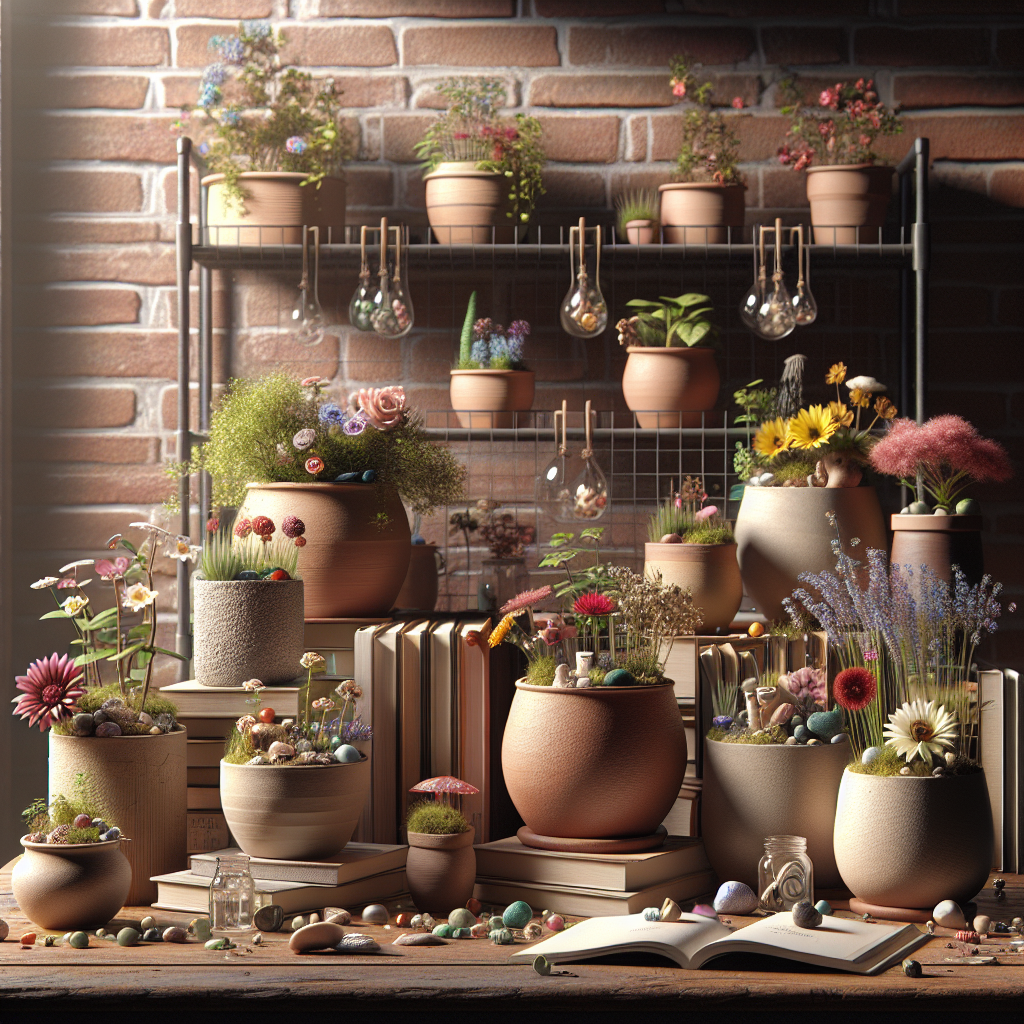
When it comes to container gardening, the choice of flower pot filler is as crucial as the plants themselves. Not only do fillers enhance the aesthetic of your pot, but they also serve practical purposes, such as improving drainage, retaining moisture, and adding nutrients to the soil. In this article, we will delve into innovative flower pot filler ideas, answer common questions, and provide tips for the best plant combinations, ensuring that your pots flourish all season long.
Understanding the Role of Flower Pot Fillers
Before diving into specific ideas, let’s clarify what flower pot fillers are and why they matter.
What Is a Flower Pot Filler?
A flower pot filler is any material that occupies space in a flower pot besides the primary planting medium. It can be natural or synthetic and falls into various categories, serving multiple purposes.
Why Are Fillers Important?
-
Drainage: Proper drainage is essential for plant health. Fillers can facilitate water flow and prevent root rot.
-
Soil Aeration: Fillers create spaces within the potting mix, allowing oxygen to reach the roots.
-
Moisture Retention: Some fillers can help retain moisture, ensuring a steady supply to plants without waterlogging the soil.
-
Weight and Stability: For large pots, fillers provide weight, helping to stabilize top-heavy plants.
-
Aesthetic Appeal: Fillers can add visual interest and complement the plant display.
Types of Flower Pot Fillers
Now that we understand the significance of flower pot fillers, let’s explore the various types and their benefits.
1. Gravel and Stones
Benefits:
- Drainage: Gravel and stones allow excess water to escape, preventing root rot.
- Aesthetic Appeal: Decorative stones can add a textured look to pots.
How to Use:
Start with a layer of gravel or stones at the bottom of the pot before adding soil. This prevents soil from washing away during watering.
2. Bark Chips
Benefits:
- Moisture Retention: Bark chips can hold moisture and provide nutrients as they break down.
- Natural Look: They blend well with naturalistic garden themes.
How to Use:
Place a layer of small bark chips over the soil surface or mix them into the top layer of your potting soil.
3. Plastic or Styrofoam Peanuts
Benefits:
- Lightweight: Ideal for larger pots, these fillers reduce overall weight.
- Drainage Improvement: They facilitate drainage while taking up space efficiently.
How to Use:
Fill the bottom of the pot with a layer of peanuts, then add potting soil on top.
4. Sand
Benefits:
- Improved Drainage: Sand increases drainage in heavier soils.
- Air Circulation: It assists with aeration in compacted soils.
How to Use:
Mix sand into your potting mix or layer it beneath the soil.
5. Perlite and Vermiculite
Benefits:
- Lightweight: Both materials are lightweight and help prevent soil compaction.
- Moisture Retention: Vermiculite holds moisture, while perlite promotes aeration.
How to Use:
Mix perlite or vermiculite into your potting soil (typically about 20% of the total mix) to enhance its properties.
6. Coir or Coconut Fiber
Benefits:
- Environmental Friendly: A sustainable choice that can retain moisture.
- Pest Resistance: Coir is resistant to pests and diseases.
How to Use:
Use coir as a layer or mix it into your potting soil for enhanced moisture retention.
7. Styrofoam Blocks
Benefits:
- Weight Reduction: They are an excellent lightweight option for large pots.
- Affordability: Often recycled, making them cost-effective.
How to Use:
Place blocks or sheets of Styrofoam at the bottom of the pot, followed by soil.
8. Decorative Pebbles
Benefits:
- Aesthetics: Decorative pebbles can dramatically enhance the visual appeal.
- Moisture Control: They can help in preventing moisture evaporation.
How to Use:
Top your pot with a layer of pebbles once your plants are in place to give a polished look.
Combining Pot Fillers for Optimal Results
Combining different fillers can provide a synergistic effect that optimizes your pots’ health and aesthetic. Here are some ideas:
- Gravel + Coir: Use gravel at the bottom for drainage and coir on top to retain moisture.
- Perlite + Sand: Mix both with your potting soil for enhanced drainage and aeration.
- Bark Chips + Decorative Pebbles: Use bark chips for moisture retention and decorative pebbles for a stylish finish.
FAQ: Answers to Common Flower Pot Filler Questions
1. How can I choose the right filler for my plants?
Answer: The choice of filler depends on your plants’ needs. For moisture-loving plants, fillers like bark chips or vermiculite work well. Conversely, for drought-tolerant species, gravel or sand is more suitable.
2. Can I use kitchen scraps as fillers?
Answer: Absolutely! Kitchen scraps like eggshells can be excellent providers of calcium, while coffee grounds can improve soil structure. However, ensure they are composted first to avoid pests.
3. How much filler should I use?
Answer: The filler should ideally not exceed one-third of your pot volume. This ensures that there is still sufficient soil available for root growth.
4. Can I plant directly in fillers like gravel or pebbles?
Answer: While some plants can thrive in gravel using a hydroponic approach, most need a soil medium to provide nutrients. Use fillers primarily for drainage or aesthetics, not as the main growing medium.
5. What type of pots work best with fillers?
Answer: Any type of container can benefit from fillers. However, ensure that pots have sufficient drainage holes.
Tips for Successful Container Gardening
-
Plant Selection: Choose plants compatible with your chosen fillers for maximum impact. For instance, succulent varieties thrive well in pots with sand or perlite.
-
Seasonal Rotations: Consider changing your fillers seasonally based on plant types. For winter, you may use fillers that retain moisture better.
-
Color Coordination: Use fillers that complement the color of your plants and the pot itself for an aesthetically pleasing look.
-
Consider Pivoting Fillers: Changing your fillers periodically can refresh the look of your pots. Don’t hesitate to experiment with different combinations.
Unique Flower Pot Filler Ideas for Various Themes
1. Rustic Garden
Fillers: Bark chips, twigs, and moss.
Plants: Ferns, wildflowers, and other native species.
Decor: Incorporate wooden accents such as branches or rustic signs.
2. Mediterranean Style
Fillers: Gravel and sand.
Plants: Lavender, rosemary, and succulents.
Decor: Terracotta pots and decorative stones.
3. Modern Minimalist
Fillers: Clean white stones and pebbles.
Plants: Cacti and minimalist greenery like snake plants.
Decor: Sleek black or white pots.
4. Vertical Garden
Fillers: Lightweight Styrofoam or compressed coir.
Plants: Vining plants such as pothos or ivy.
Decor: A living wall ribbon or hanging pots.
Conclusion
Choosing the right flower pot fillers is an integral part of container gardening. Not only do they affect the health and appearance of plants, but the variety of fillers available also provides numerous opportunities to express personal style. Whether you opt for natural materials, synthetics, or a combination, there are endless possibilities to create captivating plant displays.
Experiment with our ideas, mix and match fillers for optimal effects, and monitor how your plants respond. Gardening is a journey, and each pot can tell a story, so let your creativity blossom while enhancing the health of your green companions. Happy gardening!