
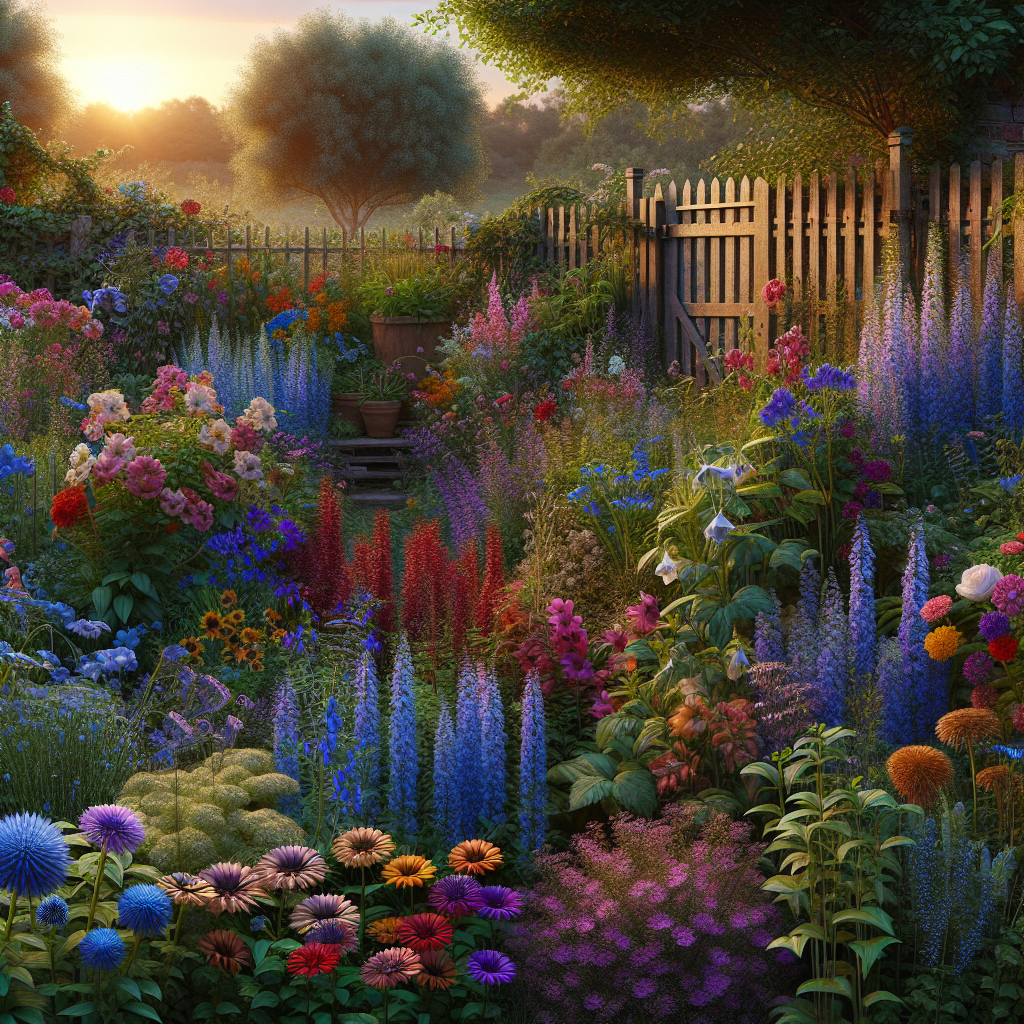
Cottage gardens are a delightful expression of nature’s beauty, combining vibrant colors, various textures, and an abundance of plant species. These borders, filled with life, reflect the unique personality of their owners while appealing to our innate desire to connect with the natural world. But what is it about cottage garden style borders that captivates gardening enthusiasts and casual observers alike?
In this comprehensive article, we will delve into the intricacies of cottage garden borders, answer common questions, and uncover tips for creating your own lush sanctuary, regardless of your gardening experience.
Understanding the Essence of Cottage Gardens
What is a Cottage Garden?
A cottage garden is characterized by its informal, relaxed style that tends to feature a mix of herbs, vegetables, flowers, and shrubs. Originating in the UK, cottage gardens were designed not just for aesthetics but also for functionality, providing food and medicinal plants for the household.
What Makes Cottage Garden Borders Unique?
Borders in a cottage garden are typically filled with a vibrant medley of blooms and foliage, showcasing a variety of heights, colors, and textures. Unlike formal gardens with rigid lines and symmetry, cottage garden borders celebrate a more chaotic, organic style. This naturalistic approach exudes charm and allows for spontaneity, making it an ideal choice for gardeners looking for an inviting and warm outdoor space.
Designing the Perfect Cottage Garden Border
1. Selecting the Right Location
What Factors Should I Consider When Choosing a Location for My Borders?
When choosing a location for your cottage garden borders, consider the following:
- Sunlight: Most traditional cottage garden plants require full sun for at least six hours a day. Assess your garden’s layout and shadows cast by structures or trees.
- Soil Quality: Healthy, well-draining soil rich in organic matter is essential for fostering vigorous plant growth. Conduct a soil test to determine pH and nutrient levels and amend as necessary.
- Accessibility: Your borders should be easily accessible for maintenance, such as weeding, deadheading, and watering. Aim for a clear pathway, be it grass or gravel, adjacent to the border.
2. Choosing the Right Plants
What Plants Are Ideal for Cottage Garden Borders?
Cottage garden borders thrive with a mix of perennials, annuals, and even some biennials. Here are some popular choices:
- Perennials: Lavender (Lavandula), Peonies (Paeonia), Echinacea (Coneflower), and Daylilies (Hemerocallis) contribute consistent blooms year after year.
- Annuals: Include bright and cheerful varieties like Zinnias, Cosmos, and Marigolds for added seasonal color.
- Herbs: Consider adding herbs such as Chives, Rosemary, and Thyme for both culinary use and aesthetic appeal.
- Climbers: Incorporate climbing plants such as Clematis or climbing Roses on trellises to add vertical interest.
- Foliage Plants: Plants with interesting foliage, such as Lamb’s Ear (Stachys byzantina) or Heuchera, can add texture and contrast to the border.
3. Layering Plants for Depth
How Can I Create Visual Interest Through Layering?
Layering is crucial in achieving depth and dimension in cottage garden borders. The typical arrangement involves:
- Tall Plants: Place taller plants, like Delphiniums or Sunflowers, at the back of the border to provide height.
- Mid-range Plants: In the middle, add medium-height blooms like Shasta Daisies or Calendula.
- Ground Cover: Finally, use low-growing plants like Alpine Strawberries or Creeping Thyme at the front, which will soften the edges and hug the soil.
4. Adding Structure
What Elements Can I Incorporate for Added Structure?
Cottage gardens can sometimes benefit from some deliberate structural elements to enhance their informality:
- Fences: A rustic wooden fence or trellis can create a backdrop for climbing plants.
- Arbors and Arches: These can frame entrances or pathways, adding a romantic feel to your garden.
- Pathways: Gravel, stone, or even stepping stones can guide visitors through your garden while providing contrast to the lush greenery and blooms.
Emphasizing Color and Texture
1. Color Schemes
How Do I Choose a Color Palette?
Choosing a color palette in cottage garden borders can significantly impact the overall aesthetic. Here are a few tips:
- Monochromatic: Stick to shades of a single color for a cohesive and soothing effect.
- Contrasting Colors: Use bold contrasting colors for a vibrant and lively impression.
- Soft Pastels: For a gentle, dreamy effect, soft pastels can add a romantic feel.
2. Textural Contrast
Why is Texture Important in Border Design?
Incorporating a variety of textures—smooth, spiky, feathery, or velvety—adds richness and dimension. Mix flowering plants with thick-leafed foliage or grasses to create a visually engaging experience.
Seasonal Interest
1. Planning for Year-Round Beauty
How Can I Ensure My Borders Look Good All Year?
A well-planned cottage garden border should offer blooms and interest throughout the seasons:
- Spring: Early bloomers like Daffodils, Tulips, and Forget-Me-Nots pave the way for seasonal renewal.
- Summer: Mid-summer stars like Hollyhocks and Phlox take center stage.
- Fall: Asters and Sedums offer stunning fall colors and attract pollinators.
- Winter: Consider evergreen plants such as Boxwood or shrubs with winter interest, like Red Twig Dogwood.
Maintenance and Care
1. Regular Upkeep
What Maintenance Is Required for Cottage Garden Borders?
Cottage gardens require consistent care to keep them looking vibrant and thriving:
- Watering: Newly planted borders will need regular watering until established. Once established, many cottage garden plants are quite drought-resistant.
- Pruning: Deadheading spent flowers and cutting back overgrown plants encourages new growth and prolongs blooming.
- Weeding: Regular weeding is essential to prevent competition for nutrients and water.
2. Managing Pests and Diseases
How Can I Protect My Plants?
Introduce beneficial insects like ladybugs and lacewings that prey on pests. Organic methods, such as neem oil or insecticidal soap, can tackle infestations and diseases without harming beneficial insects.
Embracing Biodiversity
1. Creating a Diverse Ecosystem
Why Is Biodiversity Important in Cottage Gardens?
A diverse range of plants not only enhances visual appeal but also supports local wildlife. Pollinators like bees and butterflies thrive in environments rich with varied flowering plants, and this biodiversity plays a vital role in a sustainable garden ecosystem.
2. Attracting Pollinators and Wildlife
How Can I Encourage Wildlife in My Garden?
Choose native plants, provide nesting spaces, and avoid pesticides to create an inviting environment for beneficial wildlife. Incorporating water features, such as small ponds or bird baths, can also attract birds and beneficial insects.
Conclusion: Cultivating Your Cottage Garden Paradise
Creating a cottage garden-style border is a fulfilling journey that results in a charming, vibrant outdoor space filled with life. Emphasizing diversity, color, and texture can help transform any area into an enchanting refuge.
Key Takeaways
- Design Holistically: Consider aspects such as sunlight, soil quality, and plant selection for a successful garden border.
- Mix and Match: Embrace the chaotic charm of cottage gardens by choosing a variety of plant species.
- Year-Round Planning: Ensure your borders offer seasonal interest through careful planning.
- Biodiversity Matters: A diverse garden supports wildlife, contributing to a healthier ecosystem.
In summary, whether you’re aiming for a dramatic floral display or a peaceful retreat, embracing the art of cottage garden design can lead you to a rewarding and joyous horticultural experience that will delight you, your family, and your community. So grab your spade and get started on the journey towards cultivating your idyllic cottage garden!