
Introduction
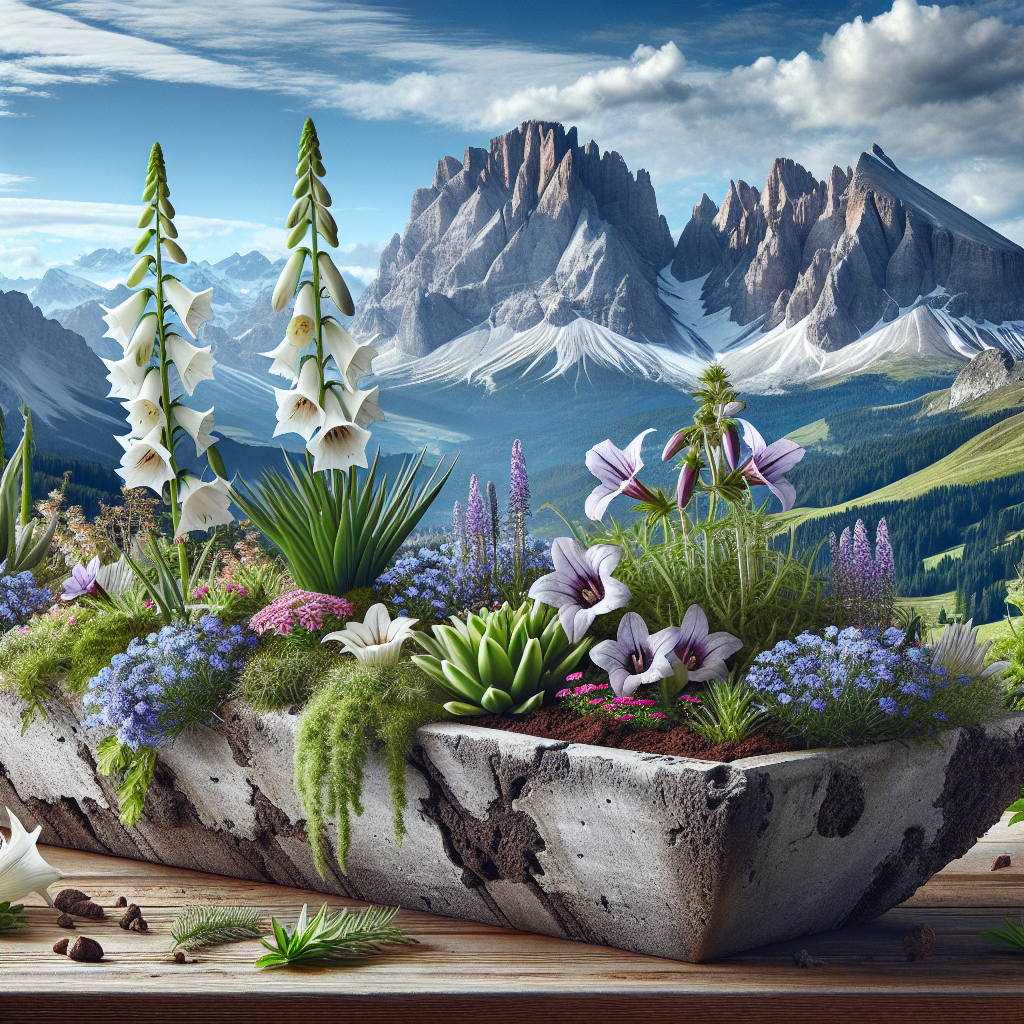
For gardening enthusiasts, the allure of alpine plants is hard to resist. Their unique forms, astonishing colors, and ability to thrive in challenging conditions draw many to create their own epic landscapes. One of the most fascinating mediums to cultivate these beautiful specimens is through hypertufa containers. These rustic, artfully crafted troughs not only elevate the aesthetics of your garden, but they also provide an ideal environment for many alpine plants. In this comprehensive guide, we will explore hypertufa containers and delve into every aspect of creating and planting an alpine trough garden.
What is Hypertufa?
Hypertufa is a lightweight, porous material composed of a mixture of cement, peat moss, and perlite or vermiculite. This easy-to-make material replicates the appearance of natural stone while allowing for optimal drainage and air circulation—two critical factors for the success of alpine plants.
Why Choose Hypertufa?
- Lightweight: Unlike traditional stone, hypertufa is much lighter, making it easier to move around your garden or even indoors.
- Customizable: It can be molded into various shapes and sizes to suit your design preferences.
- Porous Nature: The porous structure of hypertufa allows moisture to evaporate slowly, preventing plant roots from staying too wet—a common issue with alpine plants.
- Aesthetic Appeal: Hypertufa can be treated and finished in various ways to achieve a rustic or modern look that fits perfectly into your garden ambiance.
Creating Hypertufa Containers
Materials Needed
- Portland Cement: The primary binding agent.
- Peat Moss: Provides organic material and promotes proper drainage.
- Perlite or Vermiculite: Improves drainage and aeration.
- Water: Needed to mix and activate the cement.
- Plastic container: To serve as a mold for your hypertufa.
- Mixing container: For blending materials.
- Gloves, mask, and apron: For protection during the mixing process.
- Trowel or spatula: For applying the mixture.
Step-by-Step Instructions
-
Prepare Your Workspace: Choose a well-ventilated area to work. Lay down a tarp or plastic sheet to catch any spills.
-
Mix Ingredients: In a mixing container, combine equal parts of Portland cement, peat moss, and perlite/vermiculite. A common ratio is 1:1:1, but feel free to adjust according to your specific needs.
-
Add Water: Gradually add water to the mix until you achieve a consistency resembling thick oatmeal. This mixture should be moist but not dripping wet.
-
Mold the Hypertufa:
- If using a plastic container as a mold, cover the inside with a thin layer of cooking spray or oil to make removal easier.
- Pack your hypertufa mixture tightly into the mold. Use your hands or tools to sculpt the exterior and create drainage holes in the base. Make sure these holes are large enough to prevent clogging, yet small enough to retain soil.
-
Curing: Cover the container with plastic wrap to maintain moisture. Let it cure for about 24-48 hours. After the initial curing, remove it from the mold and allow it to cure for an additional 2-3 weeks in a shaded area, misting it occasionally to prevent it from drying out too quickly.
-
Finishing Touches: Once fully cured, you can modify the appearance of your hypertufa trough. Scrub the surface with a brush to create texture, or leave it smooth for a different look.
Planting an Alpine Trough Garden
Selecting Alpine Plants
Alpine plants must withstand harsh conditions—often thriving in rocky soils with excellent drainage. Here are some popular choices for your trough garden:
- Sempervivum (Hens and Chicks): Hardy succulents that come in a variety of colors.
- Saxifraga (Rockfoil): Known for their delicate flowers and rosettes.
- Sedum: Another succulent option that thrives in dry conditions.
- Armeria (Thrift): Has a mounding growth habit with pink or white pom-pom-like flowers.
- Gentiana (Gentian): Showcasing vividly colored blossoms, perfect for adding splashes of color.
How to Plant
-
Soil Preparation: Use a mix designed specifically for alpine plants. This generally consists of coarse sand, silt, and perlite to offer excellent drainage.
-
Distribution: Arrange your plants before planting, considering height and color. Taller plants should go in the back of the trough, while shorter ones should be in the front.
-
Planting: Dig a hole for each plant and gently remove the plant from its nursery pot. Loosen any tightly bound roots. Place the plant in the hole and backfill with soil, watering gently to help settle the soil around the roots.
-
Mulching: To prevent weeds and maintain moisture, add a light layer of decorative gravel as mulch.
Caring for Your Alpine Trough Garden
-
Watering: Initially, water your newly planted trough thoroughly, then allow it to dry between waterings. Alpine plants prefer drier conditions.
-
Fertilizing: Fertilization isn’t typically necessary for alpine plants. If desired, use a diluted, low-nitrogen fertilizer during the growing season.
-
Pruning and Maintenance: Remove any dead or faded flowers to encourage new growth. If plants become overcrowded, thin them out regularly.
Frequently Asked Questions
1. How Do Hypertufa Containers Compare to Traditional Planters?
Answer: Hypertufa containers are generally more porous and lightweight than traditional planters. This allows them to provide better drainage and can help prevent overwatering. They also offer a unique aesthetic that lends character and can blend seamlessly into a garden landscape.
2. Can I Leave My Hypertufa Container Outdoors During Winter?
Answer: Yes! Hypertufa containers can withstand cold temperatures when properly cured. The porous nature of hypertufa actually aids in thermal insulation. However, be cautious about excessive moisture during the winter months, as rapid freezing and thawing cycles can cause damage.
3. What Other Plants Can I Grow in Hypertufa Containers Apart From Alpines?
Answer: While alpine plants thrive in hypertufa containers, several other types of plants can also flourish. Succulents and herbaceous perennials are excellent choices, and you may even explore growing small ferns or small-scale ornamental grasses for a diverse visual landscape.
4. How Often Should I Replace Hypertufa Containers?
Answer: With proper care, hypertufa containers can last for many years (even decades). However, aesthetic wear and tear or structural damage may prompt replacement. If you see any significant cracks or deterioration, it’s time for a new trough.
5. Is Hydration Different in Hypertufa Containers Compared to Conventional Pots?
Answer: Yes, watering schedules differ due to the superior drainage capabilities of hypertufa. Watering should be more sparing, as the planters allow moisture to escape quickly. Keeping the soil lightly moist is ideal for most plants included in an alpine garden.
6. Can I Customize My Hypertufa Trough’s Appearance?
Answer: Absolutely! After curing, you can paint, stain, or seal your hypertufa container to match your garden aesthetic. Experiment with different techniques to achieve the desired look!
Tips for Success
-
Start Small: If you’re new to hypertufa, try making a smaller trough container to perfect your technique before moving on to larger constructions.
-
Experiment with Designs: Don’t be afraid to get creative! Unique shapes and designs can create visual interest in your garden.
-
Be Patient: The curing process may take some time, but it is essential for creating strong and functional containers.
-
Seasonality: Consider seasonal changes—it’s helpful to select plants that can thrive in various weather conditions to maintain a vibrant garden year-round.
Conclusion
Creating and planting an alpine trough garden in hypertufa containers is not just a delightful gardening project but a way to customize your outdoor space artistically and functionally. The versatility of hypertufa allows for endless creative possibilities while offering an ideal habitat for alpine plants. Embrace the joy of gardening as you plan, create, and watch your alpine trough flourish and evolve through the seasons. Whether for yourself or to share with others, the beauty of your hypertufa container garden will continue to inspire and bring joy for years to come.