
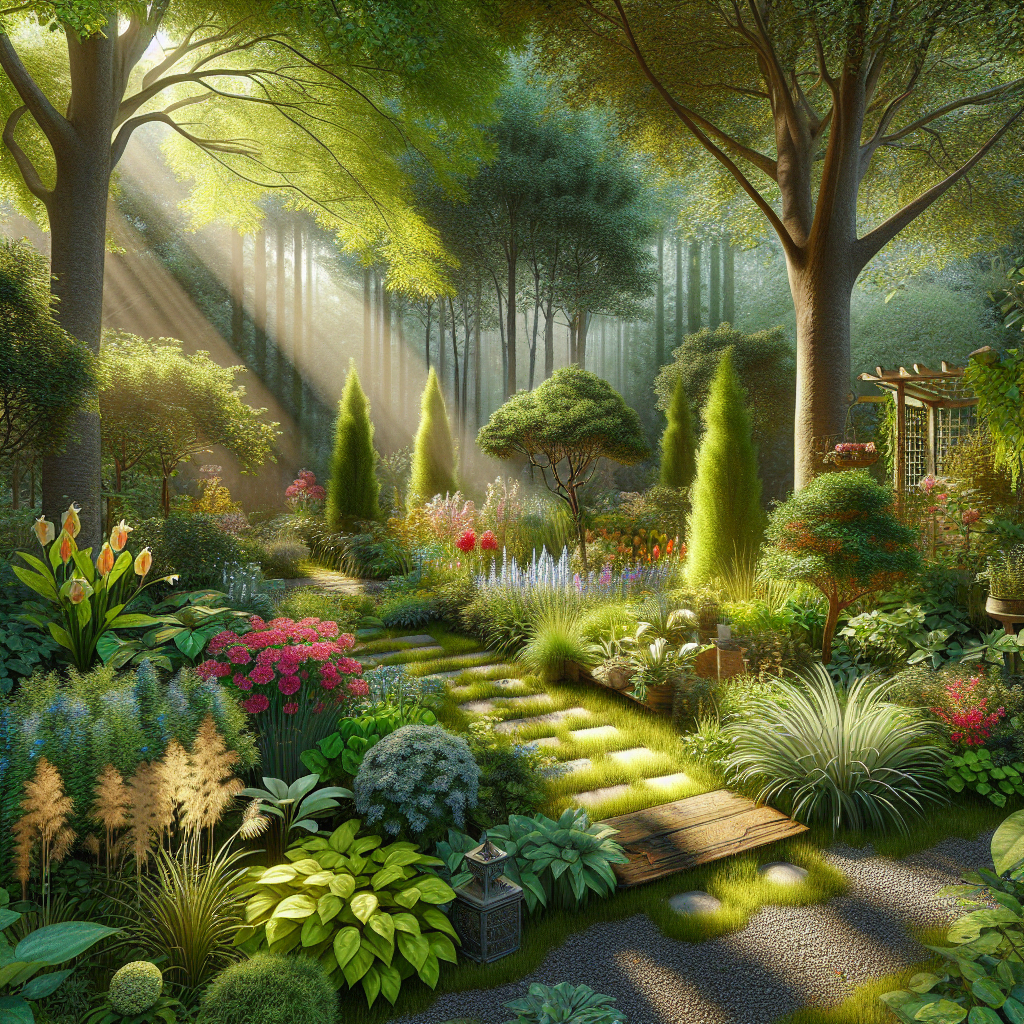
Creating a shade garden can be one of the most rewarding gardening projects. There’s a certain magic to designing a space that thrives in cooler, less sunny conditions. Whether you have a full-on forest of trees, a shaded yard due to buildings, or simply a small nook that doesn’t get much sunlight, a shade garden can be a stunning testament to the beauty of less-than-ideal conditions. In this article, we’ll delve into the intricacies of layout, plant selection, color schemes, and maintenance, all while answering common questions to guide you through the enchanting process of shade garden design.
Understanding Shade: Types of Shade for Your Garden
Before you can lay out your shade garden, it helps to understand the type of shade you have. Generally, there are three categories:
1. Full Shade:
This area receives less than 3 hours of direct sunlight per day. Typical locations include the north side of buildings, under dense trees, or anywhere that natural light is severely limited.
2. Partial Shade:
Receiving between 3 to 6 hours of direct sunlight, these areas may receive dappled sunlight throughout the day. Partial shade gardens can be lush and vibrant as various plants only require indirect sunlight to thrive.
3. Dappled Shade:
A mix of sun and shade, dappled sunlight filters through tree canopies or pergolas. This type of shade offers the best opportunities for a wide variety of plants that can thrive with varying light configurations.
Understanding your shade’s characteristics is crucial for selecting the right plants and creating a successful design layout.
Planning Your Shade Garden Layout
Creating a garden layout requires some foundational planning. Start by considering the following elements:
1. Assess the Space:
Take note of your shaded areas over different seasons, as sunlight exposure can change. Draw a rough sketch of your garden area, noting existing structures, large trees, and other landscape features, as well as soil types.
2. Defining Garden Areas:
Segment your garden into various zones. Are there wet or dry spots? Consider creating a seating area, pathways, or focal points. Zones can help you plan which plants to place where, ensuring that each plant thrives.
3. Layering:
In a shade garden, vertical layering can create visual interest and depth. Arrange taller plants at the back or center (depending on the viewing angle), mid-height plants in the middle, and shorter plants at the front. This not only enhances the aesthetic but also ensures that all plants receive adequate light.
4. Pathways:
Paths guide visitors through the garden, allowing them to experience different views and textures. They can also help with maintenance access. Choose materials like mulch, gravel, natural stone, or brick that harmonize with the overall garden theme.
5. Focal Points:
Incorporate a focal point, such as a sculpture, birdbath, or a striking plant. This serves as a visual anchor and makes your garden memorable.
Tip: Sketch your garden layout, layering it with various elements. Use garden design software, or simply use graph paper to create an engaging plan.
Selecting the Right Plants for Shade
Choosing plants for your shade garden is perhaps the most exciting part of the design process. Here are categories of plants to consider:
1. Perennials:
These plants live for more than two years and can provide consistent blooms over time. Some shade-loving perennials include:
- Hostas: With their rich foliage, they vary in color and shape, perfect for adding texture.
- Astilbe: Produces feathery flower spikes and thrives in moist, shady spots.
- Fern Varieties (e.g., Japanese Painted Fern): These add a lush greenery layer, enhancing the texture.
- Bleeding Heart (Dicentra): Known for its heart-shaped flowers, it adds elegance to any garden.
2. Annuals:
If you prefer changing the aesthetics each year, add annuals like:
- Impatiens: Colorful flowers that thrive in shady spots.
- Coleus: Known for its striking foliage colors and patterns.
3. Shrubs:
Investing in shade-tolerant shrubs can provide structure and form. Consider:
- Rhododendron and Azaleas: Provide stunning blooms.
- Boxwood: Offers evergreen structure.
4. Ground Covers:
Ground covers help suppress weeds while maintaining moisture in the soil. Some great choices include:
- Pachysandra: Evergreen and drought-resistant once established.
- Creeping Thyme: Aroma-rich and can handle some foot traffic.
5. Trees:
If you want canopy layers, consider:
- Japanese Maple: Offers stunning fall color and delicate foliage.
- Dogwood: An ornamental tree producing beautiful blooms.
6. Bulbs:
Dramatic spring blooms can come from bulbs such as:
- Snowdrops: One of the first flowers to bloom after winter.
- Bluebells: Create naturalized drifts of color in spring.
Consideration of Colors and Textures
When selecting plants, consider the overall color palette of your shade garden. There are three primary color themes:
1. Monochromatic:
Choose variations of one color, which can create a serene and cohesive look. For example, all shades of green, from dark to lime, give a calming feel.
2. Complementary:
Use opposing colors to provide striking contrast. For example, pairing purple foliage plants with yellow flowers, allows each element to enhance the other.
3. Analogous:
Selecting colors that are adjacent to each other on the color wheel can create a harmonious environment. Think of blues, purples, and greens closely grouped.
Alongside color, don’t neglect texture. Mix and match smooth leaves with fuzzy or variegated foliage to create depth and details that invite exploration.
Incorporate Functional Elements
1. Water Features:
A small fountain or pond in a shade garden can reflect light and create a tranquil atmosphere. The sound of water can add a relaxing element, enhancing the garden’s appeal.
2. Seating Areas:
Include benches, chairs, or swings to invite people to sit and enjoy the serene environment. Placing seating strategically can also maximize the beauty of your garden.
3. Lighting:
Incorporate soft lighting with lanterns, string lights, or solar-powered garden lights. This allows you to enjoy your shade garden in the evening, showcasing its beauty even after the sun sets.
4. Art and Decor:
Add personal touches using sculptures, trellises, or bird feeders to create points of interest and charm.
Common Questions about Shade Garden Design
What if my garden is extraordinarily dark?
If you find that your garden is exceptionally dark due to heavy tree cover, consider thinning some branches to allow for dappled light. Consult an arborist for advice on which branches to prune without damaging the trees.
How much maintenance will a shade garden require?
The upkeep can vary based on the plants you choose. Generally, shade gardens can require less water and maintenance than sunny patches. Regularly check for pests and weeds and remove dead foliage, especially in areas that stay moist.
How do I choose between plants?
Start with your preferred color scheme and desired textures. Continue by looking for plants that thrive in your specific shade conditions. Check local garden centers for appropriate options or online databases for native plants.
When is the best time to plant in a shade garden?
Early spring and fall are typically the best seasons for planting. Spring allows for establishment before the summer heat, while fall gives your plants a chance to root before winter.
Can I grow vegetables in a shade garden?
While most vegetables enjoy full sun, some do tolerate shade. Leafy greens, radishes, and some herbs like mint and chives can do well in partial shade. Experiment with different placements to find what grows best.
Will deer eat my shade garden?
Depending on your region and the specific plants you choose, deer may nibble on certain plants. Research deer-resistant varieties and consider additional deterrents like fencing or sprays if deer are prevalent in your area.
Conclusion
Creating a shade garden is a project that can bring a sense of peace and beauty to both you and the wildlife in your area. By understanding your space, selecting the right plants, and incorporating thoughtful design elements, you can enjoy a flourishing landscape that thrives in the shadows. Embrace the cool, serene environment that a shade garden can provide and engage all the senses; allow it to be a sanctuary in your own backyard. Happy gardening!