
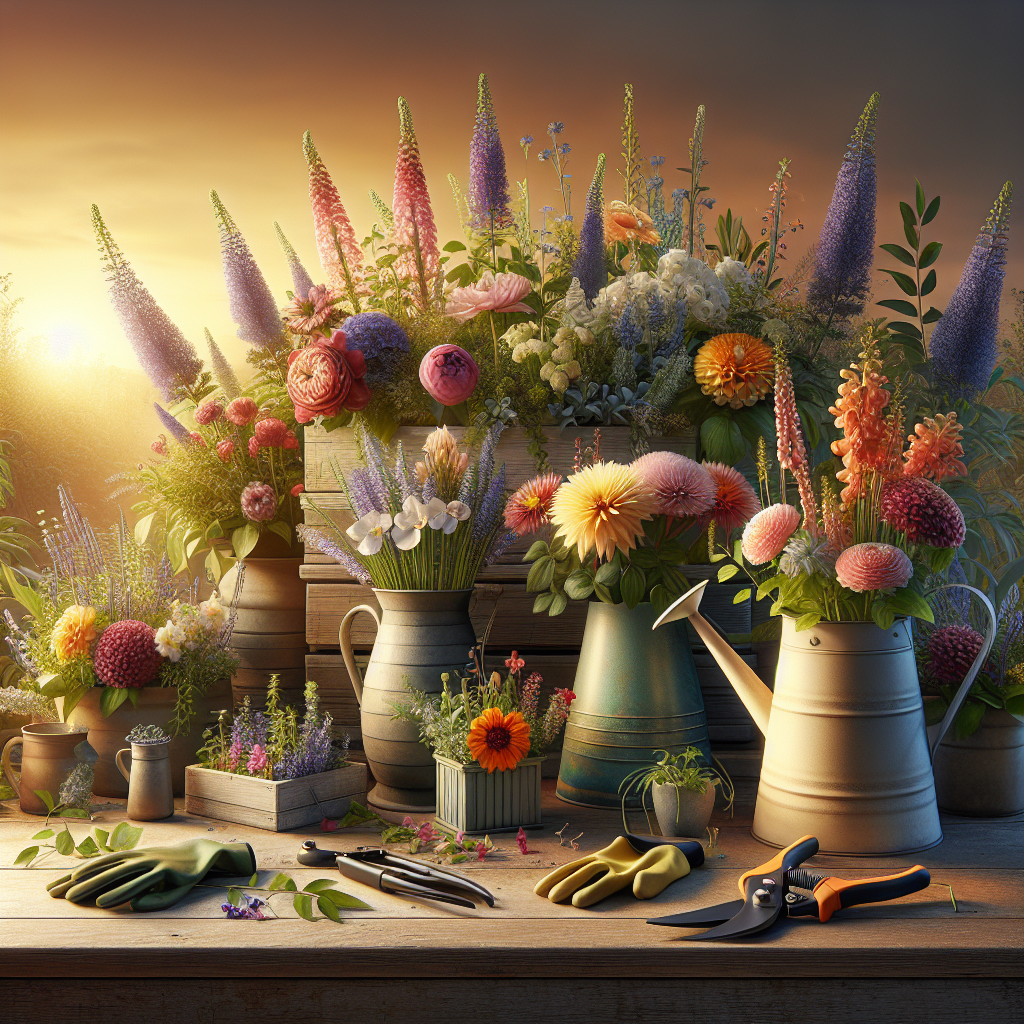
Creating a container cut flower garden can transform any outdoor space into a vibrant, fragrant, and visually stunning retreat. Whether you have a sprawling backyard or a small balcony, a container garden can provide an abundance of fresh flowers for cutting and arrangement, along with a personal oasis that thrives with life. This article delves deep into the world of container cut flower gardens, exploring their benefits, ideal plants, planting techniques, care, and much more.
What is a Container Cut Flower Garden?
A container cut flower garden is a specialized garden designed to grow flowers in pots or containers instead of in the ground. These gardens allow for versatility in design, easy maintenance, and the joy of having fresh blooms at your fingertips. With thoughtful selection and proper care, you can enjoy seasonal flowers that can be cut and used in floral arrangements, adding beauty to your home.
Why Choose a Container Cut Flower Garden?
1. Space-Efficient
One of the most compelling reasons to start a container flower garden is space. Many people live in urban settings where ground space is limited. By using pots and containers, you can create a portable garden that fits your lifestyle while still offering the pleasure of growing your own flowers.
2. Mobility
Containers allow you to move plants around easily, giving you control over light conditions and aesthetics. If you have a particularly sunny spot that plants love, you can arrange your containers accordingly. Additionally, moving them inside during colder months is a way to protect tender plants.
3. Control Over Soil Quality
Your cut flower garden benefits from the ability to control soil quality. Various flowers have different soil requirements, and with a container garden, you can customize the soil mixture for each type of flower with ease, ensuring optimal growth.
4. Accessibility
For those with physical limitations, container gardens can be easily placed at a reachable height. This accessibility makes it more manageable to tend to plants without bending down or struggling to reach.
5. Aesthetic Appeal
Container gardens offer unmatched design flexibility. You can select from numerous container sizes, colors, and materials, allowing you to create an artistic garden that complements your outdoor décor or provides a burst of color on your patio.
6. Minimal Weeding and Pest Issues
Growing flowers in containers helps keep weeds at bay. With controlled soil conditions and the ability to monitor plant health closely, you can minimize pest problems, making it an ideal option for novice gardeners.
Selecting Containers for Your Cut Flower Garden
1. Material Choices:
- Terracotta: Porous and provides excellent drainage but may dry out quickly.
- Plastic: Lightweight and affordable, they retain moisture well but may not offer the aesthetic appeal of other materials.
- Wood: Attractive but can rot without proper treatment. Choose rot-resistant types like cedar.
- Metal: Industrial and trendy, but may heat up too much in direct sunlight.
2. Size Matters:
Choose containers based on the size of the plants you intend to grow. Larger containers are ideal for established plants or tall flowers, while smaller pots will suffice for compact varieties. Aim for a minimum depth of 12 inches for proper root growth.
3. Drainage is Crucial:
Select containers with drainage holes to prevent root rot. If you fall in love with a container that doesn’t have drainage, consider using it as a decorative outer pot and place a smaller pot inside it.
4. Color and Design:
Select containers that complement your overall design theme. Bright colors can add a fun element, while earthy tones may provide a soothing vibe.
Choosing the Right Flowers for a Cut Flower Garden
1. Annuals vs. Perennials:
- Annuals: These bloom all season long but need to be replanted each year. Great choices include Zinnias, Marigolds, and Cosmos.
- Perennials: While they take longer to establish, they return year after year. Excellent options are Peonies, Daylilies, and Coneflowers.
2. Flowers with Longevity:
Select flowers based on their ability to last both in the garden and as cut arrangements. Some long-lasting cut flowers include:
- Sunflowers: Bright and cheerful, they bask in the sun and can last a week or more.
- Dahlias: These come in various colors and shapes and can last up to two weeks when cut correctly.
- Roses: Classic and timeless, certain varieties can last longer than a week in a vase.
3. Filler and Foliage:
Don’t forget about the mechanics of a stunning bouquet. Use fillers like Baby’s Breath and foliage like Eucalyptus or Ferns to enhance your arrangements.
How to Plant Your Container Garden
1. Preparing the Containers:
- Ensure the containers are clean and dry.
- If using older containers, scrub them to remove any pests or diseases.
- Line the bottom with a layer of gravel for improved drainage.
2. Choosing the Right Soil:
Invest in a high-quality potting mix designed for containers. Potting soil retains moisture but drains excess water—essential for container plants which can easily experience overwatering.
3. Spacing and Planting Technique:
- Plant taller flowers in the center and shorter ones around the edges for visual depth.
- Follow the recommended spacing on the plant labels—not enough space can lead to poor air circulation and stunted growth.
4. Watering:
Water the plants immediately after planting. With containers, it’s crucial to check soil moisture regularly as they tend to dry out faster than garden beds.
Caring for Your Container Cut Flower Garden
1. Watering:
Consistency is key. Water deeply but less frequently to encourage deep root growth. Always check the top inch of soil before adding more water—if it’s still moist, hold off.
2. Fertilization:
Opt for a balanced, slow-release fertilizer to feed your flowers. Start fertilizing at planting time and continue every 4-6 weeks, especially during peak blooming season.
3. Pruning and Deadheading:
Regular deadheading encourages more blooms. Simply pinch off spent flowers, and prune any leggy growth to promote bushiness.
4. Pest and Disease Management:
Keep an eye out for common pests like aphids and spider mites. Use insecticidal soap or neem oil if infestations are present. Keeping plants healthy through proper care can minimize disease incidence.
Seasonal Considerations
Flower availability can change with the seasons. While you can have annuals for summer blooms, be mindful of which perennials you may want to include that will yield flowers in spring or fall. Use bulbs, such as Tulips or Daffodils, for early spring blooms in your containers.
Creating a Cut Flower Arrangement
1. Gathering Your Materials:
- Flowers and foliage from your garden.
- Sharp scissors or garden shears.
- A clean vase and fresh water.
- Floral preservatives can enhance longevity.
2. Choosing the Right Vase:
Select a vase that complements your flower arrangement. Wider vases work well for larger blooms, while narrower containers can help small bouquets feel bountiful.
3. Trimming Stems:
Before placing flowers in the vase, cut the stems at an angle, allowing for better water absorption. Remove any leaves that will sit below the water line to prevent rot.
4. Arranging Flowers:
Start by placing larger blooms in the center. Add smaller flowers around them, then fill in with foliage for texture. Step back frequently to assess the arrangement.
5. Maintaining Freshness:
Change the water every few days and trim stems again to prolong the life of your arrangement.
Frequently Asked Questions about Container Cut Flower Gardens
Q: What flowers are best for beginner container gardens?
A: Ideal beginner flowers are those that are forgiving and easy to grow. Zinnias, Marigolds, and Sunflowers are great choices.
Q: How do I protect my container garden during a heatwave?
A: Increase watering frequency and consider placing containers in partial shade during peak heat times. Using moisture-retentive mulch can also help.
Q: Can I grow cut flowers indoors in containers?
A: Yes! Choose varieties that thrive in low light and are suited for indoor conditions, such as Pansies or African Violets.
Q: How often should I replace the soil in my containers?
A: Replace the soil every season or whenever it starts to break down. Refreshing soil helps prevent pests and diseases.
Q: Are there flowers I can plant in the fall for spring blooms?
A: Absolutely! Spring-flowering bulbs such as Tulips, Daffodils, and Hyacinths are perfect for fall planting in containers.
Conclusion
Starting a container cut flower garden opens a world of possibilities. From creating striking arrangements to enjoying the calming beauty of flowers, you’re not just planting seeds but cultivating joy and creativity. With the right knowledge and a bit of care, anyone can build a flourishing cut flower garden, regardless of space or experience level.
Whether you’re in it for the beauty, the fragrance, or the opportunity to bring the outdoors inside, container gardening is a fulfilling hobby that provides countless benefits. So gather your tools, select your favorite flowers, and let the blooming begin—your beautiful, cut flower oasis awaits!