
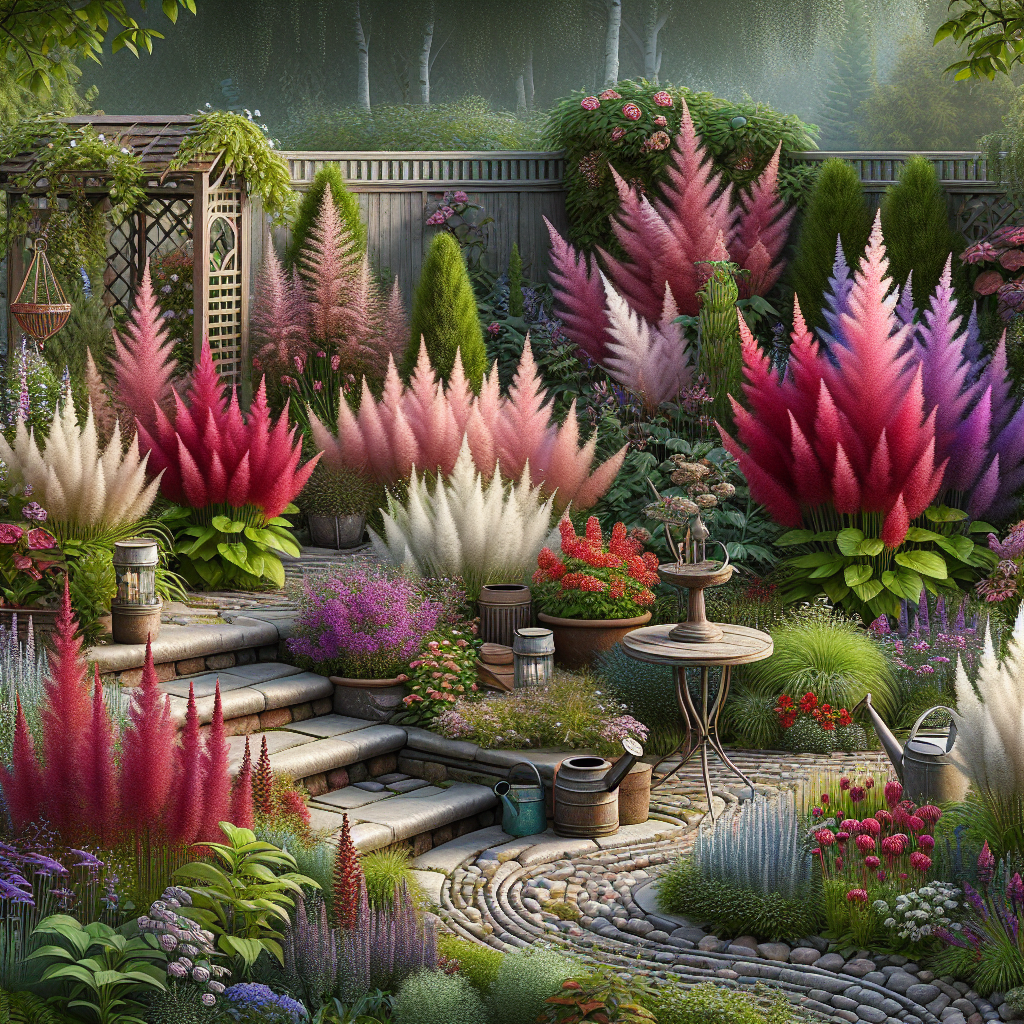
As gardeners, we often seek that perfect balance of beauty, texture, and resilience in our landscapes. One plant that stands out for its ability to provide stunning visual interest across seasons is the astilbe. With its plume-like flowers and feather-like foliage, astilbe is a fascinating choice for any garden. In this comprehensive article, we will delve into astilbe garden design, addressing common questions and offering insights into creating a visually appealing and thriving astilbe garden.
What is Astilbe?
Astilbe, commonly known as false spiraea, is a perennial flowering plant belonging to the Saxifragaceae family. Native to Asia and North America, astilbe is celebrated for its feathery plumes that bloom in various colors, including shades of pink, red, white, and lavender. These herbaceous plants prefer moist, shaded areas, making them ideal choices for woodland gardens and shady borders.
A Brief Overview of Astilbe Varieties
Astilbe has several varieties, each offering unique colors, heights, and textures. Here are some popular types:
-
Astilbe chinensis: Known for its tall stature, with flower spikes reaching up to 3 feet, this variety often features reddish buds that open to deep pink or purple flowers.
-
Astilbe simplicifolia: This compact variety produces airy white plumes and is perfect for smaller gardens or as ground cover.
-
Astilbe japonica: With its dense foliage and robust flower spikes, this variety blooms in shades of pink and white and tends to be more heat-tolerant.
-
Astilbe arendsii: A hybrid, this type is prized for its resilience and vibrant flower colors, including bright reds, purples, and pinks.
Each variety has its strengths, making it essential to choose one that aligns with your garden’s needs.
Why Choose Astilbe for Your Garden?
-
Diverse Color Palette: Astilbe offers a wide range of bloom colors, which can add vibrancy to any garden design.
-
Seasonal Interest: With its lush foliage, astilbe provides visual appeal even when not in flower, creating an attractive landscape year-round.
-
Shade Tolerance: Astilbe thrives in shaded areas, providing a brilliant solution for parts of your garden that receive little sunlight.
-
Low Maintenance: Once established, astilbe is relatively low-maintenance and pest-resistant, making it favorable for both novice and experienced gardeners.
-
Pollinator Friendly: The flowers attract a variety of beneficial pollinators, such as bees and butterflies, enhancing your garden’s ecosystem.
How to Design an Astilbe Garden
Step 1: Assessing Site Conditions
Before planting, evaluate the light levels, soil conditions, and water availability in the intended area. Astilbe prefers:
- Shade or Partial Shade: Ideally, place them in areas that receive morning sun and afternoon shade.
- Moist, Well-Drained Soil: Astilbe thrives in loamy, rich soils that retain moisture but drain well.
Step 2: Choosing the Right Varieties
As mentioned earlier, select varieties that suit your specific conditions. Keep in mind the overall height and spread of each plant to ensure a cohesive look.
Step 3: Planning the Layout
When designing your astilbe garden, consider the following layout tips:
-
Layering: Place taller varieties in the back or center and shorter varieties in front to create depth and layers.
-
Mass Planting: Grouping astilbe together can create a more impactful display. Mixing colors can add visual interest but avoid overcrowding.
-
Complementing Species: Pair astilbe with other shade-loving plants such as hostas, ferns, or brunnera for added texture and a cohesive look.
-
Soil Preparation: Amend the soil with organic matter, such as compost, to improve fertility and moisture retention.
Step 4: Planting Techniques
-
Spacing: Space astilbe plants about 18 to 24 inches apart, depending on the variety’s growth habit.
-
Digging Holes: Dig holes that are twice the width of the root ball and equal in depth. This allows for healthy root expansion.
-
Watering: After planting, thoroughly water the plants to ensure settling and hydration.
Step 5: Ongoing Care and Maintenance
Astilbes are relatively low-maintenance, but a few care tips can help them thrive:
-
Watering: Regularly water them, especially in hot, dry seasons. Aim for at least an inch of water weekly.
-
Mulching: Apply a layer of organic mulch to retain moisture and suppress weeds.
-
Fertilizing: Feed astilbe with a balanced fertilizer in early spring for robust growth.
-
Pruning: Remove spent flowers and dead foliage in the fall to promote healthy growth in the following season.
Step 6: Seasonal Considerations
Astilbe will change through the seasons, providing a diverse aesthetic experience:
- Spring: Lush green foliage emerges, and flower buds begin to develop.
- Summer: This is the showtime for astilbe, with vibrant plumes bobbing in the breeze. Keeping the soil moist will enhance their appearance.
- Autumn: The foliage may begin to turn shades of yellow and rust, creating a beautiful fall display.
- Winter: While astilbe may die back, the skeleton of the plant adds structure to the winter landscape.
What Should I Avoid in Astilbe Garden Design?
-
Overexposure to Sun: Avoid placing astilbe in full sun as this can scorch the leaves and inhibit flowering.
-
Poor Drainage: Ensure the planting site offers good drainage. Astilbe roots can rot in waterlogged conditions.
-
Competing Plants: Avoid planting astilbe alongside aggressive growers like some types of hostas that may overshadow them.
-
Neglecting Water Needs: Astilbes thrive in moist conditions, so don’t forget consistent watering during dry spells.
Creative Pairings for Astilbe Gardens
To create a harmonious design, consider incorporating a variety of companion plants that can enhance the presence of astilbe:
-
Ferns: Their feathery texture complements that of astilbe and helps create a lush, wooded ambiance.
-
Heuchera: Also known as coral bells, these plants come in various leaf colors, adding vibrancy to the ground layer.
-
Pulmonaria: Also known as lungwort, its spotted foliage complements the soft hues of astilbe blooms.
-
Japanese Maples: Planting astilbe under the delicate branches of these small trees can create an enchanting woodland scene.
Frequently Asked Questions About Astilbe
1. How Do I Propagate Astilbe?
Astilbe can be propagated through division. In early spring or fall, carefully dig up an established plant, divide the root system into sections, ensuring each has roots and growth buds, and then replant them.
2. When is the Best Time to Plant Astilbe?
The optimal time for planting astilbe is in the spring or fall. This timing ensures that the plants are established before the heat or frost hits.
3. How Often Should I Water Astilbe?
Astilbe enjoys consistently moist soil. During dry spells, aim to water them weekly to ensure they don’t dry out.
4. Can I Grow Astilbe in Containers?
Yes, astilbe can thrive in containers, provided you use a rich, well-draining potting mix. Ensure the pot has drainage holes, and remember to monitor moisture levels closely.
5. Are Astilbes Deer-Resistant?
Astilbe has a somewhat deer-resistant reputation due to its bitter taste and fuzzy foliage, but deer may still nibble on them if food is scarce.
6. How Do I Handle Pests Like Aphids?
Regular monitoring can help catch aphid infestations early. Use strong jets of water to dislodge them or apply insecticidal soap if necessary.
Conclusion
Creating an astilbe garden design is an enriching journey that results in a stunning display of nature’s beauty. With their diverse colors, lush foliage, and unique texture, astilbes can transform shady corners into vibrant havens. By following the guidelines outlined in this article, you can curate a flourishing astilbe garden that resonates with beauty and serenity.
Take the plunge into astilbe gardening and let these magnificent plants elevate your outdoor sanctuary. Whether you’re a novice gardener or have years of experience under your belt, the charm of astilbe is undeniable. Embrace this beautiful perennial today, and enjoy the visual bounty it brings throughout the seasons. Happy gardening!