
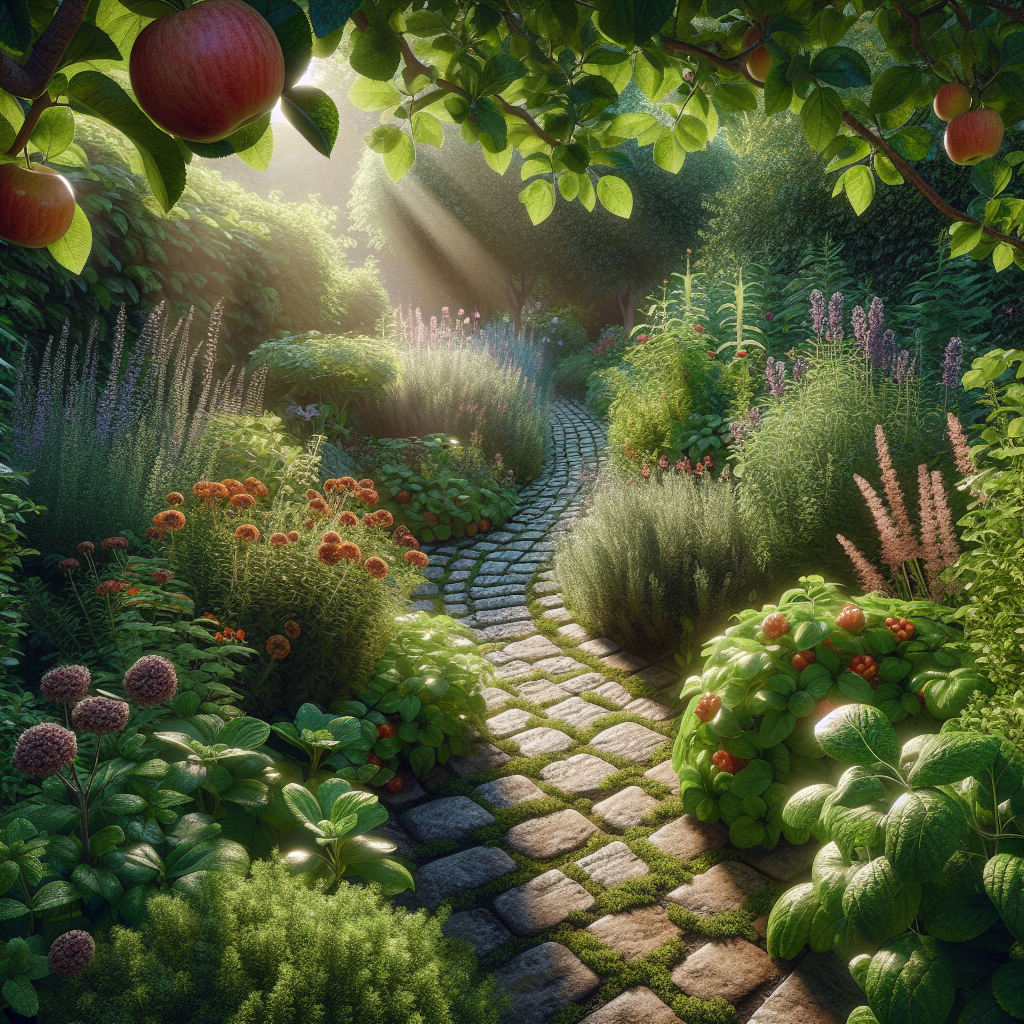
The concept of edible landscaping is rapidly gaining traction among homeowners and gardening enthusiasts alike. Far more than just a buzzword, it reflects a sustainable approach to gardening that integrates aesthetics with functionality. Imagine a yard filled with colorful fruits and vegetables, herbs that inspire culinary creativity, and flowers that attract pollinators—all while contributing to a healthier planet. In this article, we delve deep into the world of garden path edible landscaping, exploring its benefits, design principles, and practical tips for implementation.
What is Edible Landscaping?
Edible landscaping is the practice of incorporating edible plants—such as fruits, vegetables, and herbs—into ornamental landscape designs. The goal is to create a visually appealing garden that also produces nutritious food. This method transforms traditional landscaping by adding layers of utility to beauty.
History of Edible Landscaping
The roots of edible landscaping can be traced back centuries when people cultivated plants with dual purposes. Early civilizations understood the value of integrating edible plants into their gardens. The modern movement gained momentum in the 20th century as environmental concerns and the farm-to-table movement highlighted the importance of sustainable practices.
Benefits of Edible Landscaping
-
Sustainability and Environment:
- Reducing Carbon Footprint: By growing your own food, you decrease reliance on store-bought produce, which often comes with a heavy transportation cost.
- Biodiversity: An edible landscape promotes a variety of plants, fostering biodiversity and encouraging a balanced ecosystem.
-
Nutrition and Health:
- Freshness: Homegrown fruits and vegetables are often more nutritious than their store-bought counterparts, which may lose nutrients during transportation and storage.
- Accessibility: Growing your own food can make nutritious options more accessible, particularly for families facing food deserts.
-
Aesthetic Appeal:
- Visual Interest: Edible plants can provide stunning color palettes, textures, and patterns in the garden.
- Seasonal Beauty: Different plants bloom and bear fruit at various times, ensuring year-round beauty.
-
Cost-Effectiveness:
- Savings: The initial investment in plants and materials can quickly pay off as you harvest fresh produce instead of purchasing it from the store.
-
Educational Opportunities:
- Teaching Tool: Edible gardens offer great opportunities for teaching children and adults about gardening, nutrition, and environmental stewardship.
Designing Your Edible Landscape
Key Design Principles
-
Site Assessment:
- Before you dive into planting, assess your space. Consider sunlight, soil quality, and accessibility. Observe how sunlight moves through your yard throughout the day to identify the best spots for different plants.
-
Plant Selection:
- Choose a mix of annuals and perennials. Annuals (like tomatoes and peppers) produce food in a single growing season, while perennials (like asparagus and rhubarb) return year after year.
- Consider native plants as they adapt better to local climates and require less water and maintenance.
-
Layering:
- Create visual interest by incorporating plants of varying heights and textures. Taller plants can create a backdrop, while trailing herbs and ground covers can soften edges.
-
Functional Design:
- Plan for pathways, seating areas, and functional elements such as compost bins. Utilize mulch paths or stepping stones for easy access and maintenance.
-
Seasonality:
- Choose plants that will provide a harvest throughout the seasons. This can include spring greens, summer tomatoes, fall squash, and winter herbs.
Planting Suggestions
-
Herbs:
- Basil, thyme, mint, and chives can be both stunning and useful in your landscape.
- Consider planting herbs in raised beds or containers near your kitchen for easy access.
-
Fruits:
- Berries (strawberries, blueberries) and dwarf fruit trees can double as decorative features.
- Grapevines can be trained to grow along trellises, adding shade and beauty.
-
Vegetables:
- Leafy greens like kale and Swiss chard can be tucked into flower beds, while root vegetables can be planted in containers interspersed with ornamental plants.
-
Flowers:
- Bright blooms attract pollinators and can enhance the aesthetic appeal. Consider planting marigolds, nasturtiums, and sunflowers, which are also edible.
Addressing Common Questions
How Much Space Do I Need for Edible Landscaping?
You don’t need a sprawling yard to create an edible landscape. Even a small balcony or patio can accommodate container gardens with herbs, strawberries, and dwarf vegetables. Vertical gardening techniques can also maximize space, allowing you to grow upwards rather than outwards.
What are the Best Edible Plants for Beginner Gardeners?
Starting with easy-to-grow plants can build your confidence. Consider:
- Lettuce and Salad Greens: Fast-growing and can be continually harvested.
- Radishes: Quick to germinate and mature, perfect for beginners.
- Herbs: Basil, parsley, and mint thrive in pots or garden beds and require minimal care.
How Can I Manage Pests Naturally?
A balanced ecosystem often takes care of pests naturally. However, consider companion planting—growing certain plants together can repel pests. For example, marigolds can deter aphids.
If pest problems arise, try:
- Natural Solutions: Neem oil, insecticidal soap, or introducing beneficial insects like ladybugs.
- Cultural Controls: Removing infested leaves, rotating crops, and maintaining plant health.
Will Edible Landscaping Attract Animals?
While attracting beneficial pollinators is a positive aspect, some animals might see your garden as a buffet. To mitigate this:
- Use barriers like fencing around your vegetable patches.
- Consider companion planting that deters larger animals.
Can I Incorporate Edible Plants into Existing Landscaping?
Absolutely! Look for spaces within your current landscape where you can replace ornamental plants with edible varieties. For example, replace flowering annuals with colorful, edible flowers or intersperse herbs among ornamental shrubs.
Practical Steps for Beginning Your Edible Landscape
Step 1: Planning
- Draw a sketch of your space, noting sun exposure, existing plants, and desired outcomes.
- Decide how much of your landscape you want to dedicate to edible plants versus ornamental features.
Step 2: Research
- Look up local growing conditions, including hardiness zones, and choose plants that are well-suited to your environment.
- Consider the preferred methods of care and maintenance for each plant.
Step 3: Preparation
- Test your soil for pH and nutrients. Amend as necessary with compost, organic matter, or fertilizers.
- Clear the designated area of weeds, rocks, or turf, and prepare planting beds.
Step 4: Planting
- Follow spacing guidelines for each plant type to ensure healthy growth.
- Water plants immediately after planting and keep the soil consistently moist during their establishment period.
Step 5: Maintenance
- Regularly check for pests or diseases, remove dead or dying foliage, and keep beds free of weeds.
- Mulch around plants to retain moisture and suppress weeds.
Step 6: Harvesting
- Enjoy the fruits of your labor! Regularly harvest to encourage continued production.
- Share with friends, family, or neighbors—edible landscaping promotes community building.
The Future of Edible Landscaping
As sustainability becomes increasingly important, the trend of edible landscaping is expected to continue to rise. Urban areas are particularly well-suited for edible landscapes as they seek ways to combat food deserts and promote local agriculture. Community gardens and public edible landscapes illustrate a growing awareness of the need for accessible, sustainable food sources.
In addition to individual garden paths, city planners and landscapers we increasingly collaborate to integrate edible plants into public spaces, parks, and schoolyards. These initiatives not only beautify communities but also educate citizens about food production, healthy eating, and environmental stewardship.
Conclusion
Edible landscaping is more than just a practice; it’s a lifestyle choice that reflects our commitment to sustainability, health, and beauty. By transforming our gardens into productive spaces, we create environments that nourish not only our bodies but our souls. The path to an edible landscape is rife with learning, creativity, and joy, ultimately leading to both immediate rewards and long-term benefits for ourselves and the planet. Whether you have a sprawling yard or a tiny balcony, you can contribute to this movement by integrating edible plants into your living spaces. Embrace the journey towards a vibrant, sustainable future—one tomato plant at a time.