
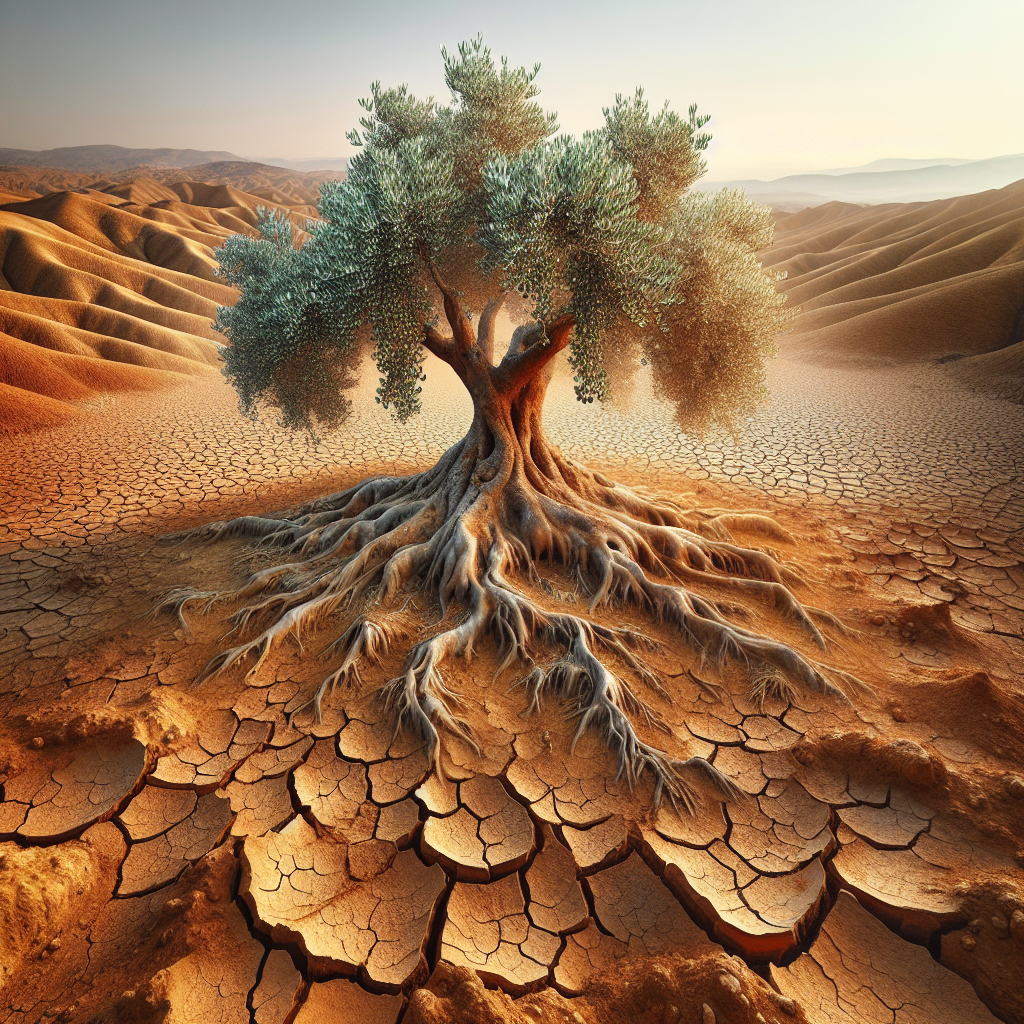
Olive trees (Olea europaea) have long been revered for their beauty, versatility, and nutritional value. Originating from the Mediterranean region, these trees have adapted to thrive in arid environments, making them excellent candidates for drought-prone areas. This article delves deeply into the nature of olive trees, addressing their drought tolerance, cultivation, ecological importance, and tips for successful planting and care.
Understanding Drought Tolerance
What Is Drought Tolerance?
Drought tolerance refers to a plant’s ability to survive and thrive in conditions with limited water availability. It is an essential trait for plants in arid and semi-arid climates where water scarcity is a common challenge. Drought-tolerant plants can withstand prolonged periods of dryness, often employing various adaptations to do so.
What Makes Olive Trees Drought Tolerant?
Olive trees possess several unique characteristics that contribute to their ability to withstand drought:
-
Deep Root Systems: Olive trees develop extensive root systems that can reach depths of up to 30 feet. This allows them to access groundwater and nutrients that are unavailable to many other plants.
-
Adapted Leaf Structure: The leaves of the olive tree are leathery and small, which helps reduce water loss through transpiration. Their dark green color indicates high chlorophyll content, allowing them to photosynthesize efficiently even in low water conditions.
-
Water Storage: Olive trees can store water in their tissues, enabling them to endure periods of drought. Their woody stems and thick bark also help reduce moisture loss.
-
Crassulacean Acid Metabolism (CAM): Some olive tree cultivars exhibit a type of photosynthesis known as CAM, which allows them to open their stomata during the cooler nighttime hours rather than during the hot daytime, further minimizing water loss.
What Regions Are Olive Trees Grown In?
Olive trees thrive in Mediterranean climates, characterized by hot, dry summers and mild, wet winters. They are cultivated extensively in countries such as:
- Spain
- Italy
- Greece
- Turkey
- Tunisia
- California (USA)
These regions, with their temperate winters and dry summers, provide optimal conditions for olive cultivation.
Questions and Answers About Olive Trees and Drought Tolerance
1. Are all olive varieties equally drought tolerant?
Answer: While most olive varieties exhibit drought-tolerant characteristics, there are differences. Some cultivars, such as ‘Arbequina’ and ‘Koroneiki,’ are specifically noted for their hardiness in dry conditions. In contrast, others may require more water, especially in their early years, as they establish their root systems.
2. How often should I water my olive trees?
Answer: Established olive trees typically require little to no supplemental watering, especially if planted in well-draining soil. During their first few years after planting, however, regular watering is essential to help establish their root systems. A good rule of thumb is to water deeply once every two weeks during dry periods. Once established, olive trees can often thrive on natural rainfall.
3. Do olive trees need special soil conditions?
Answer: Olive trees prefer well-draining sandy or loamy soils with a pH between 6 and 8. Heavy clay soils that retain moisture can be detrimental, potentially leading to root rot and other issues. Amendments such as sand or organic matter can improve drainage in less desirable soils.
4. Can olive trees survive extreme drought conditions?
Answer: Olive trees are remarkably resilient and can survive extended periods of drought, particularly once they are established. However, extreme drought conditions can stress the tree, affecting fruit development and overall health. Even drought-tolerant plants need some water to produce fruit optimally.
5. How does climate change affect olive cultivation?
Answer: Climate change poses challenges to olive cultivation from increasing temperatures to altered precipitation patterns. However, olive trees are generally well-suited to adapt to these changes due to their inherent drought tolerance. Growers may need to adjust their practices, such as mulching to conserve soil moisture or selecting more resilient cultivars, to cope with changing conditions.
6. What are the ecological benefits of planting olive trees?
Answer: Beyond their drought tolerance, olive trees provide numerous ecological advantages:
- Soil Erosion Control: Olive trees help prevent soil erosion due to their extensive root systems.
- Biodiversity: They serve as habitats for various wildlife, including birds and insects.
- Carbon Sequestration: Olive trees contribute to carbon capture, which is beneficial for combating climate change.
Cultivating Olive Trees in Drought-Prone Areas
For gardeners and farmers considering olive cultivation in drought-prone areas, several essential practices can enhance success.
Selecting the Right Location
When planting olive trees, select a sunny location with a south-facing slope, if possible. This will ensure that your trees receive adequate sunlight, leading to optimal growth and fruit production.
Choosing the Right Variety
Opt for drought-resilient varieties, such as:
- Arbequina: Known for its adaptability and rich flavor, this Spanish variety is well-suited for various conditions.
- Frantoio: An Italian variety often praised for its oil quality and drought tolerance.
- Koroneiki: A Greek variety favored for its high yield and successful performance in low-water conditions.
Soil Preparation
Before planting, it can be helpful to amend the soil with organic matter to improve drainage and nutrient availability. Avoid using fertilizers high in nitrogen, as these can lead to excessive foliage growth at the expense of fruit production.
Watering Techniques
Once established, olives need little water. However, you can implement water-saving practices:
- Drip Irrigation: This delivers water directly to the base of the plant, minimizing water loss through evaporation.
- Mulching: Applying a layer of organic mulch around the base of the tree helps retain soil moisture and regulate temperature.
Pruning and Care
Regular pruning is essential to maintain air circulation within the tree’s canopy and promote fruit production. Proper pruning also encourages a more robust root system, essential for drought resilience. Aim to prune your olive trees during their dormant season, typically in late winter.
Pest and Disease Management
While olive trees are generally resistant to many pests and diseases, keeping a close watch can help prevent problems. Introduce beneficial insects, such as ladybugs, to control pests naturally, and maintain good air circulation to reduce the likelihood of fungal diseases.
Harvesting and Using Olives
When to Harvest Olives
Harvesting typically occurs in late summer to early fall, depending on the cultivar and region. The timing for harvest is crucial as it affects the flavor and oil content of the olives. Olives that are green have a different flavor profile compared to ripe black olives, so the timing of your harvest will depend on the desired outcome.
How to Harvest
Harvesting can be done by hand or using mechanical methods. For smaller orchards or backyard trees, hand-harvesting might be preferable, involving:
- Shaking the branches: Gently shake the branches to loosen the olives.
- Hand-picking: Collect olives from the ground or directly from the branches.
Processing Olives
Fresh olives are typically inedible due to their bitter taste; they need to be cured. Common methods include:
- Brining: Soaking olives in a salt-water solution.
- Dry Curing: Coating olives in salt and letting them drain to remove bitterness.
- Lye Processing: A quicker but more technical method that involves lye and water.
Once cured, olives can be pressed to extract olive oil, a staple of Mediterranean cuisine and celebrated for its health benefits.
Health Benefits of Olive Trees
In addition to their drought-tolerant properties and culinary uses, olive trees offer various health benefits, particularly through their oil.
Nutritional Value of Olive Oil
- Heart Health: Rich in monounsaturated fats, olive oil can help lower bad cholesterol and promote heart health.
- Anti-Inflammatory Properties: Olive oil contains antioxidants such as vitamin E and polyphenols, contributing to its anti-inflammatory effects.
- Weight Management: Regular consumption may aid in weight management, particularly when used as a substitute for less healthy fats.
Olive Leaves: A Hidden Gem
Interestingly, olive leaves are also beneficial and can be used in herbal teas or supplements. They contain oleuropein, a compound with various health benefits, including:
- Antioxidant Effects: Helping to fight oxidative stress in the body.
- Blood Pressure Regulation: Potential to lower blood pressure and improve cardiovascular health.
- Antimicrobial Properties: May supplement traditional antibiotics in some cases.
Conclusion
Olive trees are not only an iconic symbol of peace and prosperity but also remarkable organisms well-equipped to survive in drought-prone conditions. Their deep-rooted systems and unique adaptations make them resilient, enabling them to thrive where other plants struggle.
For those looking to cultivate olive trees in arid regions, understanding the nuances of their care, selecting appropriate varieties, and employing sustainable practices can ensure a productive and sustainable olive grove.
From the rich, healthy oils derived from their fruit to their contributions to biodiversity and carbon capture, olive trees represent a testament to the beauty and functionality of nature. Embracing these remarkable trees in gardening and agriculture can contribute to personal health, ecological stability, and the endurance of crops in changing climates.