
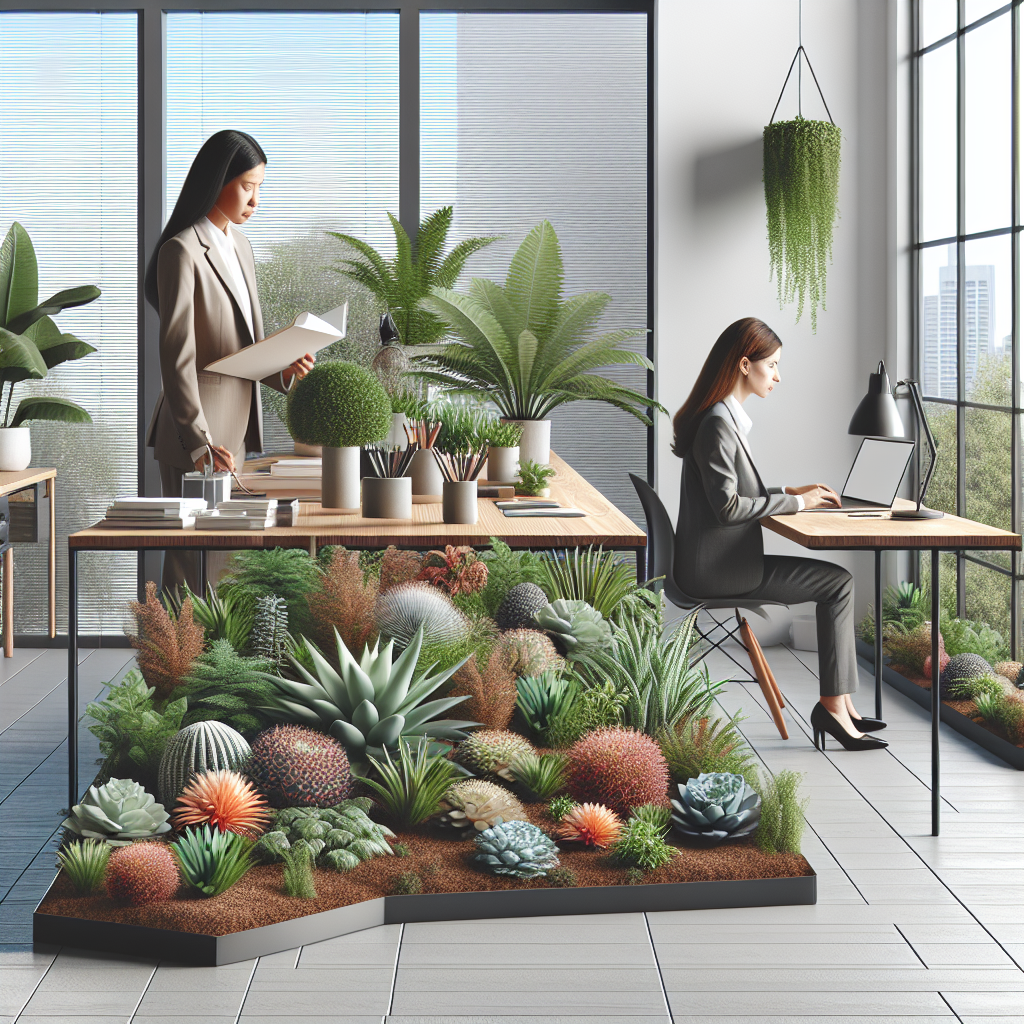
In recent years, the concept of office gardening has gained significant momentum, transforming workplaces into vibrant ecosystems where nature and productivity sashay hand in hand. With urban spaces becoming more crowded and working hours elongating, the intrinsic need for connection to nature has never been more apparent. By embracing office gardening, companies can reap not just aesthetic benefits but also tangible improvements in employee well-being, productivity, and workplace culture.
In this comprehensive article, we’ll explore what office gardening is, its myriad benefits, practical implementation strategies, and insights to help you cultivate a lush green workspace. Let’s dig deep into this growing trend.
What is Office Gardening?
Office gardening refers to the practice of integrating plants and garden-like settings into office environments. This can involve anything from desk plants to vertical gardens, rooftop gardens, or even community garden spaces available to employees during breaks. The objective is to create a more inviting workspace that fosters relaxation, creativity, and better overall health.
The Science Behind Office Gardening: Why It Matters
How Does Nature Affect Our Well-being?
Numerous studies underline the deep connection between nature and human psychology. A study by the University of Queensland found that having plants in the workplace can lead to a 15% increase in productivity. Another research piece published in the Journal of Experimental Psychology revealed that even brief interactions with nature can reduce stress and improve cognitive function.
The Biophilia Hypothesis
The Biophilia Hypothesis, conceptualized by Edward O. Wilson, posits that humans possess an innate affinity for nature. This fundamental connection suggests that incorporating natural elements within our workspaces can help reduce mental fatigue, improve focus, and foster a sense of well-being.
The Benefits of Office Gardening
1. Enhanced Air Quality
Indoor plants can be highly effective in improving air quality. According to a study by NASA, several common houseplants, such as peace lilies and spider plants, can reduce indoor pollutants, including formaldehyde and benzene. Improved air quality can lead to fewer respiratory issues among employees and contribute to overall health.
2. Increased Productivity
As mentioned earlier, implementing greenery in workspaces can positively influence productivity. A vibrant, green environment boosts creativity and focus, leading to enhanced work outcomes. Employees are less likely to experience mental fatigue and are often more motivated when surrounded by plants.
3. Reduced Stress Levels
Plants help lower stress levels and create a calming ambiance. According to research published in the Journal of Environmental Horticulture, employees working in a plant-rich environment reported lower stress levels and higher job satisfaction. The presence of greenery can serve as a natural mood enhancer, promoting happiness at work.
4. Improved Aesthetic Appeal
Aesthetics matter. A workspace filled with greenery is visually appealing and can create a more pleasant atmosphere for employees and clients alike. An attractive environment promotes a company’s image and helps in retaining clients.
5. Promoting Team Building
Gardening can also create opportunities for social interaction among employees. Organizing gardening workshops or community gardening sessions can facilitate teamwork and improve interpersonal relationships.
Common Questions about Office Gardening
What Types of Plants Are Ideal for Office Spaces?
Choosing the right plants is crucial for successful office gardening. Here are some popular options:
- Snake Plant (Sansevieria): Known for its air-purifying qualities, it thrives in low light and requires minimal care.
- Pothos: This trailing vine is safe for pets and thrives in various lighting conditions. It also efficiently removes indoor pollutants.
- ZZ Plant (Zamioculcas zamiifolia): Extremely low-maintenance and drought-tolerant, making it perfect for busy offices.
- Spider Plant (Chlorophytum comosum): Excellent air purifier, thriving in indirect sunlight.
- Peace Lily: Besides its beautiful white flowers, it effectively filters indoor air toxins.
How Can I Incorporate Office Gardening on a Budget?
Incorporating gardening into your office environment doesn’t need to break the bank. Here are some budget-friendly solutions:
- Start Small: Begin with desk plants or a small indoor herb garden in the kitchen area.
- DIY Planters: Use recycled materials or inexpensive containers to create stylish planters.
- Swap Plants: Encourage employees to bring cuttings from their home plants to share and propagate in the office.
What is the Best Configuration for Office Gardening?
The configuration largely depends on the available space. Here are a few ideas:
- Desk Plants: A single plant on each desk can promote connection to nature without requiring much space.
- Vertical Gardens: Utilizing vertical space can maximize plant presence without compromising office area.
- Common Areas: Create green zones or relaxation areas filled with plants, where employees can unwind.
How Can Office Gardening Promote Sustainability?
Office gardening aligns with sustainability efforts. It promotes the use of local resources, encourages staff to grow their food, and cultivates a mindset of environmental responsibility. Businesses can also choose to use organic soil and pest control methods, reducing the carbon footprint associated with plant care.
Can Office Gardening Improve Employee Engagement?
Absolutely. Offices that promote personal investment through garden care can significantly enhance employee engagement. When employees participate in the gardening process—whether it be watering, pruning, or even planting—they develop a sense of ownership and pride in their workplace environment.
How Do I Maintain Office Plants?
Maintaining office plants is crucial for their long-term survival. Here are some tips:
- Watering Schedule: Teach employees about the specific watering needs for their desk plants. Consider a shared calendar.
- Rotation: Rotate plants periodically to ensure balanced growth, especially if there’s uneven lighting in the workspace.
- Cleaning: Dusting leaves and checking for pests can keep plants healthy, and engaging employees in the maintenance process drives a greater connection to the greenery.
Practical Steps to Implement Office Gardening
Step 1: Assess Your Space
Evaluate the physical layout and lighting conditions of your office. Identify the best areas for implementing greenery. Consider common areas, lobbies, or even bathrooms where plants can thrive.
Step 2: Set Goals
Establish what you hope to achieve through office gardening. Do you want to enhance air quality, create a relaxing break area, or promote team collaboration? Setting specific goals will guide your actions.
Step 3: Involve Employees
Getting employee buy-in is crucial for the success of office gardening. Host brainstorming sessions, surveys, or workshops to gather input on what plants and gardening initiatives employees prefer.
Step 4: Start Small
Begin with low-maintenance plants in communal spaces and soon expand to desk plants or larger-scale initiatives like a vertical garden.
Step 5: Create a Maintenance Plan
Set a routine for watering, fertilizing, and caring for the plants. Assign employees to take turns or hire a professional service if the budget allows.
Step 6: Track Progress and Benefits
Collect feedback from employees about their experiences with office gardening. Measure productivity, morale, and overall job satisfaction pre-and-post implementation to quantify the benefits.
Going Beyond: Future Trends in Office Gardening
As office gardening continues to evolve, we can expect several exciting trends to emerge.
1. Smart Gardening
With the rise of technology, smart gardening devices will become more commonplace in office environments. Sensors to monitor moisture levels, humidity, and light conditions can optimize plant care, keeping them healthy with minimal intervention.
2. Edible Gardens
More offices are likely to embrace edible gardening, where employees can grow their herbs or vegetables. A small community garden or rooftop garden can provide fresh produce, enhancing employee wellness and engagement.
3. Increased Focus on Mental Health
The importance of mental health in workplaces continues to rise. Companies are likely to adopt more green initiatives as part of their overall wellness strategy, acknowledging the psychological benefits plants bring.
4. Collaboration with Local Farms
Partnerships with local farms can provide offices with fresh seasonal plants, allowing them to host farm-to-table events that further cultivate community engagement and support local businesses.
Conclusion
The concept of office gardening is not merely a trend but a transformational movement that recognizes the profoundly beneficial role nature plays in our lives, especially in work environments. By understanding the importance of integrating greenery into the workplace, companies can enhance employee well-being, boost productivity, and foster a positive workplace culture.
In the face of rising mental health concerns and increasing work-related stress, cultivating an environment rich with life is not just a choice—it’s an imperative. Whether you’re an employee looking to green your desk or a manager keen on enhancing your workspace, the journey of office gardening is both rewarding and enriching. As we dig deeper into the benefits and possibilities of office gardening, we cultivate not just plants but flourishing communities within our workplaces.
So, roll up your sleeves, unleash your inner gardener, and embark on an exciting green adventure that will benefit you, your colleagues, and ultimately, your organization as a whole. Happy gardening!