
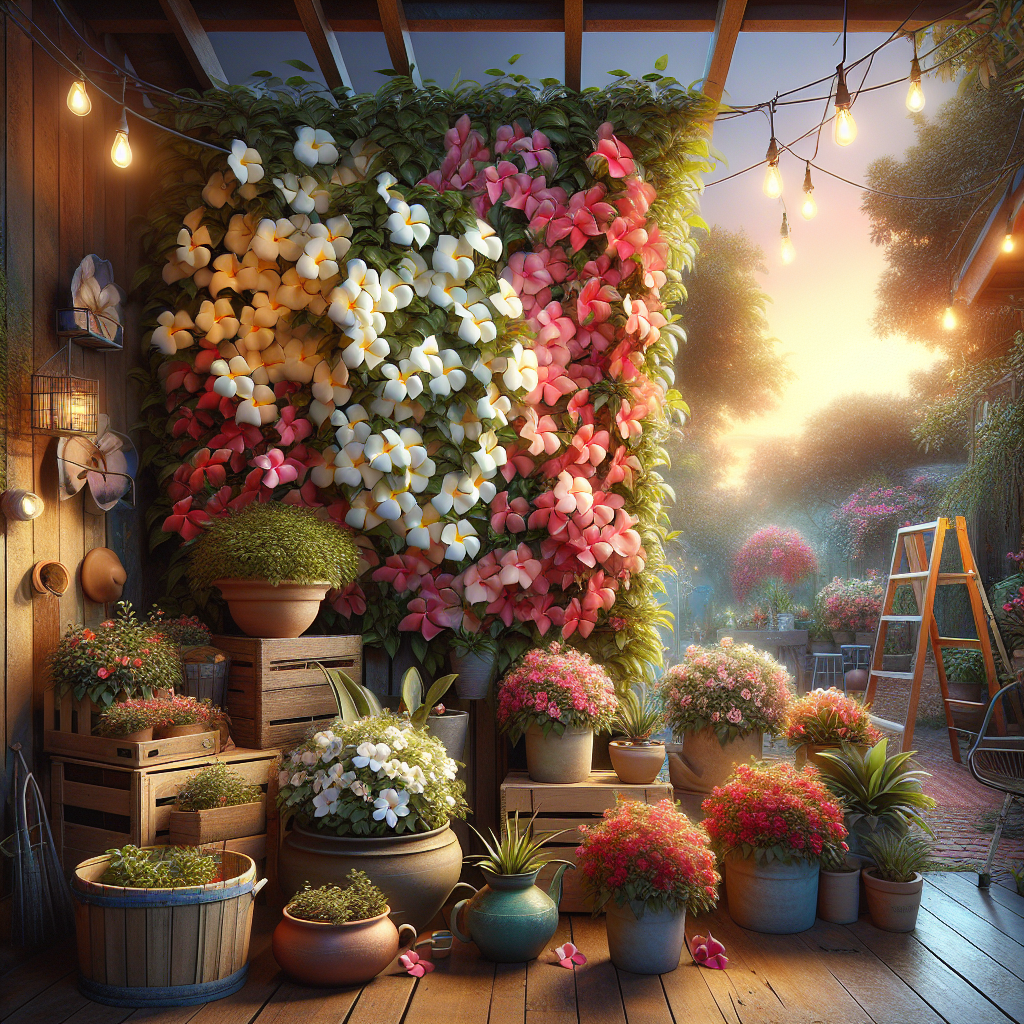
If you’re looking to add a splash of color and vibrant beauty to your outdoor or indoor living spaces, consider incorporating Mandevilla plants into your container garden. With their stunning, trumpet-shaped flowers and vigorous growth, Mandevilla vines not only serve as eye-catching accents but also evoke a sense of tropical paradise. In this comprehensive guide, we’ll explore various ideas for crafting stunning Mandevilla containers, delve into the specifics of care and maintenance, and answer common questions that enthusiasts and beginners alike may have.
Understanding Mandevilla: The Basics
Before diving into container ideas, it’s essential to understand what Mandevilla is and why it’s such a popular choice for container gardening.
What is Mandevilla?
Mandevilla is a genus of flowering plants native to Central and South America. Known for their glossy foliage and large, fragrant flowers ranging from white to shades of pink, red, and yellow, Mandevillas are versatile plants often used in landscaping, as well as in hanging baskets and containers. They are perennial in warm climates but can also thrive as annuals in cooler regions.
Why Choose Mandevilla for Containers?
-
Versatility: Mandevillas are adaptable to various container sizes and types, from small pots to large planters or hanging baskets.
-
Colorful Blooms: Their vibrant flowers can bring life to any space, making them perfect for patios, balconies, or entryways.
-
Climbing Ability: Mandevillas are climbing vines, making them ideal for vertical gardening. They can easily be trained to grow on trellises, fences, or even poles within containers.
-
Low Maintenance: Despite their tropical appearance, Mandevillas require relatively low maintenance, making them suitable for both novice and experienced gardeners.
Ideal Growing Conditions for Mandevilla
Mandevilla thrives in warm, sunny locations. Here are some key conditions to consider:
- Light: They prefer full sunlight, ideally at least 6 hours of direct sunshine daily.
- Soil: A well-draining potting mix rich in organic matter works best.
- Watering: These plants thrive with consistent moisture but dislike soggy soil, so proper drainage is crucial.
- Temperature: Mandevilla does best in temperatures between 70-80°F (21-27°C) but can tolerate temperatures as low as 50°F (10°C).
Container Ideas for Mandevilla
Now that you understand the basics, let’s explore various container ideas to showcase your Mandevilla plants beautifully.
1. Single-Plant Containers
One of the simplest yet most effective ideas is to dedicate an entire container to a single Mandevilla plant. This approach lets each flower shine and draws attention to its unique beauty.
Container Suggestions:
- Size: A pot at least 12-18 inches in diameter is ideal for the roots to thrive.
- Style: Choose bold, colorful ceramics or textured pots to accentuate the vibrant blooms. Light-colored pots can also contrast beautifully with the flowers.
2. Multi-Plant Displays
For a fuller look, consider planting multiple Mandevillas together in a larger container. Mixing different colors can create a stunning visual effect.
Container Suggestions:
- Size: A 24-inch diameter planter can accommodate multiple plants.
- Companions: Combine Mandevilla with trailing plants like ivy or petunias, or even with upright blooms such as marigolds, to create dynamic layers of color and texture.
3. Vertical Vines with Trellis
Mandevillas are natural climbers, so incorporating a trellis into your container can create a striking vertical display.
Container Suggestions:
- Trellis Size: Choose a trellis that’s at least 4-6 feet tall.
- Style: Wooden trellises work well with natural settings, while metal options suit more modern aesthetics. Position the trellis in the center of a large planter, allowing the Mandevilla to spiral up.
4. Hanging Baskets
Mandevillas can also thrive in hanging baskets. This is an excellent choice for smaller spaces or to add depth to your vertical garden.
Container Suggestions:
- Size: Use baskets that are at least 12-14 inches deep to accommodate the root system.
- Companion Plants: Mix with cascading plants, like ferns or string of pearls, which can provide a lush underlayer to the Mandevilla.
5. Mixed Garden Urns
For a botanical centerpiece, try using a decorative garden urn, layering several plants for a bountiful appearance.
Container Suggestions:
- Size: A large urn is suitable to accommodate various plants, with Mandevilla as the centerpiece.
- Design: Choose a cast stone or terracotta urn for a classic look, allowing the vibrant flowers of the Mandevilla to pop against the natural materials.
6. Seasonal Rotation
One of the fantastic features of container gardening is the ability to rotate plants with the seasons. Mandevilla can be combined with seasonal blooms for continual color throughout the year.
Container Suggestions:
- Spring: Pair Mandevilla with pansies or petunias for early color.
- Summer: Add vibrant zinnias or sunflowers for heat-loving companions.
- Fall: Introduce ornamental cabbages or kale as the summer blooms fade.
Care and Maintenance
How Do I Care for My Mandevilla Container?
Watering: Monitor the moisture level, watering when the top inch of soil feels dry. Typically, Mandevillas in containers will require watering a couple of times a week, depending on environmental conditions.
Fertilizing: Use a balanced, water-soluble fertilizer every 4-6 weeks during the growing season. A fertilizer high in potassium can help promote more blooms.
Pruning: Regularly pinch back the tips of the vines to encourage bushier growth and more flowers. Prune in late winter or early spring before new growth begins.
Pest Management: Keep an eye out for pests such as aphids or spider mites. Use insecticidal soap or neem oil for treatment if necessary.
When Should I Bring My Mandevilla Inside?
If you live in a cool climate, and temperatures drop below 50°F (10°C), it’s time to bring your Mandevilla indoors. Choose a location with plenty of sunlight and maintain watering as needed.
Frequently Asked Questions
1. Can Mandevilla Be Grown Indoors in Containers?
Yes, Mandevillas can be grown indoors as long as they receive ample sunlight. A southern-facing window is ideal to ensure they get at least 6 hours of direct sunlight per day.
2. How Do I Choose the Right Container for Mandevilla?
When selecting a container, consider size, material, and drainage. Ensure the container is large enough for the roots (at least 12-18 inches wide) and has drainage holes to prevent waterlogging.
3. What Are the Best Companion Plants for Mandevilla?
Companion plants depend on whether you want to create a contrast in color or texture. Consider planting trailing species like petunias with contrast colors to Mandevilla or upright varieties like marigolds for a layered effect.
4. How Do I Propagate Mandevilla?
Mandevilla can be propagated from cuttings taken in late spring or summer. Take a healthy cutting with a few leaves, dip it in rooting hormone, and place it in a well-draining potting mix. Keep the soil moist until roots develop.
5. What Should I Do If My Mandevilla Is Not Blooming?
Several factors may affect blooming, including insufficient light, inadequate watering, or lack of nutrients. Ensure that your plant is getting enough sunlight and that your fertilization schedule is adequate.
Conclusion
Mandevilla plants offer an incredible opportunity to enhance your gardening projects, whether on patios, balconies, or indoor spaces. With their striking blooms and relatively simple care requirements, these beautiful vines can transform any container into a colorful oasis.
By exploring various container ideas, understanding growing conditions, and answering frequently asked questions, this comprehensive guide aims to empower you to create your own stunning Mandevilla arrangements. So gather your pots, select your favorite colors, and begin your journey to a vibrant Mandevilla display that captures the spirit of summer all year round!