
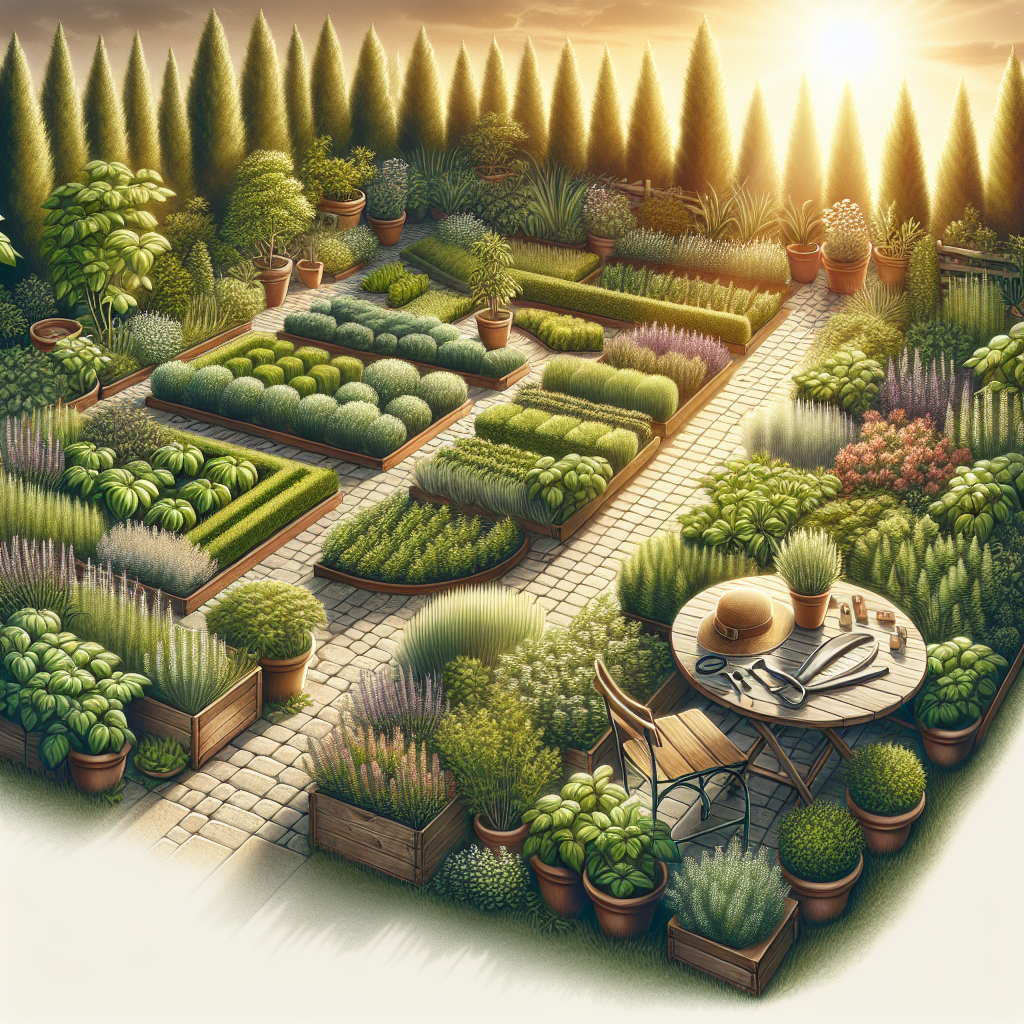
The aromatic allure of fresh herbs wafting through your kitchen can elevate a mundane meal into a culinary masterpiece. Cultivating your own culinary herb garden not only enhances the flavor of your dishes but also instills a magnificent sense of accomplishment and connection with nature. This article aims to delve into the intricacies of designing a culinary herb garden, addressing common questions, and providing insights to guide you through the process.
Why Choose a Culinary Herb Garden?
Enhancing Flavor and Nutrition
Culinary herbs are more than just flavor enhancers. They are packed with essential nutrients, antioxidants, and anti-inflammatory properties. For instance, rosemary is rich in antioxidants, while basil, with its anti-inflammatory compounds, can serve as a natural health booster.
Sustainable Food Source
Growing herbs at home reduces your reliance on store-bought products, which often come with a hefty carbon footprint due to transportation. By cultivating your own herbs, you contribute to sustainable practices and ensure fresh ingredients at your disposal.
Cost-Effective
Buying fresh herbs can be surprisingly costly, especially when you factor in waste. Growing your own ensures you’re only harvesting what you need, minimizing spoilage and saving you money in the long run.
Therapeutic Benefits
Gardening is a therapeutic activity, aiding in reducing stress and anxiety levels. The act of nurturing your plants can improve mental well-being, making a culinary herb garden a joy on multiple fronts.
What Herbs Should I Grow?
Choosing Your Herbs
The first question many aspiring herb gardeners ask is: What should I grow?
Here’s a list of culinary herbs that flourish in many gardens:
- Basil: A staple in Italian dishes, it’s perfect for pesto and salads.
- Parsley: A versatile herb that can enhance the flavor of a variety of dishes.
- Thyme: Ideal for meat dishes and soups, thyme is hardy and easy to grow.
- Oregano: Great for Italian and Mediterranean dishes, it is a must-have for pizzas.
- Cilantro (Coriander): Key in Mexican and Asian cuisines, its leaves and seeds (cilantro/coriander) are both useful.
- Chives: Their onion-like flavor enhances salads and soups without the harshness of onions.
- Rosemary: A strong flavor that pairs well with meats, potatoes, and breads.
- Mint: Aromatic and refreshing, mint is excellent in drinks and desserts.
Seasonal Selection
Consider growing herbs that are suited for your local climate and the seasons. For instance, basil thrives in summer while parsley can withstand colder temperatures. Tailoring your selections to your climate will enhance your chances of a successful harvest.
What Are the Best Conditions for Growing Herbs?
Sunlight
Most culinary herbs require at least six hours of sunlight daily. Observing your garden during various times of the day will help you assess which areas provide the best sun exposure.
Soil Quality
Herbs thrive in well-drained, nutrient-rich soil. It’s advisable to:
- Conduct a Soil Test: Check pH levels and nutrient content.
- Amend the Soil: Based on the test results, consider adding organic matter like compost or aged manure to enrich the soil.
Watering Needs
Proper watering is crucial. Generally, herbs prefer a moist but not soggy environment. The key is to keep the soil consistently damp and allow it to dry out slightly between waterings. This encourages deep root growth and enhances flavor.
Spacing and Arrangement
Companion Planting
Basil and tomatoes make excellent companions, enhancing each other’s growth and flavor. Additionally, planting flowers, such as marigolds, can deter pests while attracting beneficial pollinators.
Spatial Arrangement
When designing your herb garden, consider using vertical planting methods such as shelves, hanging pots, or trellises. This maximizes space and can add an aesthetic element to your garden design.
How to Design Your Culinary Herb Garden
Space Exploration
Where Will Your Garden Be?
- Container Gardens: Perfect for those with limited outdoor spaces. Pots can be arranged on balconies, patios, or even window sills.
- Raised Bed Gardens: Offer well-drained conditions and make it easier to control soil quality and moisture levels.
- In-Ground Gardens: Provide ample space for root development but need greater planning for soil management.
Creating Layouts
- Zen Herb Garden: A minimalist approach featuring pathways lined with stones and clusters of herbs that appeal to the eye.
- Traditional Rows: Straight rows provide easy access for maintenance and harvesting.
- Dynamic Design: Use circular beds or spiral layouts to create intriguing visuals.
Crafting Paths and Borders
Adding pathways and borders assists in organization and aesthetics. Mulching pathways with wood chips or stones not only beautifies the garden but also aids in weed control.
Establishing Microclimates
Windbreaks, walls, or fences can act as barriers against harsh winds and create microclimates, giving sun-loving herbs a warm and protected environment to flourish.
How to Maintain Your Culinary Herb Garden
Regular Pruning
Herbs, when pruned regularly, will tend to produce bushier growth and prevent them from becoming leggy. Treat each herb differently based on its growth habits: pinch back basil when it starts to flower, while woody herbs like rosemary should be trimmed more strategically.
Pest Control
Inspect your herbs regularly for pests. Natural solutions like neem oil or insecticidal soap can be effective without harming the plants. Encourage beneficial insects, such as ladybugs and lacewings, to keep pest populations in check.
Fertilization
While herbs often flourish in nutrient-rich soil, they may require additional feeding during peak growing seasons. Use organic fertilizers, such as compost tea or liquid kelp, for healthy, robust growth.
Harvesting Techniques
Harvesting herbs can be done as needed. Use sharp scissors or pruning shears, and always cut above a leaf node to promote new growth. Take care not to remove more than one-third of the plant in a single harvest to ensure it continues to thrive.
How Can I Use My Harvest?
The use of freshly harvested herbs is limited only by your culinary imagination. Here are some ideas:
Culinary Uses
- Infusions: Make herbal teas or infused oils.
- Marinades and Sauces: Incorporate fresh herbs into dressings or marinades to elevate flavors.
- Garnishes: Use fresh herbs to add a burst of color and flavor to your dishes.
Preserving
To enjoy your herb bounty year-round, consider these preservation techniques:
- Drying: Hang herbs in a dark, well-ventilated area to dry. They can be stored in airtight containers.
- Freezing: Chop herbs and mix them with olive oil in an ice cube tray. Once frozen, they can be popped out and stored in bags for easy future use.
- Herbal Salt: Blend finely chopped herbs with salt for a flavorful seasoning.
Home Remedies
Many herbs possess medicinal properties. For example, mint can be soothing for digestive issues, and rosemary can improve circulation. Crafting homemade tinctures, infusions, or poultices can give you an even deeper appreciation for your herb garden.
Conclusion: Creating Your Own Green Sanctuary
Designing a culinary herb garden is an immensely rewarding endeavor. From elevating your cooking to fostering a deeper connection with the earth, the journey from seed to harvest is filled with learning and joy.
By understanding the growing conditions, selecting the right plants, and employing thoughtful design and maintenance strategies, you can create a thriving herb garden that not only enhances your culinary creations but also enriches your daily life.
Ultimately, your culinary herb garden can become a personal sanctuary—a place where flavors flourish, relaxation reigns, and the spirit of the earth is nurtured. So grab a handful of seeds, envision your garden, and set forth on a delicious adventure that celebrates nature and nurtures your passion for cooking.