
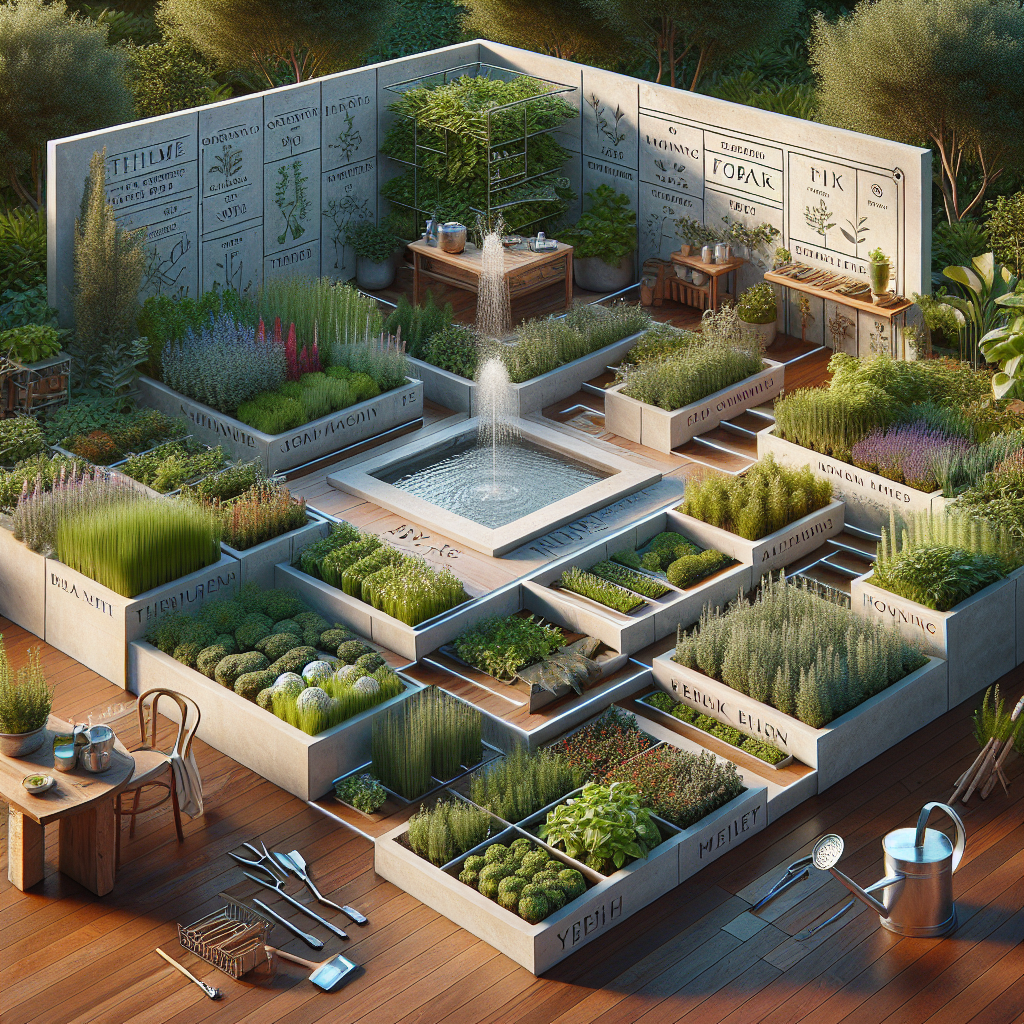
Creating a culinary herb garden is an exciting journey that not only enhances your cooking but also adds beauty and functionality to your outdoor space. The allure of fresh herbs cannot be overstated; they elevate dishes, impart unique flavors, and bring a fragrant dimension to your meals. Whether you’re a seasoned gardener or a novice, understanding how to design an effective culinary herb garden can greatly improve your culinary experience. In this article, we will delve deep into the intricacies of planning, planting, and maintaining your very own culinary herb garden.
Table of Contents
- What is a Culinary Herb Garden?
- Why Grow Your Own Culinary Herbs?
- Where Should I Place My Culinary Herb Garden?
- Choosing the Right Herbs: Which Ones Should I Grow?
- What Type of Soil is Best for Herbs?
- How to Design Your Herb Garden Layout: Companion Planting
- Watering and Maintenance: How Much Care Do Herbs Require?
- Harvesting Your Herbs: When and How?
- Common Pests and Problems: What Should I Watch Out For?
- Expanding Beyond the Garden Bed: Creative Containers and Vertical Gardens
- Conclusion: Embrace the Journey of Herb Gardening
1. What is a Culinary Herb Garden?
A culinary herb garden is a specialized area dedicated to growing herbs that are used for culinary purposes. Unlike ornamental herb gardens, where appearance might take precedence, culinary herb gardens focus purely on the flavors, scents, and sustainability of herbs used in cooking. Common herbs include basil, parsley, thyme, rosemary, and mint, among many others.
2. Why Grow Your Own Culinary Herbs?
The advantages of growing your own culinary herbs are numerous:
-
Freshness and Flavor: Nothing compares to the taste of freshly harvested herbs. Dried herbs may lose their potency and flavor, while fresh herbs boast vibrant aromas and tastes that can elevate your dishes dramatically.
-
Cost-Effective: Purchasing fresh herbs from the store can quickly become expensive, especially if you use them frequently. By cultivating your own, you save money over time.
-
Quality Control: Growing your own herbs allows you to ensure that they are free of pesticides and chemicals. You can choose to go organic and tailor your garden according to your preferences.
-
Convenience: Having a herb garden means you always have fresh herbs at hand. No more last-minute trips to the grocery store!
-
Aesthetic Appeal: Herbs can add visual interest to your yard or garden. They often feature beautiful foliage and can attract beneficial insects like bees and butterflies.
3. Where Should I Place My Culinary Herb Garden?
Sunlight Requirements: Most culinary herbs thrive in full sun, requiring at least 6-8 hours of direct sunlight a day. Before selecting a location, observe your outdoor space throughout the day to determine areas that receive adequate sunlight.
Accessibility: Having your herb garden close to your kitchen will minimize the distance you need to walk when you want to snip some fresh herbs for your culinary creations.
Drainage: Herbs prefer well-drained soil to avoid root rot. Ensure that your chosen spot does not retain water by checking the drainage ability of the soil. If the area tends to stay soggy, consider elevating your garden bed or using raised containers.
Wind Protection: Strong winds can damage delicate herbs, so placing your garden in a sheltered area may be beneficial. You can also use windbreaks, such as fences or taller plants, to protect your herbs.
4. Choosing the Right Herbs: Which Ones Should I Grow?
When selecting herbs to include in your culinary garden, consider both your culinary preferences and your local climate. Here’s a list of some essential culinary herbs:
-
Basil: A staple in Italian cuisine, basil enjoys warm weather and is perfect for making pesto.
-
Thyme: Adaptable and hardy, thyme adds great flavor to meats and soups.
-
Rosemary: This aromatic herb thrives in sunny, well-drained spaces and pairs well with roasted potatoes and meats.
-
Parsley: With its fresh and slightly peppery flavor, parsley is versatile and commonly used as a garnish.
-
Cilantro/Coriander: Great in Mexican and Asian dishes, cilantro is often either loved or hated.
-
Mint: Perfect for teas, desserts, and garnishments, mint grows vigorously and may need some containment.
-
Chives: Their mild onion flavor makes chives an excellent addition to salads and garnishes.
Before planting, consider your cooking style and the types of dishes you regularly prepare, ensuring that your garden will reflect your culinary habits.
5. What Type of Soil is Best for Herbs?
Culinary herbs thrive in well-draining soil that’s rich in organic matter. Here’s how to prepare an ideal soil mix:
-
pH Level: Herbs prefer a slightly acidic to neutral soil, with a pH range of 6.0 to 7.0. You can test your soil pH with a home test kit available at garden centers.
-
Organic Matter: Incorporate compost and well-rotted manure into your soil. This not only improves drainage but also provides essential nutrients for healthy growth.
-
Soil Structure: A good herb garden soil should have a blend of sand, silt, and clay to allow atoms to hold moisture while draining effectively.
-
Nutrient-Rich: Aim for a nutrient-rich soil. You can supplement with various organic fertilizers to encourage healthy growth.
6. How to Design Your Herb Garden Layout: Companion Planting
The layout of your herb garden can significantly enhance its productivity and pest resistance. Companion planting—a strategy that involves placing different plants in close proximity for mutual benefits—can be particularly effective.
Benefits of Companion Planting:
-
Pest Control: Some combinations can naturally deter pests. For example, basil planted near tomatoes can help repel aphids and whiteflies.
-
Growth Benefits: Certain plants may promote healthier growth. For instance, rosemary can improve the flavor and aroma of nearby herbs.
Sample Layout Ideas:
-
Grouping by Height: Place taller herbs like dill and fennel towards the back or center of the garden bed while shorter herbs like thyme and cilantro are placed in front or around the edges, ensuring each plant gets adequate sunlight.
-
Cozy Corners: Create small sections or corners for herbs that thrive in similar conditions. A “Mediterranean corner” with rosemary, thyme, and oregano could create a flavorful haven.
-
Container Gardening: If space is limited, consider using pots and containers that can be arranged decoratively. This allows flexibility while maintaining control over soil quality and moisture levels.
7. Watering and Maintenance: How Much Care Do Herbs Require?
Proper watering and maintenance are crucial for a thriving herb garden. Here are some key considerations:
-
Watering Frequency: Herbs generally prefer moderately moist soil. Water your herbs deeply, but less frequently to encourage deep root growth. Always check the top inch of the soil—if it’s dry, it’s time to water.
-
Mulching: Applying organic mulch around your herbs helps retain moisture, suppress weeds, and maintain a consistent soil temperature.
-
Fertilizing: Organic fertilizers like compost tea or fish emulsion can benefit your plants. Generally, herbs require less fertilizer than other plants. A good rule of thumb is to fertilize every 4-6 weeks during the growing season.
-
Pruning: Regular pruning encourages bushier growth. Snip off flower buds to prolong the leaf-harvesting period and promote leaf production.
8. Harvesting Your Herbs: When and How?
Knowing when and how to harvest your herbs ensures you get the best flavor and promotes healthy growth.
-
Timing: The best time to harvest herbs is in the morning after the dew has dried but before the sun is too hot. This is when the essential oils are most concentrated.
-
How to Harvest: Use clean scissors or pruning shears to snip leaves. For stems like basil, cut just above a leaf node. Avoid taking more than one-third of the plant at a time, ensuring it can continue to grow.
-
Essential Harvesting Tips: For herbs that can flower, such as basil and rosemary, consider harvesting leaves just before the plant flowers for the best flavor.
9. Common Pests and Problems: What Should I Watch Out For?
Even the best-maintained herb gardens can face challenges. Here are some common pests and problems you might encounter:
-
Aphids: These small, soft-bodied pests can cluster on young leaves. A strong blast of water can help dislodge them, or introduce beneficial insects like ladybugs to your garden.
-
Whiteflies: Similar to aphids, whiteflies can be problematic. Sticky traps can help control their population.
-
Powdery Mildew: This fungal disease can be prevented by ensuring adequate air circulation. Avoid overhead watering and plant herbs wisely to prevent overcrowding.
10. Expanding Beyond the Garden Bed: Creative Containers and Vertical Gardens
Don’t limit yourself to traditional garden beds! Creative solutions can maximize space and aesthetics.
-
Containers: Using pots, window boxes, or hanging baskets can beautify your outdoor area and move herbs closer to your kitchen. Choose pots with good drainage and use potting mix tailored for herbs.
-
Vertical Gardens: Consider building or purchasing vertical planters. These can optimize limited space and create a stunning visual display. Herbs like chives and thyme thrive in these arrangements.
11. Conclusion: Embrace the Journey of Herb Gardening
Designing a culinary herb garden is not merely an agricultural endeavor; it’s a sensory journey that allows you to engage deeply with food, nature, and creativity. It nurtures your culinary skills and offers valuable insights into the importance of growing your food sustainably. In pursuing herb gardening, you create a vibrant space filled with fresh flavors, beautiful aromas, and the satisfaction of nurturing life.
Whether you’re looking to enhance your cooking, save money, or connect more deeply with nature, a culinary herb garden is an enriching project for any green-thumb enthusiast. So grab your gardening gloves, plan your layout, and immerse yourself in the delightful world of cultivating fresh herbs. Your culinary adventures await!