
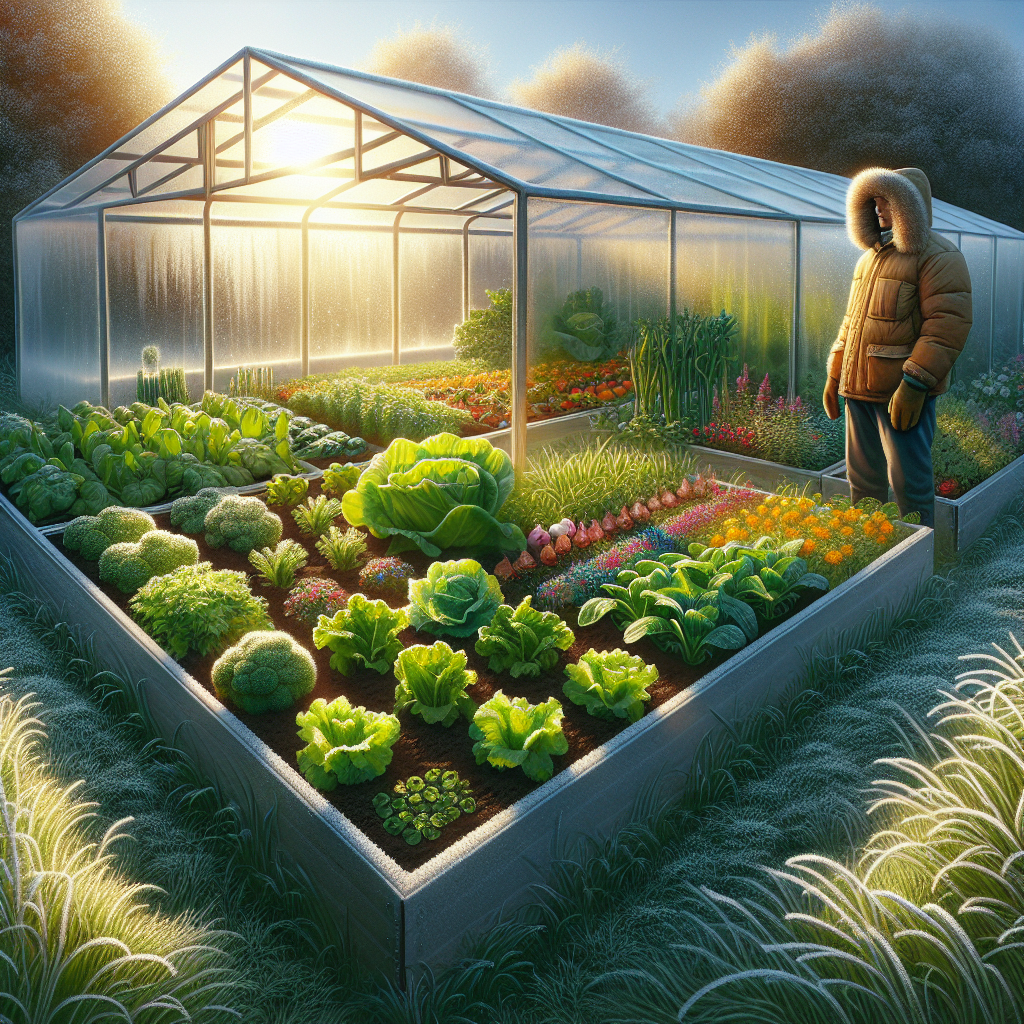
Gardening is more than just a hobby; it’s a fulfilling way to connect with nature, embrace sustainability, and enjoy the fruits (and vegetables) of your labor. If you’re looking for a way to extend your growing season and nurture your plants through varying weather conditions, cold frames can be an excellent solution. This comprehensive guide will delve into cold frame gardening, offering tips, addressing common questions, and exploring the myriad benefits of this gardening technique.
What is a Cold Frame?
A cold frame is a structure designed to protect plants from harsh temperatures while allowing sunlight to enter. Typically consisting of a wooden or metal frame topped with glass or plastic, cold frames act as mini-greenhouses, trapping heat and creating a conducive environment for plant growth.
Benefits of Cold Frames
-
Extended Growing Season: Cold frames enable you to start planting earlier in the spring and continue growing later into the fall, maximizing your gardening efforts.
-
Frost Protection: They offer protection from unexpected frosts, ensuring your plants stay safe and healthy.
-
Seed Germination: Cold frames provide a warm environment that is ideal for germinating seeds, especially those that require a warm start.
-
Harden Off Plants: They can gradually acclimatize seedlings to outdoor conditions, which is crucial for their survival when transplanted.
-
Energy Efficiency: Unlike traditional greenhouses, cold frames leverage natural sunlight, reducing energy costs associated with heating.
-
Versatile Use: Cold frames can be used for various plants, from vegetables to flowers.
Choosing the Right Location
What Key Factors Should I Consider When Choosing a Cold Frame Location?
-
Sunlight Exposure: Ideally, select a spot that receives at least six hours of sunlight daily. The morning sun is particularly beneficial for warming the soil and promoting growth.
-
Wind Protection: Place your cold frame in a sheltered area (like near a wall or large shrubs) to protect it from harsh winds that could cool it down.
-
Accessibility: Ensure easy access for maintenance, watering, and harvesting. You’ll want to reach your plants without frustration.
How Should I Position My Cold Frame?
- Orientation: Position your cold frame with the longest side facing south to maximize sunlight absorption.
- Elevation: If possible, elevate the back of the cold frame a few inches higher than the front to promote better drainage.
Building Your Cold Frame
What Materials Do I Need?
-
Frame Material: You can use wood, bricks, or even recycled materials. Wood is often preferred for its ease of use and versatility, but make sure it’s untreated to avoid chemical leaching.
-
Covering Material: Common options include glass, plexiglass, or clear plastic. Glass provides the best insulation but is heavier and requires care during assembly.
-
Hinges and Handles: These are essential for easy access to your plants.
How Do I Build a Cold Frame?
-
Base Construction: Start with a rectangular base, making it approximately 3 to 4 feet wide and 5 to 6 feet long, depending on your space.
-
Frame Assembly: Assemble the frame walls using your chosen material, ensuring they’re sturdy enough to withstand wind and snow if necessary.
-
Attach Cover: Using hinges, attach your chosen covering material to the frame. Ensure it’s secure, yet easy to open and close.
-
Ventilation Mechanism: Incorporate a method for ventilation, such as a window or flap, to prevent overheating on sunny days.
Cold Frame vs. Raised Bed: What’s the Difference?
While both are important components in gardening, cold frames are aimed at providing a protective environment, whereas raised beds are primarily for cultivation. You can use cold frames on top of raised beds to create an enhanced growing environment.
Selecting Plants for Cold Frames
What Plants Thrive in Cold Frames?
-
Leafy Greens: Spinach, lettuce, and kale are great choices as they love cooler weather.
-
Root Vegetables: Carrots, radishes, and beets can be started early and harvested into late fall.
-
Herbs: Many herbs, such as cilantro and parsley, do well in a cold frame.
-
Perennials: You can start hardy perennial flowers and plants that will thrive when moved outdoors.
When Should I Plant in My Cold Frame?
Cold frames can accommodate different planting times throughout the year. Generally, you can start sowing seeds about 4-6 weeks before the traditional last frost date in your region. As a rule of thumb:
- Spring: Early crops like peas, lettuce, and radishes can be planted as soon as the soil can be worked.
- Late Summer: You can start planting fall crops like kale and winter greens.
Maintenance and Care
How Do I Maintain My Cold Frame?
-
Monitoring Temperature: Use a thermometer to keep track of the internal temperature. If it exceeds 70°F on sunny days, open the vents or remove the cover temporarily.
-
Watering Needs: Cold frames retain moisture well, but check regularly to ensure that your plants are hydrated, especially during hot spells.
-
Weed Control: Regularly check for and remove any weeds, as they compete for nutrients and can introduce pests.
-
Pest Management: Keep an eye out for common pests like aphids. Use natural remedies, such as neem oil, or simply wash them off with water.
Do I Need to Fertilize?
Depending on what you plan to grow, the nutrient needs can vary. Adding compost when initially filling your cold frame can provide a nutrient-rich environment. For continued health, consider adding organic fertilizer as necessary.
Tips for Successful Cold Frame Gardening
-
Know Your Microclimates: Every garden has unique climate spots. Identify areas in your garden that retain heat or moisture differently, and consider those relationships in the location of your cold frame.
-
Insulation: If you live in a particularly cold climate, covering the cold frame with extra insulation, such as old blankets or straw bales around the sides during particularly frigid nights, can help maintain warmth.
-
Rotate Crops: Similar to traditional gardening practices, rotating your plants each season will improve soil health and reduce pest issues.
-
Diversify Your Crops: Plant various types of plants together to maximize space and yield, keeping in mind their compatibility.
-
Monitor Plant Growth: Keep a journal to track growth patterns, successes, and failures. Knowing what works best for you can help improve your approach over time.
Troubleshooting Common Issues
What Should I Do if My Plants are Leggy?
Leggy plants often indicate a lack of light. Make sure your cold frame is positioned optimally for sunlight exposure. If necessary, supplement with grow lights during early spring when daylight is scarce.
How Do I Prevent Overheating in a Cold Frame?
On sunlit days, monitor temperatures closely—especially in spring. Utilize vent flaps or slightly open the cover to allow excess heat to escape. You can also add shade cloth on particularly hot days.
Why Are My Plants Wilting?
Wilting can result from underwatering or overheating. Ensure that you’re regularly watering and check that your cold frame has proper ventilation.
Final Thoughts
Cold frame gardening is a delightful way to extend your growing season, ensuring your garden is productive even in less favorable conditions. By implementing the tips mentioned and adapting to your garden’s unique characteristics, you can successfully harness the advantages of cold frames.
This method not only contributes to your personal gardening endeavors but also promotes sustainable practices, making sure you’re doing your part in nurturing our planet through responsible cultivation. Whether you’re a seasoned gardener or just starting, cold frames offer a unique opportunity to enrich your gardening journey and enjoy the abundant rewards that come from hard work and dedication.
Armed with this informative guide, you are on your way to becoming a master of cold frame gardening. Go ahead, implement these tips, and watch your garden flourish no matter the season!