
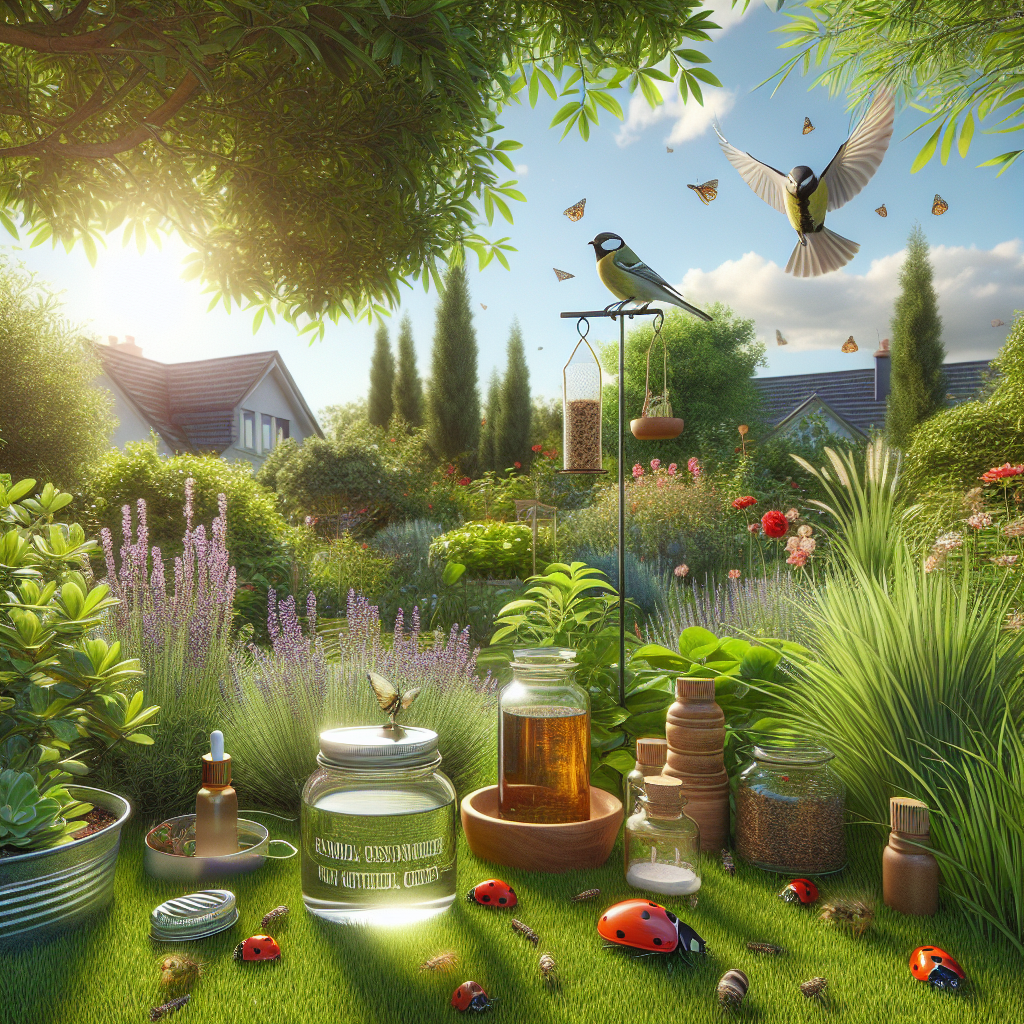
Every garden has its share of visitors, but not all of them are welcome. If you’ve noticed an influx of pests making themselves at home in your yard, you might be wondering how to reclaim your outdoor space naturally. Chemical pesticides can be harmful to the environment and disrupt the delicate balance of the ecosystem. Luckily, there are many natural and eco-friendly methods to manage and eliminate bugs from your yard. This extensive guide will explore these methods in detail, providing you with the knowledge to keep your garden pest-free while respecting nature.
Understanding the Bug Problem
What Types of Bugs Are Found in Yards?
First, it’s essential to recognize the common types of bugs that might invade your yard:
- Aphids: Small, soft-bodied insects that suck sap from plants.
- Spider Mites: Tiny arachnids that can cause significant damage to plants.
- Beetles: Various types, including Japanese beetles and cucumber beetles.
- Fleas: These pests can be particularly annoying, especially if you have pets.
- Ants: Some species protect aphids and can become a nuisance.
- Mosquitoes: They thrive in stagnant water and can spoil outdoor relaxation.
- Ticks: They are potential carriers of diseases and thrive in tall grasses.
Why Should You Consider Natural Solutions?
Natural pest control methods are more sustainable and can promote a healthier ecosystem. They reduce the risk of harming beneficial insects, such as bees and ladybugs, and can add nutrients back into the soil. Moreover, natural solutions can often be less expensive than store-bought chemicals.
Strategies for Natural Pest Control
1. Attract Beneficial Insects
Question: What are beneficial insects, and how can they help?
Beneficial insects, often referred to as “good bugs,” are crucial for maintaining a balanced ecosystem. They can help control the pest population naturally. Some notable examples include:
- Ladybugs: They feed on aphids and other small insects.
- Lacewings: Known for munching on aphids, caterpillars, and thrips.
- Parasitic Wasps: These wasps can help control pest populations by laying eggs within pest insects.
How to Attract Them:
- Plant Diversity: Introduce a variety of flowering plants that bloom at different times. This will create a blooming garden throughout the growing season and attract beneficial insects.
- Herbs: Plant herbs such as dill, fennel, and coriander, which can serve as host plants for these beneficial predators.
- Avoid Chemicals: Pesticides can kill beneficial insects along with harmful ones. Adopting a natural approach ensures that the good bugs thrive.
2. Use Essential Oils
Question: Can essential oils really help in pest control?
Yes! Essential oils are potent natural repellents. Many common oils can deter various pests due to their strong scents.
- Peppermint Oil: Effective against ants, spiders, and mosquitoes.
- Lavender Oil: Known to repel moths, fleas, and mosquitoes.
- Tea Tree Oil: Has insecticidal properties and can deter many critters.
How to Use:
- Mix with Water: Combine a few drops of essential oil with water in a spray bottle. Spray around doorways, patios, and the garden.
- Soak Cotton Balls: Soak a few cotton balls in essential oils and place them in areas where you’ve noticed bug activity.
3. Introduce Natural Deterrents
Question: What natural ingredients can be used as deterrents?
Several common household items can repel bugs effectively:
- Vinegar: A great natural bug repellent. Mix equal parts of water and vinegar and spray it on affected areas.
- Boric Acid: Low in toxicity to humans and pets, boric acid can be sprinkled in areas where ants are prevalent.
- Diatomaceous Earth: A natural powder made from fossilized algae that can kill insects with exoskeletons, like cockroaches and ants. Dust it around the yard where pests are frequent.
4. Natural Predators
Question: Are there specific animals that can help control the bug population?
Yes! Several species can help keep pests at bay:
- Birds: Many birds, such as bluebirds and sparrows, feast on insects. Encourage bird inhabitation through birdhouses and feeders.
- Frogs and Toads: These amphibians consume slugs and insects. Create a small pond to attract them.
- Nematodes: Beneficial nematodes are microscopic worms that act against grubs and other soil pests.
5. Companion Planting
Question: What is companion planting, and how can it help?
Companion planting involves growing specific plants together that can benefit one another, such as repelling pests or attracting beneficial insects.
- Marigolds: Known to deter nematodes and aphids.
- Nasturtiums: These can repel aphids, whiteflies, and squash bugs.
- Basil: Planting basil near tomatoes can keep pests like whiteflies at bay.
6. Maintaining a Clean Yard
Question: How does cleanliness affect pest populations?
A clean yard minimizes hiding spots and potential breeding grounds for pests. Regular maintenance includes:
- Removing Debris: Clear away dead leaves and plants that foster pest habitats.
- Proper Lawn Care: Regularly mow your lawn and prune shrubs to create a less inviting space for pests.
- Water Management: Ensure that there isn’t any standing water, which can attract mosquitoes.
7. Use Traps
Question: What types of traps can be used for natural pest control?
- Sticky Traps: These traps can catch flying insects like aphids and whiteflies.
- Beer Traps: A simple method to trap snails and slugs. Bury a container in the ground and fill it with beer. The slugs will be attracted and fall in.
- Bait Traps: Use natural bait to attract and capture certain pests without chemicals.
8. Homemade Sprays
Question: Are there effective homemade sprays to combat pests?
Yes! Several easy recipes can be created at home:
- Garlic Spray: Blend two garlic cloves with a pint of water, strain, and spray directly on plants.
- Pepper Spray: Combine water with crushed red pepper or cayenne pepper. This will deter pests without harming plants.
- Soap Spray: Mix a few teaspoons of liquid soap with water to suffocate pests like aphids and spider mites.
9. Crop Rotation
Question: How does crop rotation help in natural pest control?
Crop rotation involves changing the type of plants grown in a particular area each season or year. This practice disrupts pest life cycles and can naturally lower pest populations, as many pests are plant-specific.
10. Encourage Soil Health
Question: How does healthy soil impact pest problems?
Healthy soil contains good microorganisms that promote plant health and resilience. Plants grown in nutrient-rich soil can better resist pest attacks. Here are ways to enhance soil health:
- Composting: Add organic matter from kitchen waste, leaves, and yard debris to enrich the soil.
- Mulching: Apply organic mulch around plants to retain moisture and suppress weeds, reducing pest habitats.
- Cover Crops: These can fix nitrogen and help improve soil structure, making plants healthier and less attractive to pests.
Taking Action: A Comprehensive Plan
Assess the Current Situation
Before implementing any pest control methods, conduct a thorough inspection of your yard to identify the types of pests and their numbers.
Choose Your Strategies
Select the methods that best align with your values, yard size, and specific pest problems.
Start Small
Begin with one or two strategies and gradually incorporate additional methods as needed. Monitor the effects meticulously to determine what’s most effective in your situation.
Educate Your Family
Inform your family members about the natural pest control methods you’re using. Engagement will help build awareness and collective responsibility for maintaining the garden.
Conclusion
Successfully ridding your yard of bugs using natural methods is both rewarding and beneficial to the environment. By attracting beneficial insects, introducing natural deterrents, and ensuring your yard is well-maintained, you can create a thriving ecosystem that minimizes pest problems. Natural pest control takes time and patience, but the long-term benefits to your garden, health, and local wildlife make the effort worthwhile.
As you journey through this process, embrace the challenges, celebrate the successes, and continue to build knowledge through experimentation. Happy gardening!