
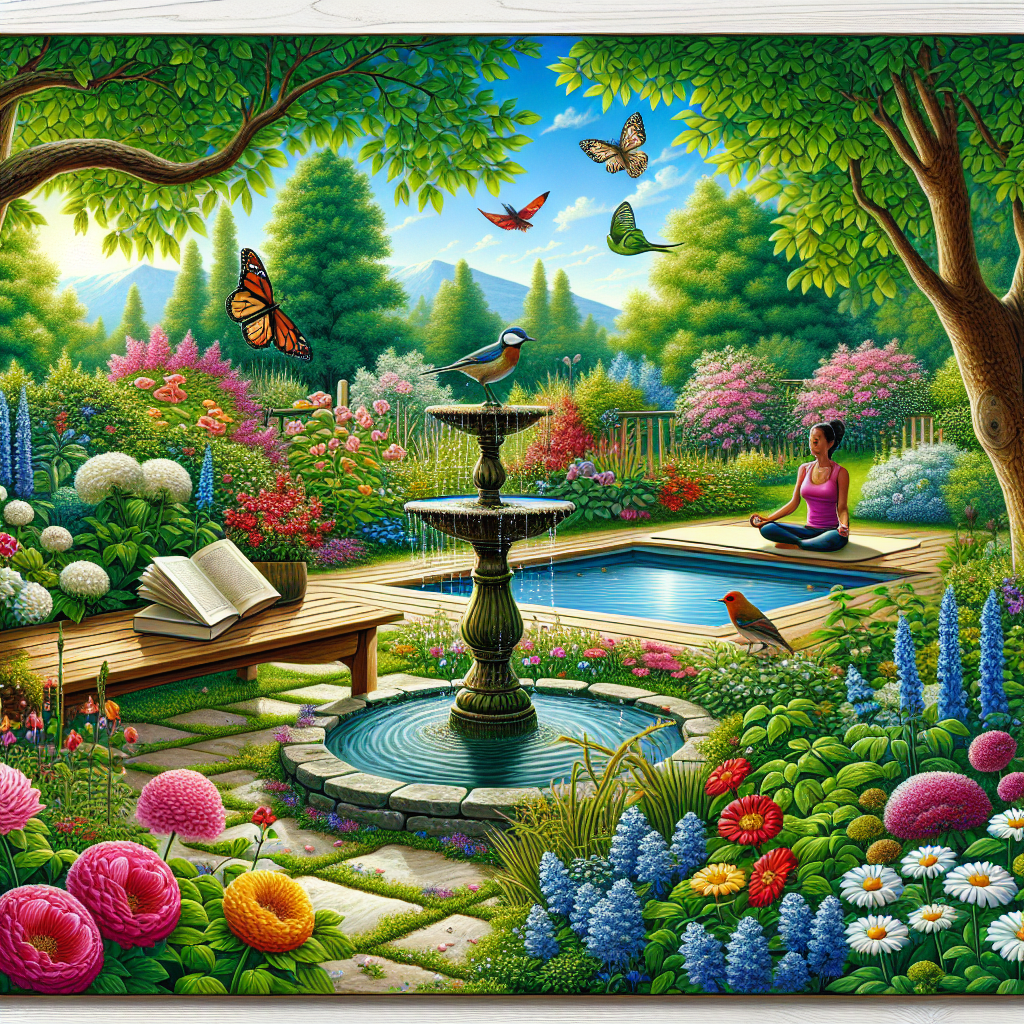
In our fast-paced, technology-driven world, finding time to relax can feel like a daunting task. The good news is that one of the simplest and most effective ways to de-stress is right outside our doors—the garden. Cultivating a space that invites relaxation can transform your mental well-being and bring joy to your daily life. In this comprehensive article, we will explore the various dimensions of easy garden relaxation, share practical tips, answer common questions, and inspire you to create your own serene oasis.
What is Easy Garden Relaxation?
Easy garden relaxation refers to the practice of using your garden space, whether large or small, as a sanctuary for rest and rejuvenation. This can include activities such as reading, meditating, listening to music, or simply soaking in the beauty of your surroundings. A relaxed garden can be a place to unwind after a long day, a space to connect with nature, or even a spot for social gatherings.
Benefits of Garden Relaxation
Before delving into the how-to’s, let’s explore the myriad benefits that come from engaging in relaxation activities within your garden:
-
Stress Reduction: Spending time in nature is known to decrease cortisol levels, the hormone associated with stress. The peaceful environment of a garden can foster a sense of tranquility.
-
Enhanced Creativity: Nature has a way of stimulating our creative minds. Whether you paint, write, or engage in any other creative endeavors, being surrounded by plants and flowers can inspire new ideas.
-
Improved Mental Health: Regularly spending time in your garden can lead to better mood regulation and a decrease in anxiety and depression symptoms.
-
Physical-Aesthetic Joy: The visual beauty of a garden can uplift your spirit, encouraging a positive mindset.
-
Mindfulness: Gardens can foster mindfulness practices, enabling you to be present and fully engage with your environment.
How to Create an Easy Garden Relaxation Space
Creating your own garden haven doesn’t need to be complicated or expensive. Here are some actionable steps that anyone can follow:
1. Assess Your Space
Before you start creating your relaxation oasis, take a good look at your garden. What do you have to work with? Consider the following:
- Size: Is your garden spacious or limited to a small balcony?
- Sunlight: How much light does it receive? Is it mostly shaded or sunny?
- Materials: Do you have existing furniture or structures like fences or paths?
2. Choose a Relaxation Zone
Identify a specific area in your garden that can be transformed into your relaxation space. This could be:
- A Corner Bench: A simple garden bench can create a designated seating area.
- A Hammock: Perfect for a cozy nook beneath tree canopies.
- A Patio Set: For those who want to sip coffee while soaking in the ambiance.
3. Incorporate Comfortable Seating
Comfort is key to relaxation. Consider the following seating options:
-
Chairs & Loungers: Invest in cushioned seating that offers comfort for extended periods.
-
Floor Cushions: These can be easily moved and stored while providing a pop of color.
-
Swing Chairs: These add an element of fun and relaxation, perfect for letting your worries float away.
4. Design with Nature in Mind
Integrate elements of nature into your relaxation zone:
-
Plants and Flowers: Choose fragrant or visually pleasing plants to create an inviting atmosphere. Lavender, jasmine, and basil can invigorate the senses while providing serene beauty.
-
Water Features: Consider adding a small fountain or pond. The soothing sound of water can significantly elevate the peaceful ambiance of your garden.
-
Lighting: Add soft, ambient lighting with lanterns, fairy lights, or solar garden lights to extend your relaxing time into the evening.
5. Incorporate Sounds of Nature
Sound plays a vital role in relaxation. Here are a few suggestions:
-
Nature Sounds: Let the sounds of rustling leaves, chirping birds, or buzzing bees become your soundtrack.
-
Wind Chimes: Adding wind chimes can bring a gentle melody that enhances the tranquility of your garden.
-
Music: Create a playlist that you can easily enjoy through a portable speaker.
6. Create a Cozy Atmosphere
The right atmosphere can enhance your garden’s relaxation potential:
-
Textiles: Use blankets and throw pillows to create a cozy seating area.
-
Shade Solutions: Consider using parasols, canopies, or even tall plants to create a shaded nook.
7. Personalize Your Space
Your garden should reflect your taste and interests. Here are some ways to personalize your sanctuary:
-
Decorative Items: Add your favorite sculptures, stones, or pots that resonate with you.
-
Artwork: Hang wall art around the garden area that promotes a peaceful atmosphere.
-
Candles: Scented candles can provide calming aromas, while unlit ones add to the decor.
Engaging Activities for Garden Relaxation
Once your garden is set up for relaxation, the next step is to use it! Below are some activities you can enjoy:
-
Reading: Create a mini-library in your garden where you can store your favorite books. A comfortable chair, some shade, and the sound of nature can make reading an absolute delight.
-
Meditation or Yoga: Use your garden as a serene space for mindfulness practices. The fresh air combined with natural beauty can help ground and center you.
-
Gardening: Ironically, gardening can be a form of relaxation. Tending to plants and flowers allows you to disconnect from daily stresses and connect with nature.
-
Creative Arts: Whether it’s painting, photography, or writing, being in a beautiful environment can boost your creativity.
-
Social Gathering: Invite friends or family over to enjoy the space together. Picnics, outdoor games, or simply sharing a meal in the garden can create cherished memories.
FAQ: Common Questions About Easy Garden Relaxation
Let’s address some common questions that may arise when creating and utilizing a relaxing garden space.
1. Do I need a large garden to relax in it?
Absolutely not! Even small balconies or terraces can be transformed into relaxing spaces. Vertical gardens, hanging plants, and creative seating solutions can help maximize your area.
2. What plants should I choose for a relaxing garden?
Consider choosing plants with soothing scents and calming colors. Lavender, chamomile, succulents, and jade plants are great options. Additionally, include plants that attract birds or butterflies to create a lively atmosphere.
3. How can I maintain the tranquility of my garden space?
Regular maintenance is key. Spend time tidying up, watering, and deadheading plants. Keeping the area clutter-free will help maintain its serene vibe.
4. What if I don’t have a green thumb?
You don’t need to be a master gardener! Start with low-maintenance plants or even artificial ones. The goal is to create an inviting space, not necessarily to cultivate an extensive garden.
5. How can I enhance my garden for nighttime relaxation?
Incorporate ambient lighting, such as solar path lights or lanterns. Consider using fragrant plants like jasmine that bloom at night to entice your senses.
Conclusion: Your Garden, Your Sanctuary
Creating an easy garden relaxation space is not just a hobby; it’s a way to cultivate wellness and joy in your life. Whether you are transforming a sprawling backyard or a tiny balcony, the principles of relaxation remain the same. By focusing on comfort, beauty, and personalization, you can create a sanctuary that provides solace, inspires creativity, and nurtures connection—both with yourself and the natural world.
So, get started today. Spend some time in your garden, engage with the soil, listen to the rustling leaves, and allow yourself the luxury of relaxation. Your mental well-being deserves it, and so do you. Embrace the art of garden relaxation, and you’ll find a peaceful haven that enriches your life in ways you have yet to discover.