
Introduction
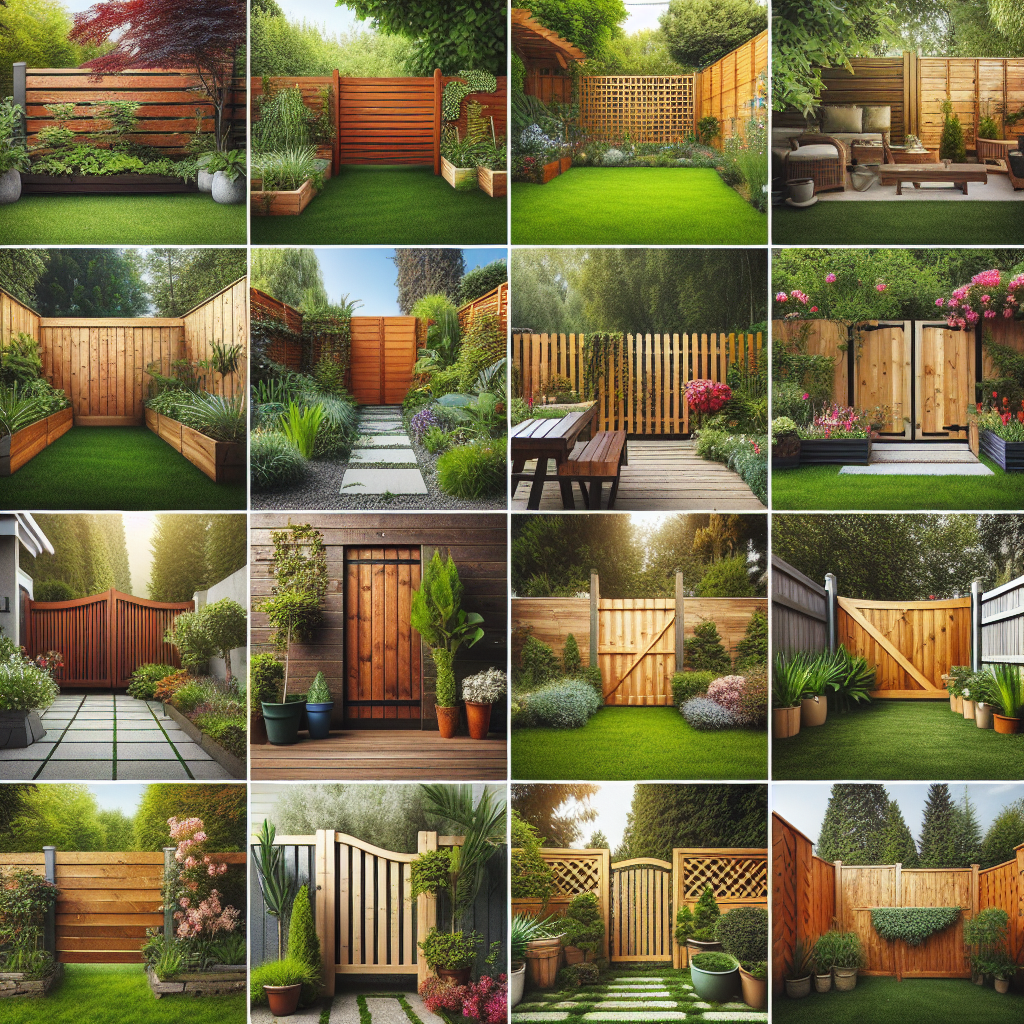
A wooden garden fence is more than just a boundary; it’s a canvas for creativity, a source of privacy, and a functional addition that complements your landscape. Whether you seek to define your property, create a sanctuary for your plants, or simply enhance the aesthetic of your yard, a wooden fence offers versatility and charm that other materials might lack. In this article, we delve deep into various wooden garden fence ideas, exploring their benefits, creative styles, maintenance tips, and the best practices to make the most of your outdoor space.
Why Choose a Wooden Garden Fence?
Before diving into various wooden garden fence ideas, it’s essential to understand why wood is a preferred material among homeowners. Here are some compelling reasons:
-
Aesthetic Appeal: Wood brings a natural warmth and charm that can soften the harsh lines of a garden. It can seamlessly blend with plants and flowers.
-
Versatility: It can be cut, painted, or stained to suit your design aesthetics or blend with the overall ambiance of your garden.
-
Sustainability: As a renewable resource, wood is eco-friendly when sourced sustainably.
-
Cost-Effectiveness: Compared to materials like stone or brick, wooden fences are often more budget-friendly.
-
Ease of Installation: Many wooden fences can be installed without professional help, making it a DIY option for enthusiastic homeowners.
Common Questions About Wooden Garden Fences
1. What types of wood are best for fencing?
When selecting wood for your garden fence, consider the following types:
-
Cedar: Naturally resistant to decay, cedar is an excellent choice for outdoor use. Its pleasant aroma and ability to repel insects make it a popular option.
-
Redwood: Similar to cedar, redwood is durable and resistant to rot. Its rich color can add a luxurious feel to your garden.
-
Pine: A cost-effective option, treated pine is widely used for fencing. Though less durable than cedar or redwood, it can be preserved with treatments.
-
Spruce: Spruce offers a good compromise between cost and appearance. However, it may require more maintenance to keep it looking its best.
2. How tall should my wooden garden fence be?
The height of your fence depends on its purpose:
-
Privacy Fence: Typically, these range from 6 to 8 feet tall.
-
Decorative Fence: 3 to 4 feet is standard for decorative purposes, allowing for visibility while still defining boundaries.
-
Garden Protection: If you’re shielding plants from animals like deer, a fence should be at least 6 feet.
3. What is the maintenance required for wooden fences?
Regular maintenance is key to prolonging the life of your wooden fence:
-
Cleaning: Wash your fence periodically using a gentle soap solution to remove dirt and debris.
-
Sealing and Staining: Apply a quality sealant or stain every couple of years to protect against water damage and UV rays.
-
Inspection: Regularly check for signs of rot or insect damage and address issues promptly.
Creative Wooden Garden Fence Ideas
Now that we understand the essentials about wooden garden fences let’s explore some creative ideas that can make your garden stand out.
1. The Lattice-Finished Fence
Description: Combining a traditional picket fence with a lattice top can create a stylish and modern look. The lattice offers both support for climbing plants and a whimsical aesthetic.
How to Implement: Build a simple picket fence and add a lattice panel atop. You can even train vines like clematis or morning glories to grow through the lattice, creating beautiful greenery.
Benefits: The lattice adds height and reduces visibility while allowing some light through. It also creates an inviting space for little critters and insects, promoting biodiversity.
2. Vertical Slat Fence with Artistic Elements
Description: A vertical slat fence can be customized with artistic elements, such as carved panels or integrated shelves for potted plants or decorations.
How to Implement: Construct a classic vertical slatted fence and incorporate wooden panels with cut-out designs. For instance, add geometric shapes or nature-inspired motifs, which can be painted or left in a natural finish.
Benefits: This will not only serve as a privacy structure but also as an expressive piece of art, enhancing your garden’s aesthetic value.
3. Rustic Split Rail Fence
Description: A split rail fence evokes a sense of rustic charm, ideal for gardens that lean towards a cottage or farmhouse aesthetic.
How to Implement: Use untreated logs or timber, splitting them in half to create rails and posts. This style leaves gaps in the construction, allowing animals and sunlight to coexist harmoniously.
Benefits: It is easy to build and install and closely mimics the natural beauty of surrounding landscapes. It also provides charm without completely isolating the area.
4. Horizontal Board Fence
Description: For a modern twist, consider a horizontal board fence. This design is sleek, contemporary, and adds sophistication to any garden.
How to Implement: Use wide boards installed horizontally. For additional appeal, alternate board widths or leave spaces between the boards for an airy feel.
Benefits: This style enhances privacy while offering a chic look for modern homes, and it creates a clean, sophisticated boundary.
5. Arched Top Garden Fence
Description: An arched-top fence can add elegance and soften the structure’s overall appearance.
How to Implement: Construct a standard fence and then create an arch at the top. This requires precision and craftsmanship but can be a worthwhile project.
Benefits: The arch adds a distinctive touch, making the garden feel more luxurious. You can dress it with climbing plants or lights to give it a welcoming atmosphere at night.
6. Painted Picket Fence
Description: A classic picket fence painted in vibrant colors can add a playful, charming element to your garden.
How to Implement: Choose your favorite colors to create a whimsical atmosphere. Pastels like mint green or lavender can give a vintage feel, while bold colors like red or blue will add a contemporary twist.
Benefits: This is an easy way to change the garden’s appeal without great costs, and you can refresh it with new colors or patterns easily.
7. Planter Box Integrated Fence
Description: By integrating planter boxes into your wooden fence, you can introduce vibrant flowers or greenery into your space.
How to Implement: Design your fence with vertical or horizontal slots to accommodate pots or built-in planters. Ensure drainage for plants to thrive.
Benefits: This adds an eye-catching aspect to your fence and maximizes the use of small spaces, making it ideal for urban gardens.
8. Privacy Fence with Wooden Screens
Description: Combining wooden panels arranged geometrically can form an attractive and functional privacy screen.
How to Implement: Use wooden slats or panels, positioned to create artistic patterns while allowing light and air to pass through.
Benefits: This style offers the best of both worlds—privacy without feeling closed off. Additionally, it looks visually appealing and can be a conversation starter.
9. Whimsical Fairy Tale Fence
Description: Inspired by fairy tales, this design incorporates rounded, whimsical shapes and heights to create an enchanting atmosphere.
How to Implement: Build a simple wooden fence and use a router to carve decorative shapes into the tops of the posts. Add fairy lights or little decorations for an enchanting effect.
Benefits: This whimsical touch offers a delightful way to invite children and adults alike to enjoy garden magic while being functional.
10. Wood and Wire Fence Combination
Description: Combining wooden posts with wire mesh allows for a modern twist while still maintaining visibility through the fence.
How to Implement: Set wooden posts and attach wire fencing between them. This can be a mix of horizontal wooden paddles combined with a lattice wire design.
Benefits: This is perfect for gardens that want to maintain a sense of openness while still ensuring security and structure.
Choosing the Right Design Based on Your Goals
1. For Privacy
If your primary goal is privacy, consider taller wooden fences with solid panels or horizontal designs that block the view. Options like a solid board fence or an arched-top design can effectively create a secluded atmosphere.
2. For Aesthetic Appeal
For those focused on aesthetics, options like painted picket fences, lattice panels, and artistic horizontal designs can enhance the visual charm of your garden. Opt for finishes that complement your home’s architecture.
3. For Animal Protection
If you want to protect your plants from animals, a tall split rail fence or a vertical board design may work best. Ensure that the materials used are durable and secured at the base to prevent any animals from digging underneath.
Eco-Friendly Considerations
When constructing a wooden garden fence, consider sustainable practices. Use wood sourced from responsibly managed forests, and apply eco-friendly finishes and stains. Additionally, opting for untreated wood for lower impact and using recycled materials can enhance sustainability.
Maintenance Tips for Longevity
-
Regular Staining: Every few years, apply a good stain or sealant to prevent water damage and UV degradation.
-
Annual Checks: Inspect for damage, rot, or insect issues annually. Maintain the structure of the fence by fixing loose boards or nails.
-
Trimming Vegetation: Keep plants and bushes trimmed back from the fence to prevent moisture accumulation and damage to wooden materials.
Conclusion
A wooden garden fence can be a beautiful, functional addition to your home, transforming your outdoor space into a personal oasis. With various styles, designs, and maintenance tips available, there’s no shortage of inspiration to create the perfect fence for your garden. From whimsical fairy tale fences to sturdy and modern horizontal board designs, wooden fences offer something for everyone. By investing in a well-crafted, visually appealing wooden fence, you can enhance your garden’s beauty, privacy, and value for years to come.
Whether you choose to embrace DIY projects or hire professionals, the journey of crafting your wooden garden fence can be rewarding and enriching. So why wait? Start envisioning, planning, and creating your dream garden fence today!